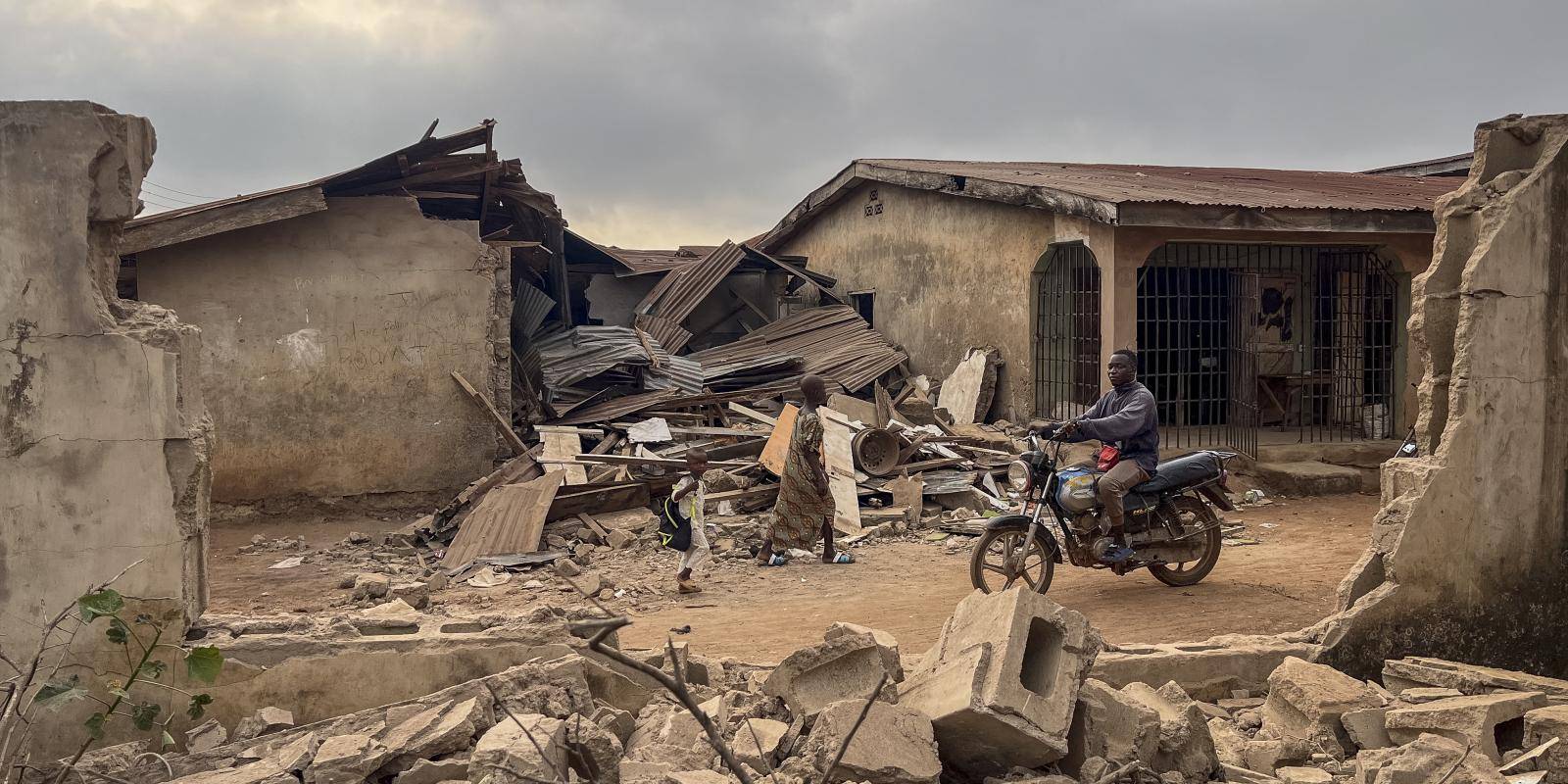

On Christmas Day 2025, President Donald Trump triumphantly announced that he had followed through on an earlier threat to bomb Nigeria, a country where he says Islamists have committed ‘mass slaughter’ of Christians.
Nigeria has been suffering from a long-standing security crisis in its northern regions, where armed groups including the Islamic State in the Sahel, a regional terrorist group, are operating. However, the Nigerian government has disputed Trump’s claim that Christians have been specifically persecuted and said that ‘terrorists attack all who reject their murderous ideology - Muslims, Christians and those of no faith alike’. Trump has indeed presented an overly simplistic view of Nigeria’s complex security situation, ignoring how insecurity is fuelled by other factors including resource disputes, misgovernance, policing failures and interethnic tensions.
The US attack was also more symbolic than strategic. Using intelligence provided by Nigeria, the US fired cruise missiles at multiple sites in northern Nigeria. But expert analysis informed by field research casts doubt on Washington’s claim to have targeted and hit ‘ISIS terrorist scum’.
Instead, the strike appears to have targeted the Lakurawa group – a small band of Islamist militants primarily focused on intimidating and shaking down locals in remote parts of northwestern Nigeria. US officials have not provided details on how many Lakurawa militants were killed or whether the missiles even hit their intended target.
Usually fiercely protective of their national sovereignty, Nigerian leaders showed great agency and strategic savvy in shaping Trump’s actions. By leaning into his unwelcome focus on Nigeria and helping to select his targets, they influenced the scope, scale and domestic consequences of his unprecedented actions. Moreover, President Bola Ahmed Tinubu – a Muslim – deftly used them to secure more military aid, intelligence support and political capital in Washington, instead of allowing himself to be cast as a villain in Christian nationalist narratives about Nigeria.
Securely insecure
Far from being an outlier, this episode reflects the recurring practice of Nigerian elites leveraging insecurity and humanitarian crises for political and financial gain. Fuelled by decades of misgovernance, unyielding socioeconomic pressures and endemic security sector corruption, Nigeria’s security challenges render Nigerians more vulnerable to coercion and co-optation by the country’s ruling class. Over the last two decades or so, insecurity has considerably weakened alternative power centres, such as opposition parties, civil society groups, traditional leaders, universities, labour unions, trade associations and independent media outlets.
Persistent insecurity has also enriched elites and their expansive patronage networks by justifying ever-larger amounts of opaque military spending. In addition, federal and state leaders still make widespread use of ‘security votes’ – notorious slush funds that date back to the era of military rule. Between 2023 and 2025, Nigeria’s 36 states reportedly steered as much as N525.5 billion (about $1.17 billion in 2023 dollars) into these budgetary black boxes. Ostensibly meant to pay for miscellaneous security measures, state leaders often channel these funds into political activities or embezzle them outright.
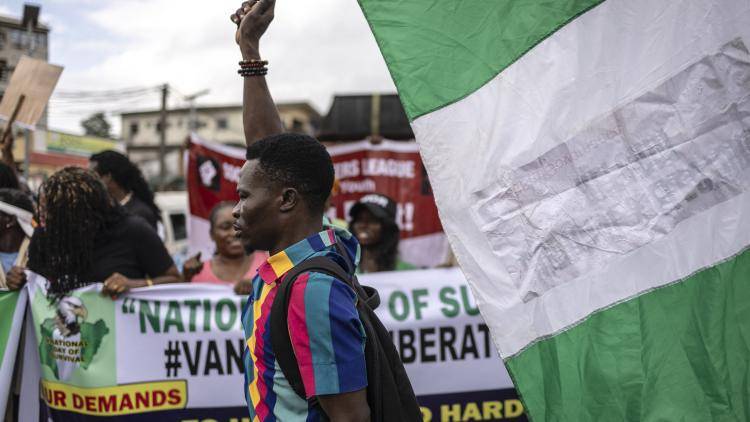
This political and financial commoditization of insecurity is evident in Abuja’s decision to not pick a fight with Trump over his simplistic characterization of their country’s security challenges. In doing so, the Nigerian government defused a potential international crisis and nudged the bilateral relationship back into a pattern established back in 2014. That year, 276 schoolgirls were kidnapped in northeastern Nigeria, sparking the #BringBackOurGirls campaign. Washington subsequently deprioritized longstanding concerns over democracy, governance, human rights and civilian protection, and ramped up counterterrorism assistance and arms transfers to Nigeria’s military.
Managing Trump?
Trump’s Nigeria gambit is an example of how leaders in countries across Africa and beyond can placate him or even take advantage of his foreign policy. In three short months since Trump refused to rule out troops on the ground in Nigeria, the country’s leaders have flipped the script and are now forging closer ties with Washington.
As Tinubu spokesman Daniel Bwala explained in an interview following Trump’s initial threat to bomb Nigeria, Abuja’s steps to shape his actions were deliberate. Bwala said the Nigerian government received Trump’s threats ‘in good faith’ and interpreted them as requiring a meeting with the US on what Nigeria needs. He said they had worked around Trump’s ‘psychology’ and targeted messages to his base to counter the narrative that Christians were being specifically persecuted in Nigeria.
To this end, the Nigerian government has taken steps to increase its influence in Washington by reportedly signing a $9 million contract with a US lobbying firm. In January, it also hosted a high-level US delegation in Abuja that announced the Trump administration will increase intelligence sharing with Nigeria and deliver additional materiel to its military. While helpful, this assistance will not fix the fundamental deficiencies – such as corruption, mismanagement and chronic underinvestment – that continue to hobble its security sector.