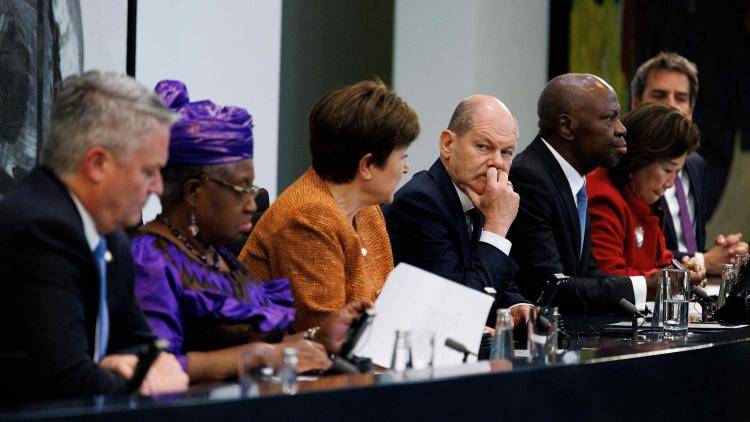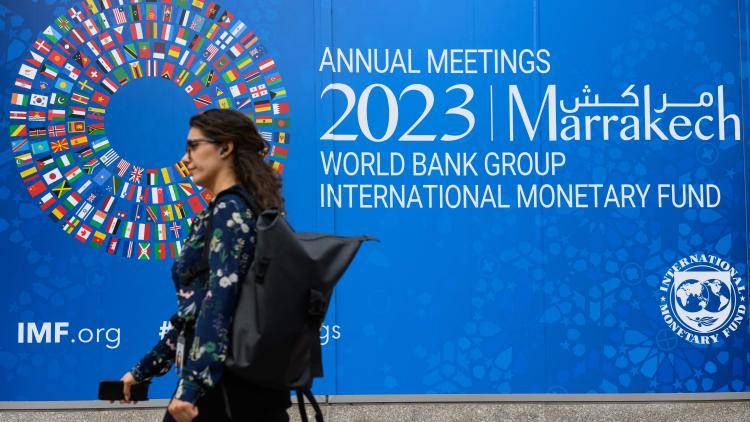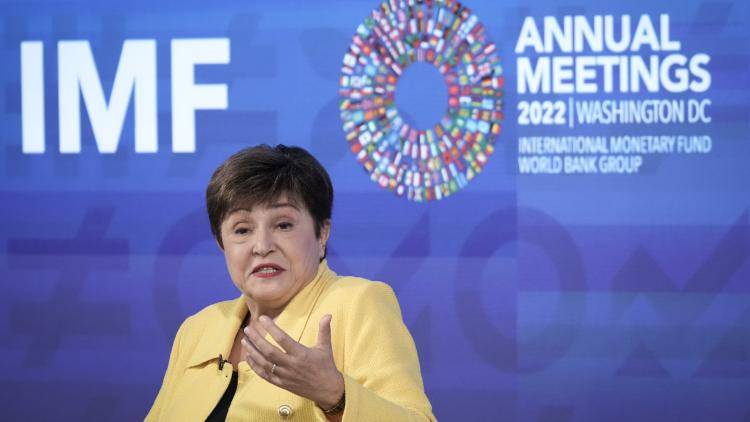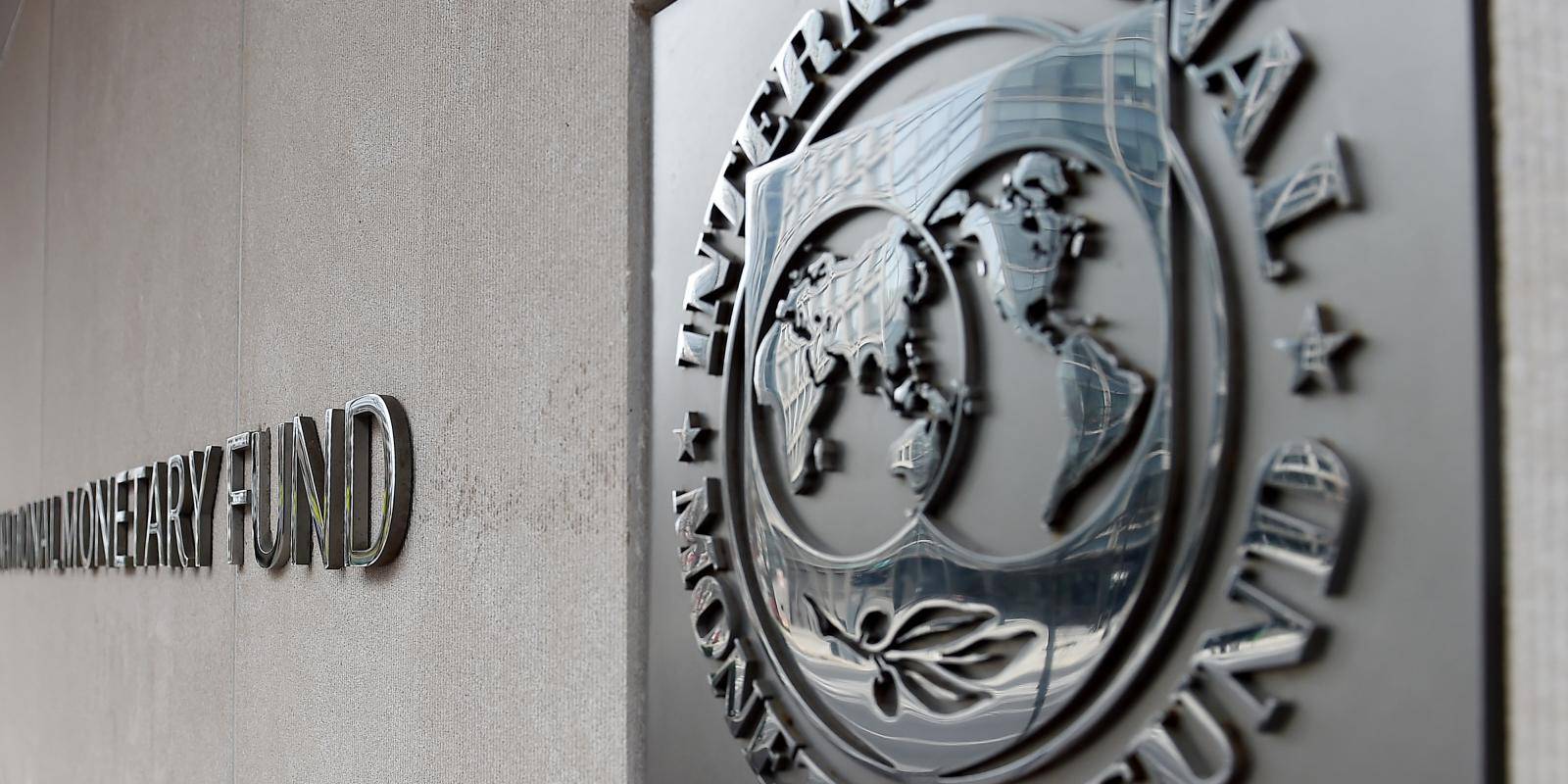
The International Monetary Fund (IMF) is an organization of 190 countries, with the stated aims of working to foster global monetary cooperation, secure financial stability, facilitate international trade, promote high employment and sustainable economic growth, and reduce poverty around the world.
But the IMF has been criticized in recent years, esepcially around conditions imposed on its loans, its lack of accountability, and a willingness to lend to countries with controversial human rights records. Many also believe the IMF imposes policy despite little consultation with the countries affected by it, especially developing countries which are the most dependent on its loans.
Chatham House experts analyse the work of the IMF, covering topics such as exchange rate reforms, monetarist approaches, free market reforms, interventionism, and privatisation.