
Are Ukraine’s Anti-corruption Reforms Working?

Research paper

Published 19 November 2018

Updated 26 April 2021

ISBN: 978 1 78413 295 8
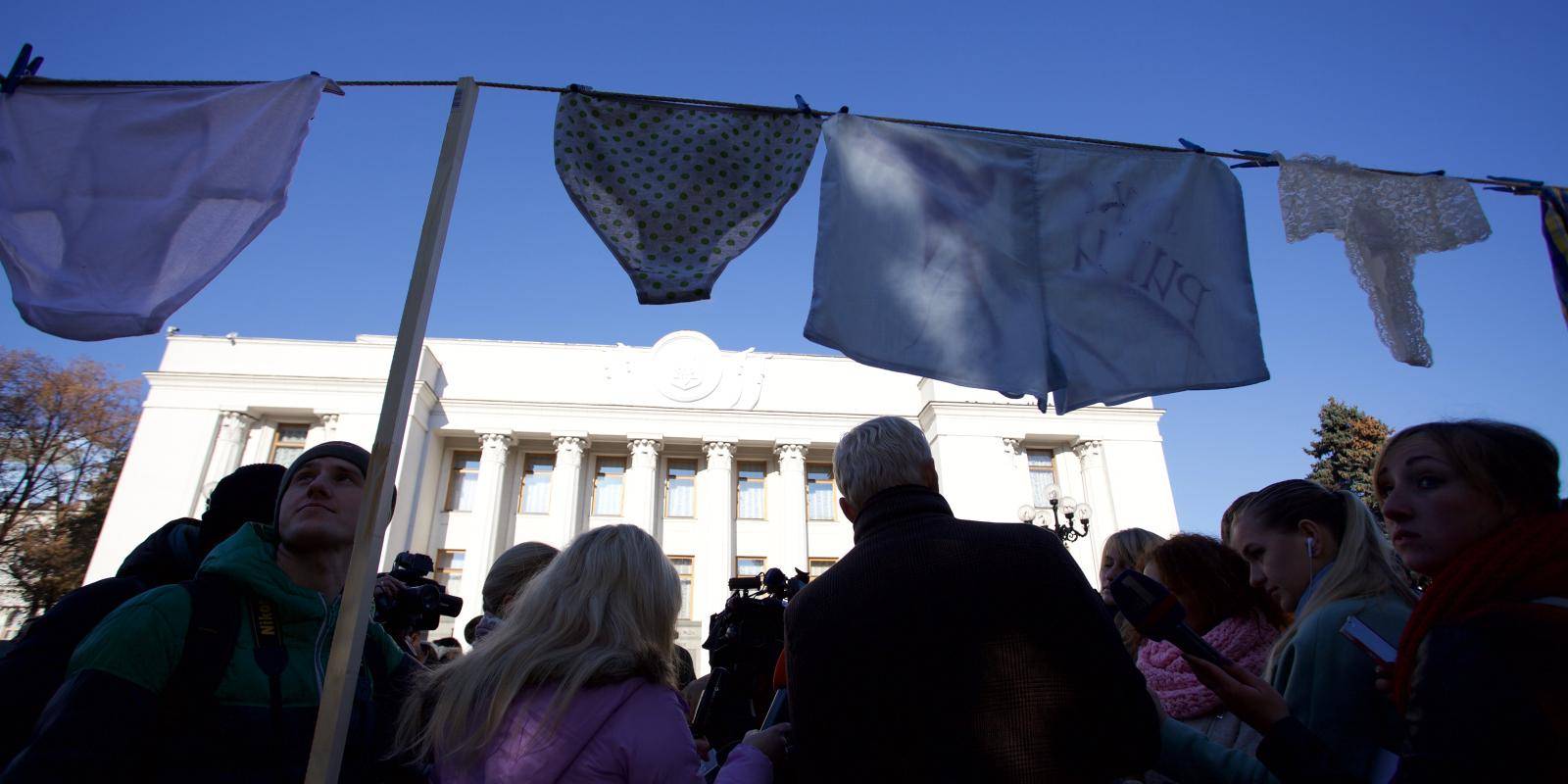
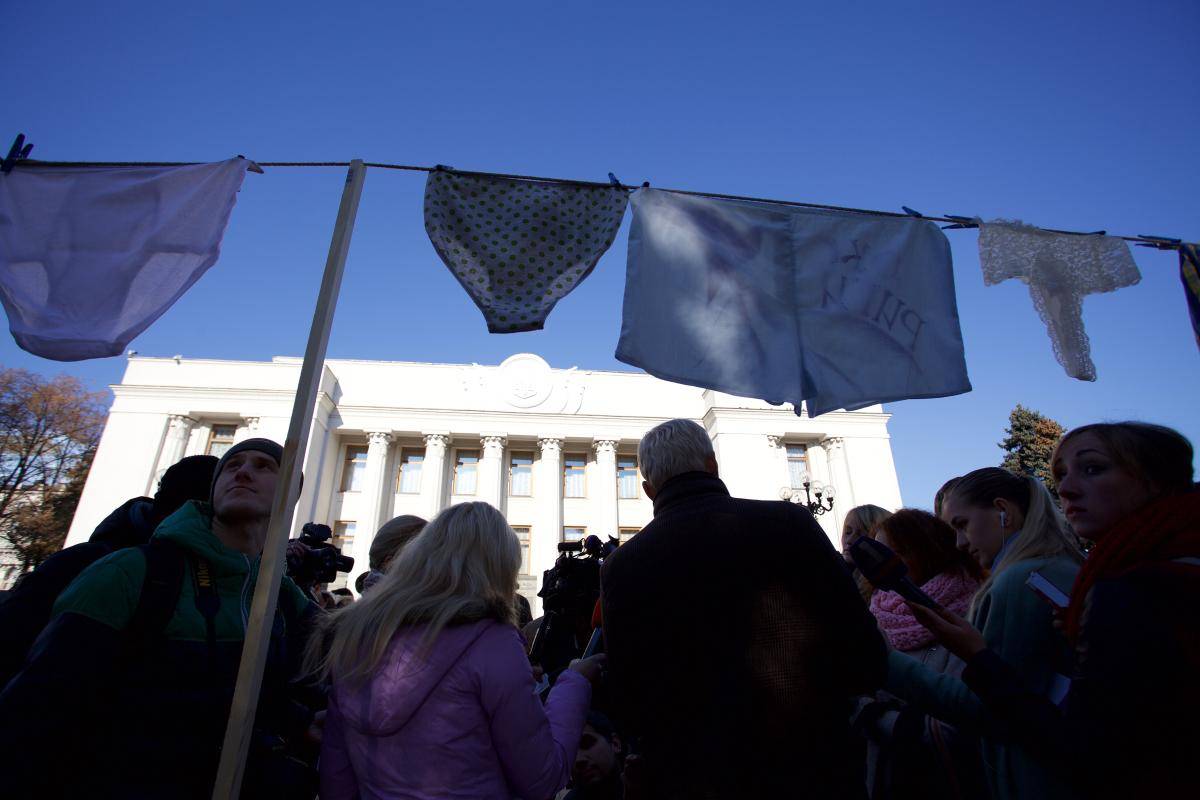
Anti-corruption activists in Kyiv in October 2016 play on the word trusi, which in Ukrainian means both ’underwear’ and ‘cowards’, in a demonstration against senior public officials who refuse to disclose their financial assets. Photo: Copyright © Christopher Miller (RFE/RL)
— Anti-corruption activists in Kyiv in October 2016 play on the word trusi, which in Ukrainian means both ’underwear’ and ‘cowards’, in a demonstration against senior public officials who refuse to disclose their financial assets. Photo: Copyright © Christopher Miller (RFE/RL)

Vladimir Dubrovskiy

Senior Economist, CASE Ukraine

Ukraine’s vicious circle of corruption begins with the power groups that have created and sustained a system in which citizens believe that it is impossible to live without corruption. The process of cleaning up institutions must start at the top.