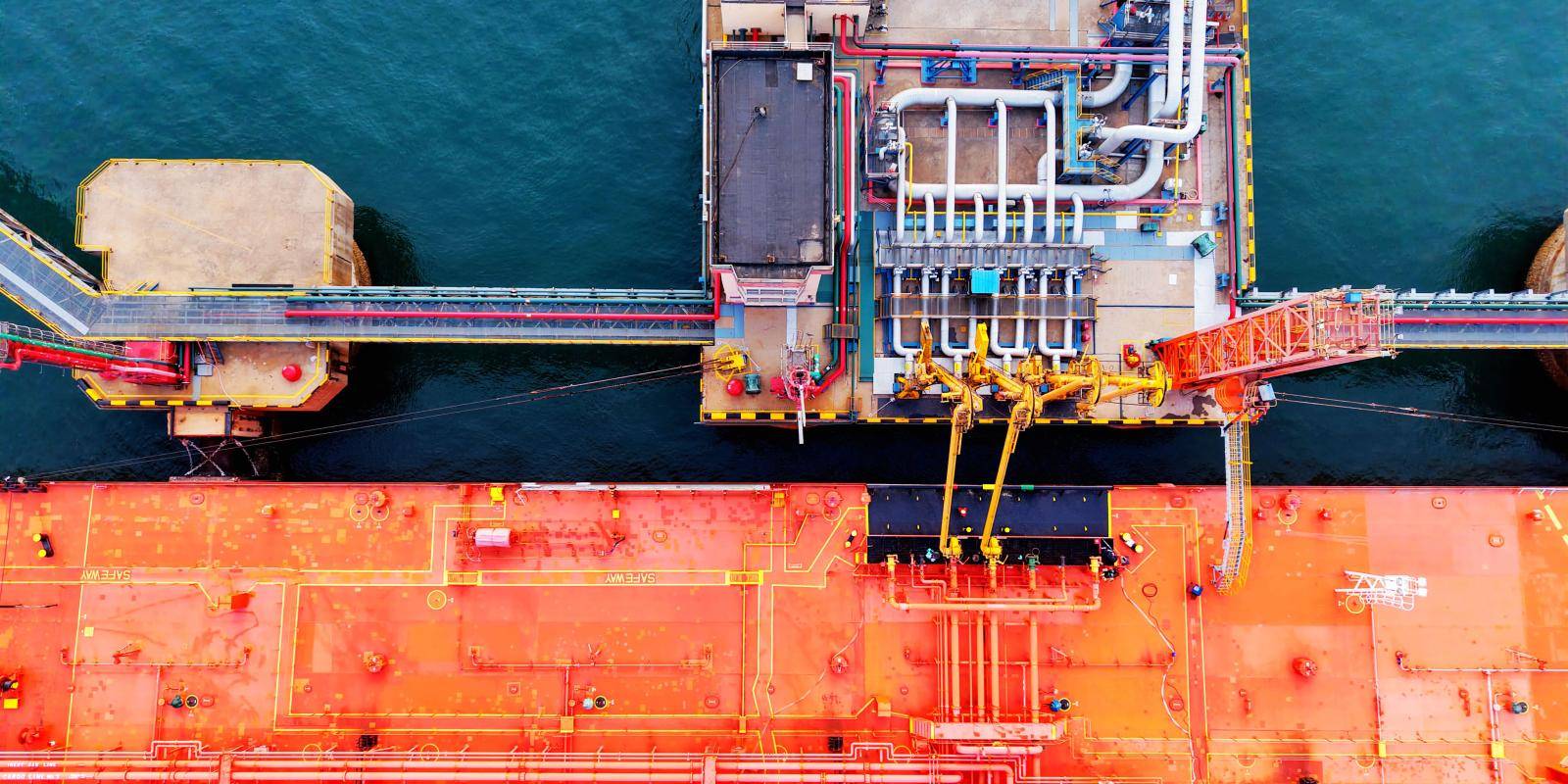
The primary mechanism for enforcing the oil-price cap is through insurance. A tanker is a high-risk vessel that needs to be insured against accidents, including those that cause environmental damage. This is especially true in respect to old and potentially less reliable tankers. Only a few companies worldwide have the financial capacity to insure against risks of such magnitude. The fact that almost all of them are in coalition countries’ jurisdictions ought to make enforcement possible.
However, in practice, enforcement often remains ineffective. First of all, there are suspected issues with enforcement of the sanctions even among the coalition countries, on both the insurance and, probably, transportation sides.
Maritime regulations contain no formal restrictions on the use of insurance certificates issued by less-than-reputable companies. An oil tanker can sail under a ‘paper’ insurance certificate not backed by genuine and responsible guarantees issued by a reinsurance company that has enough liquid assets and is under strict prudential control. Russia already exploits this loophole, deploying a ‘shadow fleet’ of mostly old tankers sailing under other countries’ flags. By registering ships in countries with less stringent regulations and opaque ownership rules, Russia can use these ‘flags of convenience’ to hide the true ownership of the vessels and the origin of the oil. It is estimated that these ships transport up to 85–90 per cent of Russia’s oil exports.
Transfer pricing is another circumvention strategy used by Russia. The price a buyer pays consists of the shipment’s price at the point of departure (known as the ‘free on board’, or FOB, price), plus the freight and insurance costs that together make up the so-called ‘cost, insurance and freight’ (CIF) price. The freight and insurance costs can be artificially inflated so that the price cap – which is currently set at the FOB price – is formally respected without materially reducing the overall revenue the seller receives from the transaction. The difference between the capped (i.e. FOB) price and the true end-price is then hidden in freight and/or insurance fees that flow to offshore companies controlled by a Russian business that is, in turn, informally affiliated with the state and its ‘vertical of power’ through the patronal networks.
Furthermore, the buyer can be a Russian-owned or Russia-linked foreign intermediary (such as Nayara Energy Limited, a company based in India and which is subject to EU sanctions as the operator of a refinery that is co-owned by Rosneft) that resells the crude oil at market prices or processes it and resells it as oil products. Russia is also known to use, for example, Hong Kong-based firms affiliated with Russian business.
When these sorts of intermediaries are used, the oil rent does not go straight to Russia’s federal budget, as the official price paid to the Russian seller remains under the cap. Instead, the extra fees are channelled into unofficial, extra-budgetary funds, which can be redistributed among members of the elites or allocated for purposes such as buying embargoed components, donating to the political campaigns of Putin-friendly politicians in other countries, or financing other covert Russian operations. Individual targeted sanctions against particular buyers could therefore be effective in case of well-established companies like Nayara, but not against other, more opaque middleman firms that are easy to create and shut down.
In addition, the price of transported oil may be formally below the cap but actually above it, as the true price is often misreported. This is quite easy to do when the buyer and the seller are affiliated, or at least trust each other and are willing to collude on circumvention.
‘Sealing’ the oil-price cap to prevent such circumvention schemes from working is challenging, but not impossible. The Working Group on Russian Sanctions has recommended setting up a blacklist of ‘shadow fleet’ tankers and closing the Baltic straits to potentially dangerous and improperly insured vessels. The proposed measure would not only address sanctions evasion, but would also reduce the risks of oil spills. Given that about 60 per cent of Russia’s oil and petroleum products exports have to pass through the Baltic straits to reach their markets, the closure of navigation to ‘shadow fleet’ vessels should enable enforcement of the cap to start to become self-sustaining, although it may not necessarily eliminate transfer pricing. Some related measures – such as identifying vessels by their unique code numbers rather than just by their names and owners, which can often change – were implemented in the Biden administration’s final sanctions package in January 2025.