

On 7 December, troops led by a special forces commander attempted to take power in Benin. The thwarted coup came less than two weeks after soldiers had seized power in the fellow West African country of Guinea-Bissau following its presidential election.
Loyalist forces quickly recovered full control in Benin, with air support and troops from fellow member states of the Economic Community of West African States (ECOWAS) deployed to consolidate government authority.
Meanwhile in Guinea-Bissau, which has historically suffered from chronic instability, ECOWAS is engaged in delicate negotiations to navigate a way out of the latest upheaval while the country has been suspended from the bloc’s decision-making bodies.
ECOWAS has plenty of experience using diplomacy and political compromise to deal with awkward but contained national crises such as the coup in Guinea-Bissau. Benin’s case was more surprising, as the country had not seen a coup attempt in fifty years.
But both events are placing additional demands on ECOWAS as West Africa continues to confront a far larger crisis: the seemingly relentless spread of violence across the Sahel and into the northern reaches of coastal states.
For more than a decade, the central Sahelian states – Burkina Faso, Mali and Niger – have been enveloped by a security crisis, with jihadist attacks on government forces and civilians overlapping with criminal trafficking and inter-communal tensions over land and other key natural resources.
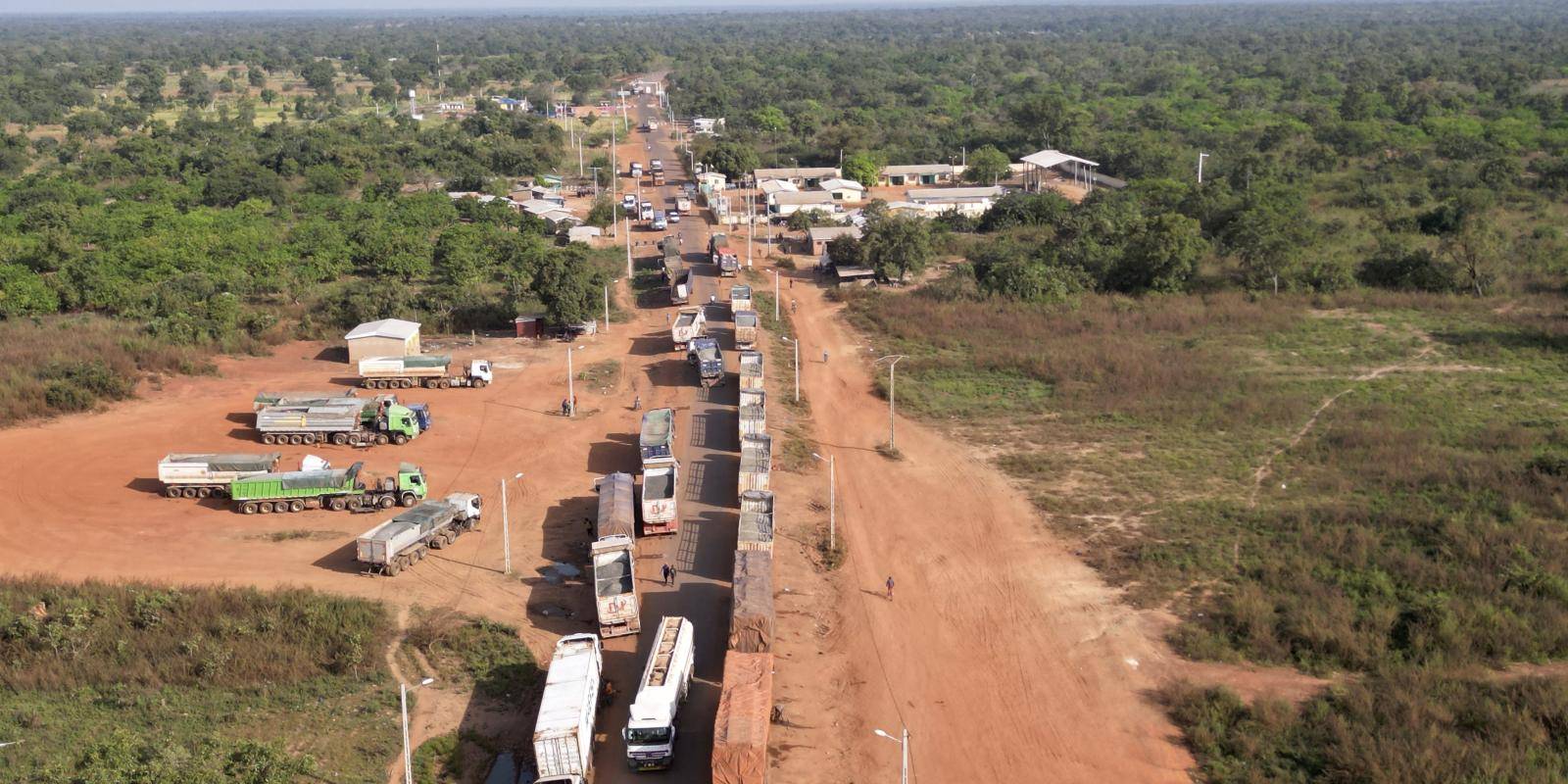
The crisis reached new depths in early September, when the jihadist fighters of Jama’at Nusrat ul-Islam wal-Muslimin (JNIM) imposed a blockade on key fuel supply routes to Bamako, the capital of Mali. Through repeated attacks on vehicles supplying fuel to the landlocked country, the militants have come close to suffocating the Malian economy and destabilized its southern and western regions that were previously relatively unscathed.
It is unlikely that the militants have the ambition or the capacity to attempt a takeover of Bamako or the Malian state. But the destabilizing pressure remains; despite attacks on fuel convoys briefly receding at the end of November, they resumed on 6 December with at least 15 trucks burnt in southern Mali.
Expanding insecurity
In recent years, the crisis in the central Sahel has increasingly spilled over into northern Benin, Togo and Nigeria.
Togo and Benin have suffered repeated direct jihadist attacks. In Nigeria, the long-running threat from Boko Haram and Islamic State – West Africa Province (ISWAP) in the north-east has now been compounded by an upsurge in violent banditry and militant activity in the north-west, with particularly difficult conditions in Zamfara state.
In Benin, the coup plotters justified their attempted takeover by citing the deteriorating security situation and the deaths of soldiers in recent attacks. This shows how these factors can fuel grievances among sectors of the military, even in a stable nation where the main drivers of political dispute and popular complaint have been constitutional and electoral wrangles and the role of vested economic interests.
ECOWAS mediation and military intervention may be able to defuse the crises in Benin and Guinea-Bissau in the short term. However, containing the multiple impacts of the security crisis in the Sahel represents a much greater and, indeed, existential challenge for the region.
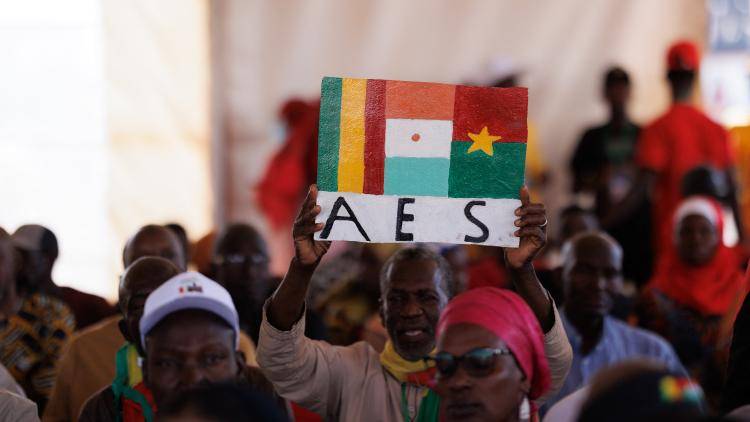
This challenge is made more difficult due to the wave of military coups that overturned elected civilian governments in Mali, Burkina Faso and Niger between 2020 and 2023. The military juntas in the three countries have since had strained relations with many of the coastal ECOWAS nations. In January 2025, the three countries withdrew from ECOWAS and focused on building up the capacities of their own grouping, Alliance des États du Sahel (AES).
With the security of the entire region now at risk, there is pressure for governments to set aside their differences and forge a coordinated response to the increasingly sophisticated terrorist threat.
Long-term solutions needed
Africa Corps, the Russian paramilitary group which replaced the Wagner Group in Mali in June, reportedly recently escorted a fuel convoy from Niger to Bamako alongside the Malian armed forces. Moscow has pledged to support Bamako with fuel and agricultural supplies to soften the economic blow of the JNIM blockade.
But this offered only a brief respite rather than a comprehensive solution to the crisis, which requires a significant improvement in bilateral and regional relations.