

Western aid for health and development is undergoing two major changes. First, it is shrinking drastically. G7 countries are reducing aid by 28 per cent in 2026 compared to 2024, the biggest drop in aid since the G7 was formed in 1975. In percentage terms, the UK has slashed its aid more than any G7 country – even the US. Although US aid cuts have drawn the most media attention, US Congress has stepped in to reduce some of the proposed cuts. Second, aid is becoming more explicitly conditional on national interests, such as supporting economic growth, tackling immigration or reducing the influence of geopolitical rivals like China.
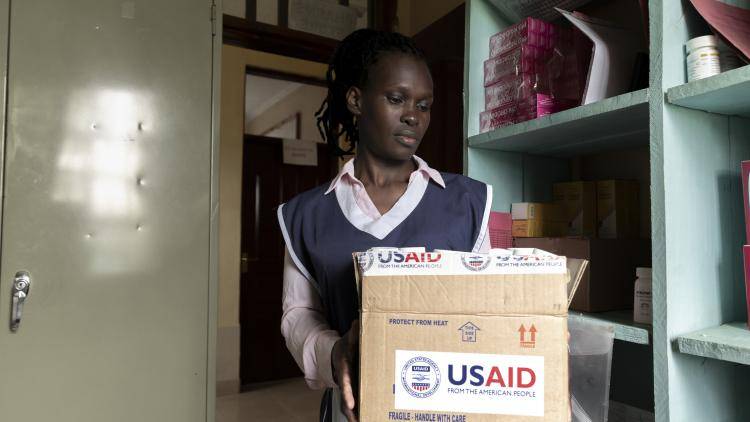
The most blatant deal-making has come from the US. A current and striking example is Zambia, where the US is reportedly considering withdrawing funding for life-saving malaria, tuberculosis and HIV programmes, from as early as May 2026, to pressure the Zambian government to sign the Zambia–US Health Deal.
Zambia has pushed back on the deal over concerns about US health funding being tied to preferential access to its mineral resources, mining sector and pathogen data. The proposed deal makes it clear that the US will use foreign aid to incentivize other nations to support US interests and will punish those that do not comply. But this shift to overtly transactional aid predates the policies of the second Trump administration. For example, in 2023, Italy’s Mattei Plan explicitly tied engagement with African countries to migration management, energy security and strategic influence.
Why has aid from Western countries become so transactional, and what does this mean for health in low- and middle-income countries (LMICs)? In short, the previous framing of aid as an altruistic or charitable endeavour – which was never the full picture – has become unpopular in both donor and recipient countries.
In LMICs, there has been a growing realization of – and frustration with – aid’s links to implicit political and economic agendas of donor countries, often undermining recipient countries’ abilities to set their own health priorities.
At the same time, many Western countries that were previously major aid donors have experienced widening inequalities. These inequalities have fuelled a wave of right-wing populism – amplified by social and traditional media – that prioritizes problems at home over sending money to other countries, and presents this as a zero-sum trade-off. As illustrated by UK polls showing that public support for overseas development assistance is ’genuine but conditional’, spending on global health and development by Western countries is now politically viable primarily when it is conditional on serving national interests.
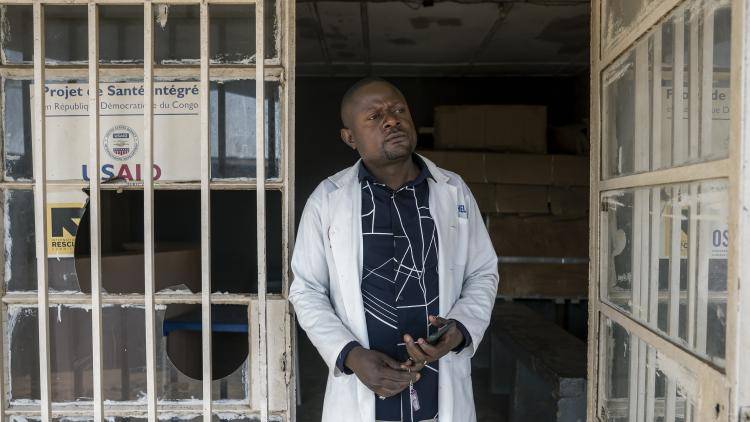
The immediate impacts on recipient countries facing the biggest cuts will be huge, with estimates of excess deaths from severe funding cuts as high as 23 million by 2030. Other consequences of aid cuts are expected to include staggering reductions in access to modern family planning methods, disruptions to school feeding programmes, and a surge in vaccine-preventable diseases.
In the long term, however, making national interests more explicit introduces a level of transparency that was often absent in the past. This allows for more honest negotiations between donors and recipient countries, and explicit alignment of mutual goals. We can already see that aid-recipient countries are in a better position to assess the full terms of engagement and reject deals that do not align with their interests. Like Zambia, Zimbabwe halted negotiations with the US because the health funding deal asked Zimbabwe to provide biological samples and access to information on new or emerging pathogens for up to 25 years without assurance of access to life-saving innovations.
A further long-term benefit for countries that walk away from one-sided aid deals and rely on more domestic financing for health is increased accountability and responsiveness of health programmes to their populations.
Looking ahead, how should stakeholders adapt to the new transactional model of aid?
NGOs, activists and policy advocates making the case for foreign aid should reframe how they present its purpose. Rather than relying primarily on altruistic arguments – which are proving less politically persuasive in an era of fiscal constraint and more inward-looking populations – they could emphasize how interconnected health is globally and challenge the notion that diverting health funding towards defence makes Western countries safer. Although highlighting national interest to justify foreign aid may feel uncomfortable or even distasteful to those who have championed aid as a moral imperative, it more accurately reflects how aid has always functioned. Global health scholar Hani Kim has argued that investments in global health have always had explicit and implicit purposes – with the implicit being to maintain existing power structures.
For countries that continue to rely on foreign aid for health programmes, it is critical to introduce stronger safeguards in their agreements with donors, particularly in relation to withdrawal conditions. They should take advantage of the transactional nature of discussions to embed longer timeframes for ending financial support and impact mitigation strategies to protect essential health programmes during transitions.