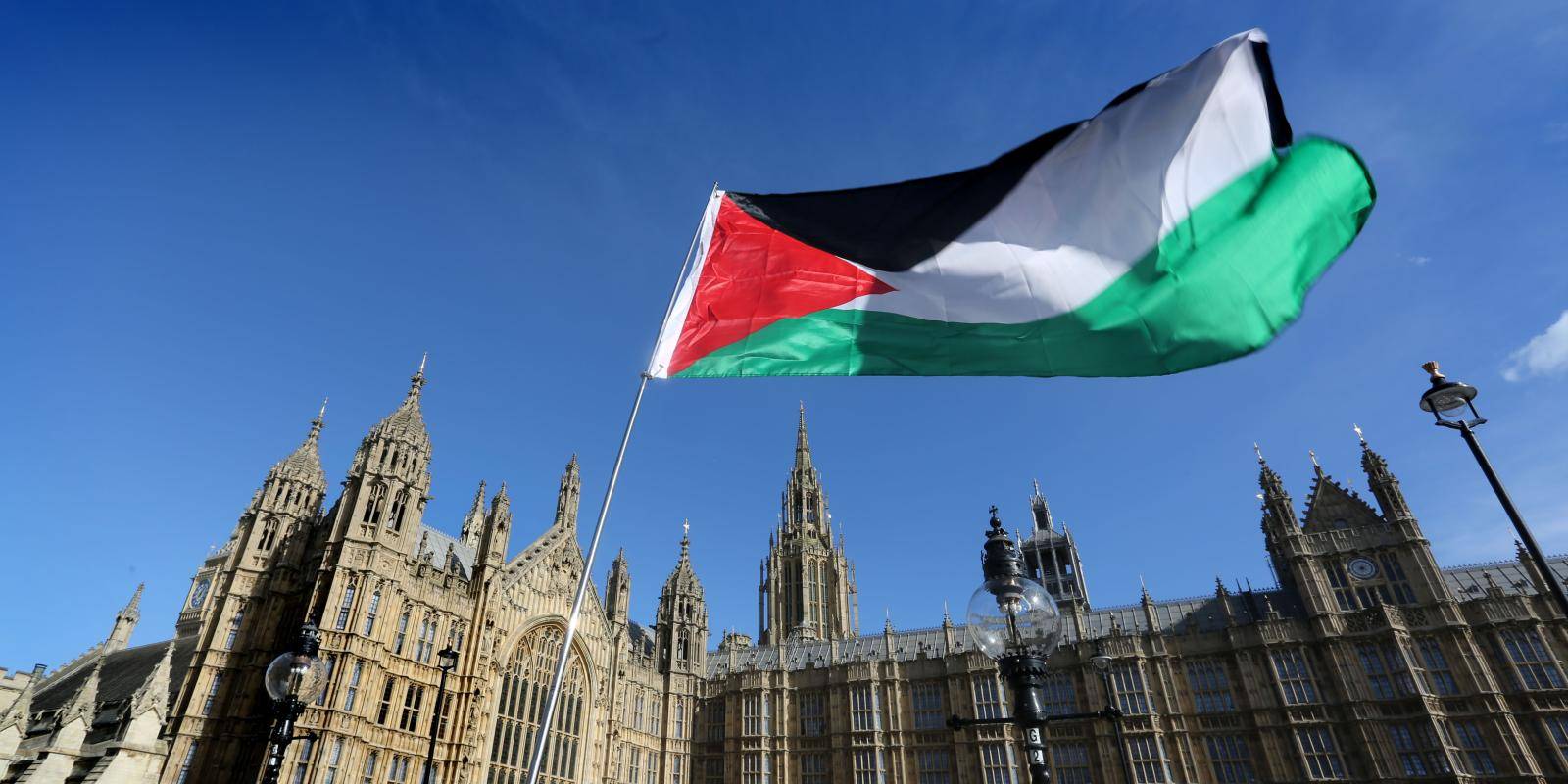
On the current trajectory, the potential for Palestinian statehood will erode beyond the scope of possibility – an unacceptable outcome for Palestinians, and a full repudiation of long-standing UK policy supporting a sovereign Palestine alongside a secure Israel. Denial of Palestinian self-determination will only lead to more cycles of violence; the horror of the attacks of 7 October 2023 and the devastation of the war in Gaza are tragic reminders of the costs borne by civilians when the ‘status quo’ is allowed to persist in the absence of serious attempts to end the occupation and resolve the conflict.
On the current trajectory, the potential for Palestinian statehood will erode beyond the scope of possibility – an unacceptable outcome for Palestinians, and a repudiation of long-standing UK policy.
At the regional level, the rejection of Palestinian sovereignty and deepening of the occupation will further derail progress towards normalization of relations between Israel and Arab states, while fuelling the aggression of hostile actors – including but not limited to Iran and its affiliates. As UK foreign secretary Ed Miliband emphasized in his September statement on Israel–Palestine, ‘if there is one lesson of recent decades, it is that we will never have stability in the Middle East without a two-state solution’.
The UK has an important role to play in sustaining the viability of a Palestinian state and upholding the commitment to a two-state solution, especially when using its substantive convening power to work with other like-minded middle powers. It was right to recognize a Palestinian state in 2025, alongside France, Canada and Australia. A year later, the new government under prime minister Andy Burnham has taken a long overdue step in banning trade with Israeli settlements; this was done in coordination with 11 other countries, including France and Canada. The September 2026 joint foreign ministers’ statement made plain that the purpose of their action was to preserve the possibility of a two-state solution, to which the coalition of states remains ‘unequivocally committed’.
The British government’s assertion that Israel’s occupation of the Palestinian territories is illegal under international law, in accordance with the 2024 advisory opinion of the International Court of Justice, is perhaps even more significant – if less headline-grabbing – in terms of potentially reorienting UK policy. The decision to refuse arms-export licences for weapons and equipment that materially contribute to the occupation represents an important policy change deriving from this acknowledgment.
Regardless of the outcome of the Israeli elections, the UK can go further, in coordination with international partners, to adopt a more assertive posture that calls on Israel to end the occupation and to cease policies that actively obstruct Palestinian statehood.