
Across Europe, economies have become increasingly digital, bringing significant benefits to businesses and consumers. However, growing reliance on digital payment systems means that when these systems fail, people are unable to spend the money in their bank accounts.
Sometimes, this is because of technical failures. On 20 October 2026, due to an extended power outage that paralysed Google Cloud services, millions of UK residents were unable to make card payments, cash withdrawals or bank transfers.
In other cases, hostile actors have launched cyberattacks that paralyse European payment systems. Figures from September 2026 show a 61 per cent year-on-year increase in cyberattacks across Europe, many of which targeted financial services.
These risks have prompted the EU and the UK to issue fresh crisis preparedness strategies, such as the UK government’s ‘Be Ready’ campaign. A key aspect of these strategies is the advice to keep adequate cash at hand in case digital systems go down.
However, the use of cash has long been in decline: only 3 per cent of UK adults mainly use cash for their day-to-day spending. Consumers increasingly prefer the convenience of digital payments, while many businesses no longer accept cash. This raises questions about whether people will have sufficient cash available when digital payment systems fail.
This problem is compounded by the fact that ATMs also require electricity to dispense cash. As a result, during a prolonged power outage or cyberattack, millions of consumers could lose the ability to pay with their cards and phones or withdraw cash from their bank accounts.
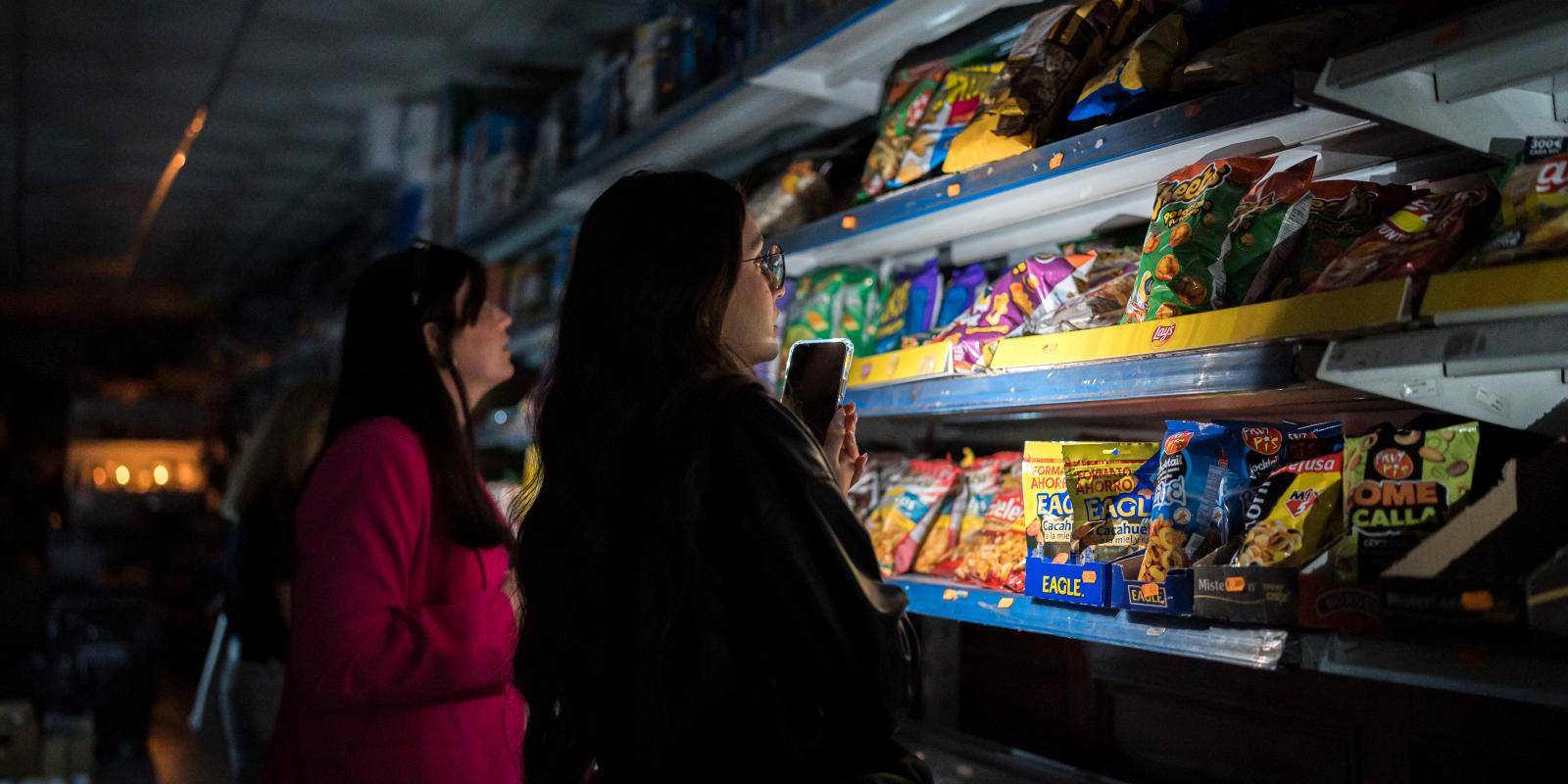
During the 2025 Iberian blackout that brought digital payments to a standstill, many consumers without cash could not purchase even the most basic of supplies. Tens of millions of people were affected across Spain and Portugal.
Central bank digital currencies (CBDCs) that can function offline offer a solution to this problem. While both the EU and the UK have floated the idea, they must engage in much closer collaboration on their development.
Offline digital money
Central bank digital currencies (CBDCs) are digital versions of existing national currencies that are issued by central banks – essentially, digital cash.
Unlike cryptocurrencies such as Bitcoin, CBDCs’ value does not fluctuate independently of the national currency. And while stablecoins also aim to maintain a fixed value against existing currencies, they are typically issued by private companies rather than central banks.
CBDCs also differ from money held in standard digital bank accounts, which commercial banks owe to their customers. Unlike these deposits, CBDC holdings would not be exposed to the risk of a commercial bank failing.
The European Central Bank (ECB) is currently developing its CBDC, the digital euro. Its aim is to preserve the role of public money in the digital economy and reduce the bloc’s dependence on non-European payment providers. Similarly, the Bank of England (BoE) is drawing up a blueprint for a potential digital pound.
A key feature of the plans for the digital euro and digital pound is the ability to make payments offline.
During an electricity outage, conventional digital payments can fail because payment terminals lose access to electricity, online transactions cannot be authorized, or the payment provider’s infrastructure stops working.
The goal of both the EU and the UK is to build CBDCs that avoid these pitfalls and reflect the operational resilience of cash, albeit in different ways.

On the EU side, consumers will be able to open a digital euro wallet, and preload funds there from their commercial bank accounts. During a power outage, say due to a cyberattack, they could make payments using their phone or a physical card through near-field communication (NFC) technology. Payments would be settled directly between the consumer’s device and the merchant’s payment terminal, without requiring internet connectivity.
The use of physical cards could prove particularly valuable during prolonged power outages, as they do not require charging, unlike smartphones. The ECB is also exploring the possibility of integrating digital euros into existing payment cards rather than requiring a dedicated digital euro card.
Meanwhile, the UK is currently prioritizing a slightly different design. Instead of settling the payment immediately, payment instructions would be recorded offline, but the actual transfer of funds would only take place once connectivity is restored.
Offline payments are not yet crisis-proof
While efforts to develop offline CBDCs are important, several challenges remain. The EU and the UK should jointly address them.
The first issue relates to the risk of double spending – when the same units of money are used to make two or more separate payments. Normally, double spending is avoided through real-time, centralized verification of payment requests.
However, during a power outage, payment terminals cannot send these requests to banks. While both the ECB and the BoE have explored technical solutions to tackle this risk, additional work is necessary before deployment.
Another challenge relates to operational readiness. It is unclear why European consumers would be incentivized to pre-emptively fund their offline CBDC wallets, especially if they consider a power outage to be improbable.
Furthermore, European merchants need to possess battery-powered payment terminals for offline CBDC payments. During the 2025 Iberian blackout, even battery-powered terminals became unusable as their batteries ran out.
Why the EU and UK need to work together
The EU and the UK should collaborate on offline CBDCs for several reasons.
The first is their complementary expertise. On the one hand, the EU is further ahead in the development of its CBDC, with the ECB aiming to be ready to potentially issue the digital euro in 2029. On the other, the BoE can contribute valuable insights from its experiments with different offline payment technologies, particularly regarding trade-offs between security, privacy and usability.
Second, the EU and the UK are exposed to several overlapping threats. Given that they rely on common technological infrastructure, their payment networks are highly vulnerable to shared power outages and, even worse, to coordinated digital destabilization efforts by hostile actors.
Finally, European collaboration on offline CBDCs is necessary because of economic interdependence. The EU accounts for approximately 45 per cent of UK trade. Almost 77 per cent of overseas trips by UK residents were to Europe.
Failure to collaborate would mean that, during future outages, European cross-border trade and retail transactions might become critically impaired.
Three steps towards more resilient payments
The EU and the UK should use their forthcoming 20 November summit to advance closer alignment on offline CBDCs.
The first step should be to establish recurring, joint stress tests of payment resilience.
The ECB and the BoE can simulate a shared 72-hour power outage, testing whether CBDCs can reliably support offline transactions. This will help European policymakers to better tackle the problem of double spending and other operational challenges before deploying CBDCs.
The EU and the UK should also strive to bring their technical standards closer together. This could include the development of a prototype NFC payment terminal capable of accepting offline payments in both digital euros and digital pounds. Tests could be conducted across the Irish border, where sterling and euro payments intersect.
Lastly, they should explore the expansion of offline CBDCs to cross-border transactions involving currency conversion.
During prolonged outages, businesses may need to make new payments to foreign suppliers for essential goods. The EU and UK could test whether payment providers holding both currencies could facilitate offline exchanges, allowing buyers to pay in digital pounds or euros while suppliers receive their preferred currency.
As hybrid threats to payment systems become ever more severe, the EU and the UK need to collaborate more closely on offline CBDC standards. Otherwise, they risk being woefully unprepared when the lights go out next – with devastating consequences for their supply chains and their citizens’ ability to purchase essential goods.