Research focuses on revenue management, traceability and transparency of the extractive sector, and the linkages for poverty reduction and economic diversification in resource-rich countries.
The Africa Programme has built strong expertise in the oil and gas sector and led several research projects focused on the established oil exporters in the Gulf of Guinea region, from Angola to Guinea.
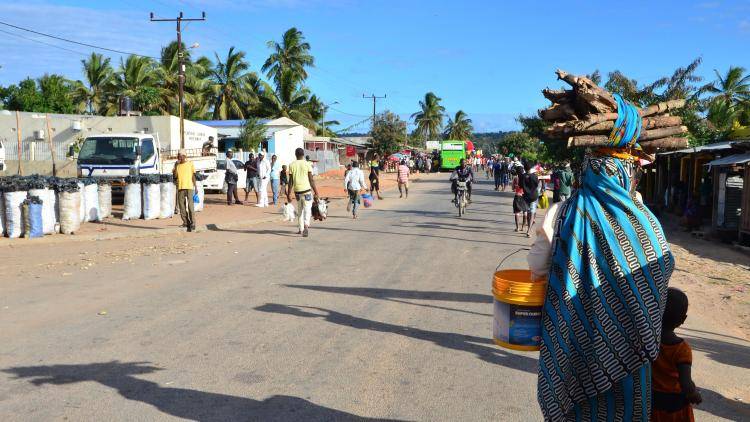
Ongoing programme research examines the pivotal role of frameworks such as the UN Guiding Principles on Business and Human Rights, and the Voluntary Principles on Security and Human Rights through two projects in Mozambique and Tanzania. Through research and convening, the Programme aims to promote dialogue and develop evidence-based policy recommendations, guiding efforts to create a resource sector that respects local communities, strengthens security, and builds long-term investor trust and sustainable economic growth.
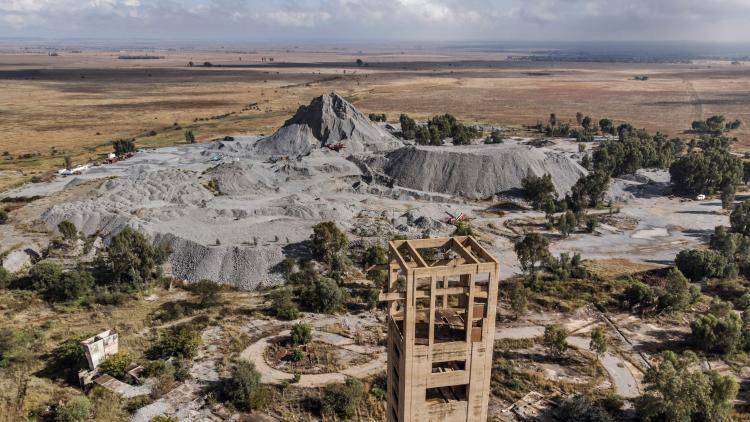
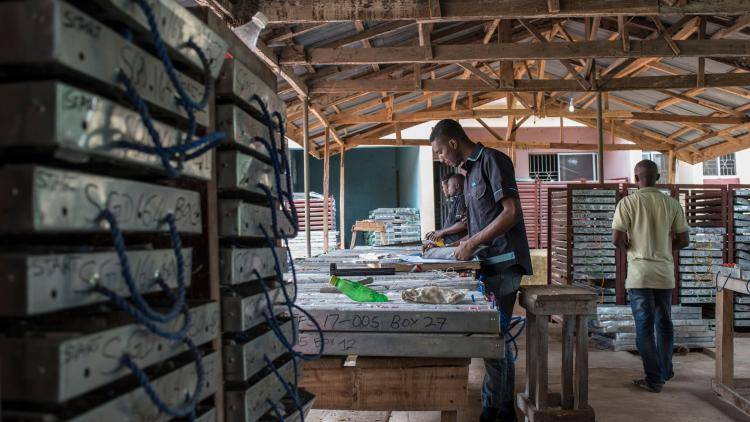
The Africa Programme also examines key issues and debates within the mining industry, focusing on the geopolitical, investment, and regulatory factors shaping mineral resource governance. Two reports have examined critical minerals traceability issues. This research has informed European parliamentarians on African perspectives on traceability, current challenges and the potential for traceability schemes to support Africa’s economic development.
The Africa Programme has extended its network of expertise to cover new and existing resource frontiers. In 2024, the Programme hosted HE Thérèse Kayikwamba Wagner, the DRC’s Minister of Foreign Affairs, who outlined the DRC’s role in global critical mineral supply chains.