

It is important for policymakers in the EU to control the types of biomass feedstock used – and supported by policy frameworks – in order to limit negative impacts on the climate.
Demand and Supply in Selected EU Member States
Research paper
Published 7 June 2018
Updated 14 December 2020
ISBN: 978 1 78413 267 5

It is important for policymakers in the EU to control the types of biomass feedstock used – and supported by policy frameworks – in order to limit negative impacts on the climate.

The use of wood for electricity generation and heat in modern (non-traditional) technologies has grown rapidly in recent years. For its supporters, the use of wood for energy offers a flexible way of supplying renewable energy, with additional benefits to the global climate and to forests. To its critics, it can release more greenhouse gas emissions into the atmosphere than the fossil fuels it replaces, and it also threatens the maintenance of natural forests and the biodiversity that depends on them. Just like the debate around transport biofuels a few years ago, this has become a highly contested subject with very few areas of consensus.
This paper is one of a series on biomass produced by Chatham House. Between them the papers aim to provide an analysis of the growth of the use of wood for power and heat and a discussion of the debates around its impact on the global climate and on forests. In addition, the series intends to reach conclusions for policymakers on the appropriate treatment of woody biomass for energy in policy frameworks.
The first of this series, Woody Biomass for Power and Heat: Impacts on the Global Climate, is summarized below.1 This paper, Woody Biomass for Power and Heat: Demand and Supply in Selected EU Member States, provides background information on the use of woody biomass for power and heat within the EU, which is currently the main global source of demand for non-traditional uses of biomass. (On the global scale, traditional uses of biomass for cooking and heating, usually on open fires or in simple cookstoves, account for about twice as much energy use as consumption in modern technologies such as power stations, industrial processes, biomass burners, and so on.2 Although in some EU countries some wood is still used in this way, this is not the main focus of these papers.)
The use of biomass for energy has been increasing steadily in many EU member states as a result of the renewable energy targets adopted for each member state under the 2009 Renewable Energy Directive, which set an overall target for renewable energy of a 20 per cent share of total energy across the EU by 2020. Biomass plays a significant part in the EU’s ability to meet these targets for power and heat.
Chapter 2 provides a brief overview of the situation in the EU as a whole. Chapters 3–11 look at nine key member states, selected to include a range of different patterns of use and sourcing of woody biomass: Denmark, France, Finland, Germany, Italy, Poland, Romania, Sweden and the UK. Each chapter includes an analysis of recent, current and projected consumption of woody biomass for power and heat, the main sources of supply, whether domestic or imported, the policy frameworks that support the use of biomass, and information on national sustainability criteria (where they exist), designed to minimize the environmental impact of the feedstock.
Chapter 12 analyses the carbon emissions associated with this biomass use for each country, and examines how these are reported under the current international rules for greenhouse gas accounting, which may lead to ‘missing’ (unreported) emissions. Chapter 13 sets out the prospects for biomass energy use in the EU, in terms of power, heat and supply, while Chapter 14 concludes with recommendations for the EU and member states on the role of woody biomass for power and heat in their future policy frameworks.
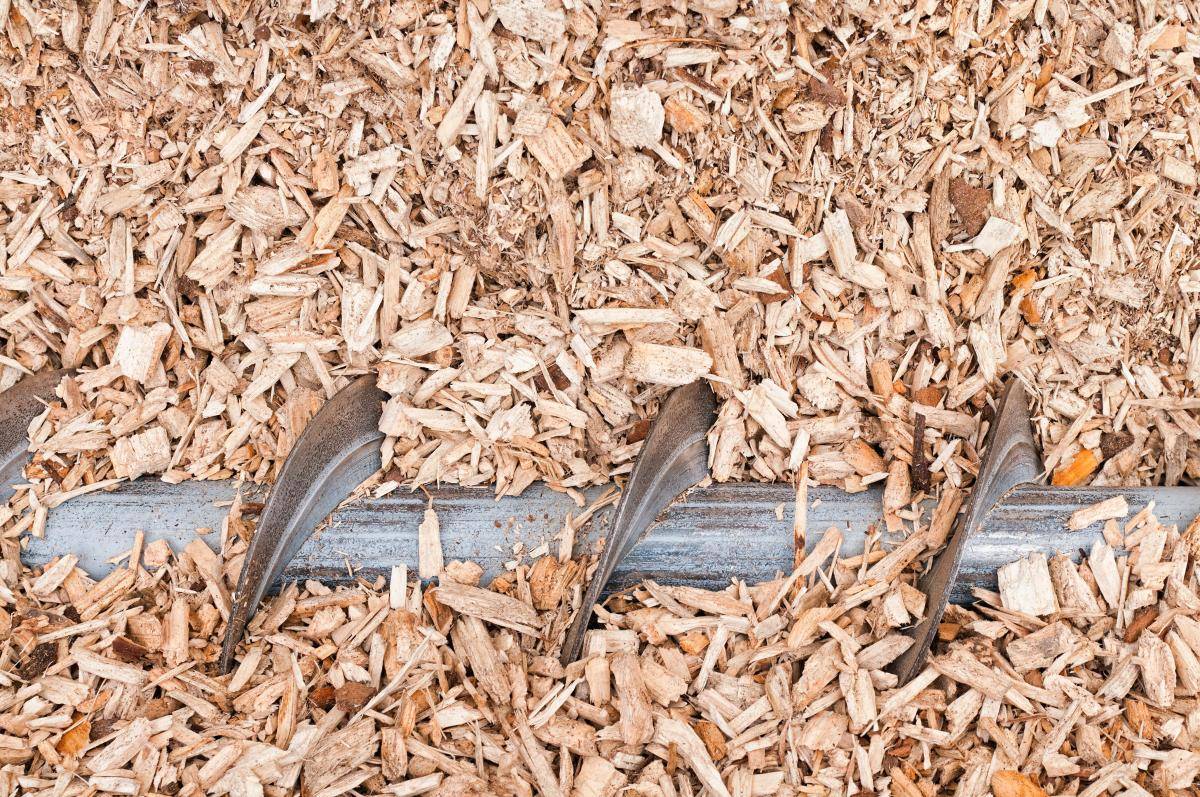
Wood in various forms can be used for electricity generation and heat. Primary end-products that are used for this purpose, and are referred to throughout this paper, include:
These different types of wood feedstock can be used to produce electricity in thermal power stations (sometimes by co-firing with coal, which requires only limited modification of the coal plant), or heat, by burning in open fireplaces, stoves or boilers of various sizes or through heat recovery from electricity generation in CHP plants. Wood can also be gasified and the gas produced then used directly for electricity generation or (after treatment) fed into gas networks for heating or adapted for transport. The vast majority of biogas produced in the EU, however, is produced from agricultural crops or wastes or landfill waste rather than from wood.
Wood is therefore likely to remain the biomass fuel of choice for electricity generation and heat, at least for the next 10 years and probably longer.
While there are alternatives to the use of wood in biomass power and heat, including organic wastes, agricultural residues such as straw, and energy crops such as miscanthus (elephant grass) or switchgrass, these tend to be less energy-dense and more expensive to collect and transport than wood, particularly where the wood used is offcuts, residues and wastes from industries producing wood for other uses such as construction, panels, furniture or paper. Wood is therefore likely to remain the biomass fuel of choice for electricity generation and heat, at least for the next 10 years and probably longer.
The first paper in the Chatham House series, Woody Biomass for Power and Heat: Impacts on the Global Climate, reached the following conclusions:
The paper concluded that growth in the use of woody biomass for energy posed a significant risk to efforts to mitigate climate change, particularly if policy failed to limit the use of feedstocks to those with the lowest impact on the climate.
Reflecting the lack of consensus on the climate impacts of the use of wood for energy, the paper attracted a considerable degree of criticism from the biomass industry, and some members of the research community.4 Support for the paper’s conclusions was also forthcoming, however, from several sources and further studies. The European Academies Science Advisory Council, for example, concluded in May 2017 that: ‘Compared with some other renewable energy sources, the impact of biomass energy on levels of carbon dioxide in the atmosphere is very poor, and renewable subsidies should reflect this’.5 In the run-up to the European Parliament’s debate on the new Renewable Energy Directive in January 2018, groups of scientists on both sides released open letters arguing the cases for and against subsidies for biomass.6 The debate continues, with areas of contention including the length of an acceptable payback period, which feedstocks should be supported, and the appropriate use of sustainability criteria.
Bioenergy comes in different forms, and available statistics do not always distinguish between them. Figures for ‘biofuels’ in statistical sources sometimes include all forms of bioenergy (solid biomass, liquid biofuels and biogas), and figures for ‘solid biomass’ often include municipal waste and agricultural residues. Throughout this report, these terms are used: