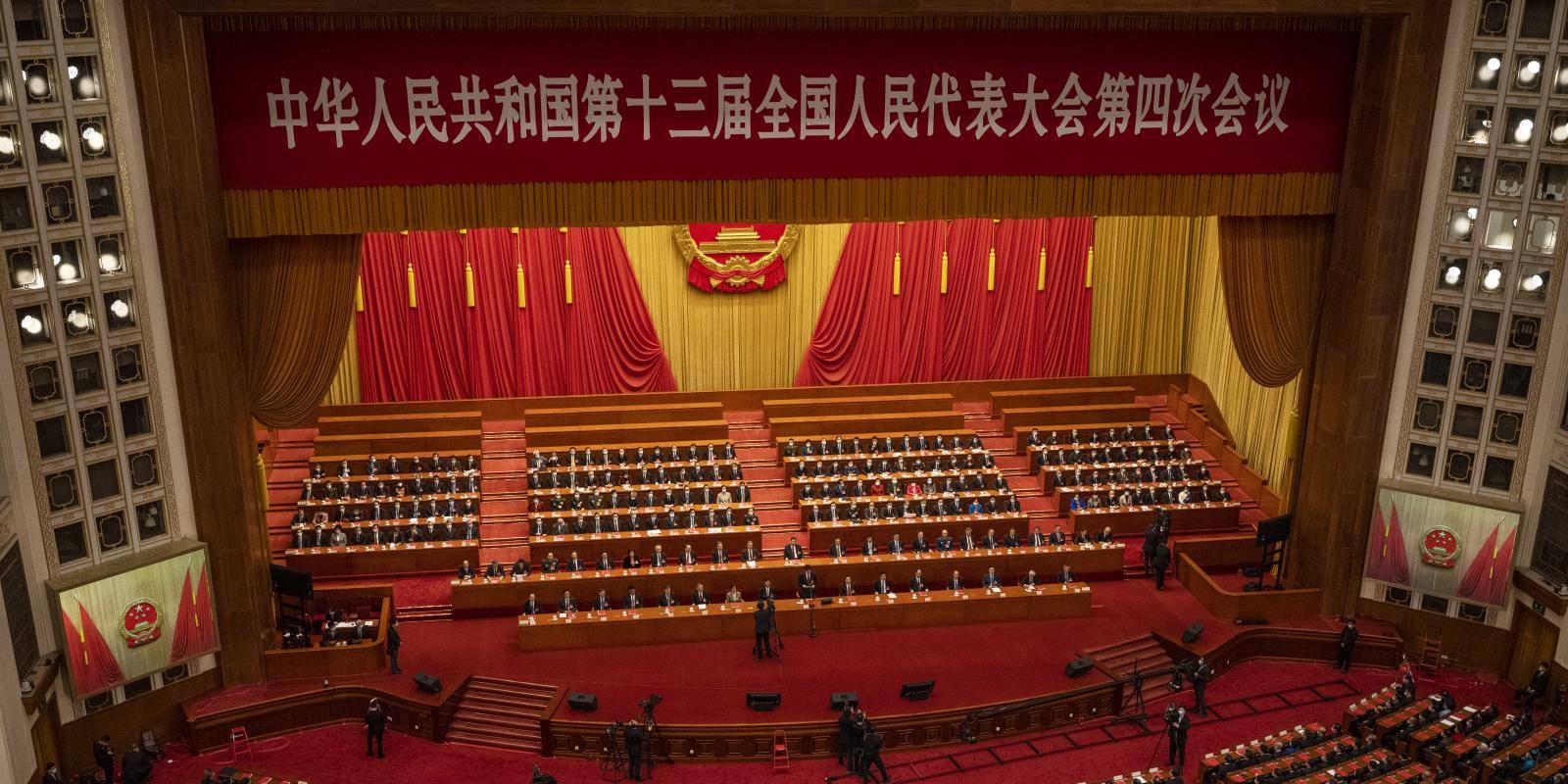
This briefing paper challenges the conventional wisdom that China functions as a unitary player in international affairs. Far from reflecting the agenda of a well-orchestrated single entity, foreign policy formulation and implementation in Beijing’s corridors of power is susceptible to skirmishes among central government institutions, provincial-level governments and major SOEs, each working for their own greater authority and budgetary power.
Despite the Party’s increased control over numerous institutions and corporations, each subnational actor is able to influence some of the most important foreign policy decisions. Seeking consensus remains one of the most frequent formats of decision-making within the Chinese political system. Since China has become a major player on the global stage, foreign policy decision-making now demands more time and expertise than was required in the past.
As a result, China’s foreign policy agenda has witnessed a significant institutional power shift from traditional diplomacy-led ministries to specialized units. While foreign affairs are not necessarily within the remit of most of these specialized government institutions, they have still been able to influence Beijing’s foreign policy agenda, with far-reaching implications for China and the world.
The same is true for Chinese SOEs, which are often seen as vehicles solely for promoting Beijing’s geostrategic ambition. When SOEs believe that their commercial interests are being jeopardized by government policies, conflicts and disagreements arise.
Subnational governments have retained a certain degree of economic autonomy since Deng’s landmark economic reforms in the late 1970s. Some provincial-level governments wield sufficient power to determine key elements of Beijing’s foreign policy agenda, ranging from border disputes to the BRI. Their activities are key to understanding China’s motivations.
To this end, analysis of the country’s foreign policy should be less concerned with the idea of what China wants, and instead focus more on the agendas and actions of the various influential SOE and provincial-level actors. In particular, the complexities of Beijing’s seemingly coherent grand strategy and the vested interests within ministries and corporations are often overlooked.
Despite President Xi’s iron-fist approach to Party control, China’s foreign policy decision-making process remains fluid in nature, opaque in implementation and erratic in coordination.