
Chatham House – International Affairs Think Tank logo Chatham House – International Affairs Think Tank

Popular searches:

  • Internship
  • China
  • Belarus
  • Brexit
  • Iran
  • Russia
  • Covid-19
Sign in Support us Search

Main navigation

  • Topics
    Back

    Topic Themes

    • Defence and Security
      Back

      Defence and Security

      • Arms Control
      • Drugs and Organized Crime
      • European Defence
      • Peacekeeping and Intervention
      • Terrorism
      • North Atlantic Treaty Organization (NATO)
    • Economics and Trade
      Back

      Economics and Trade

      • Drugs and Organized Crime
      • Brexit
      • BRICS Economies
      • China's Belt and Road Initiative (BRI)
      • International Finance System
      • International Trade
      • Investment in Africa
      • World Trade Organization (WTO)
      • G7/G8 and G20
    • Environment
      Back

      Environment

      • Agriculture and Food
      • Circular Economy
      • Clean and Renewable Energy
      • Climate Policy
      • Energy Access and Governance
      • Managing Natural Resources
    • Health
      Back

      Health

      • Access to Healthcare
      • Health Strategy
      • Coronavirus Response
      • World Health Organization (WHO)
      • United Nations
    • Institutions
      Back

      Institutions

      • World Trade Organization (WTO)
      • World Health Organization (WHO)
      • African Union (AU)
      • European Union (EU)
      • G7/G8 and G20
      • North Atlantic Treaty Organization (NATO)
      • United Nations
    • Major Powers
      Back

      Major Powers

      • China's Belt and Road Initiative (BRI)
      • America's International Role
      • China's Relations
      • US Domestic Politics
      • US Foreign Policy
    • Politics and Law
      Back

      Politics and Law

      • Brexit
      • US Domestic Politics
      • Democracy and Political Participation
      • Demographics and Politics
      • Human Rights and Security
      • International Criminal Justice
      • Refugees and Migration
      • Gender and Equality
      • Disinformation
    • Society
      Back

      Society

      • Drugs and Organized Crime
      • Brexit
      • Circular Economy
      • Human Rights and Security
      • Refugees and Migration
      • Civil Society
      • Digital and Social Media
      • Future of Work
      • Gender and Equality
      • Radicalization
      • Disinformation
    • Technology
      Back

      Technology

      • Digital and Social Media
      • Future of Work
      • Radicalization
      • Cyber Security
      • Data Governance and Security
      • Technology Governance
      • Disinformation
    View Topics A-Z
  • Regions
    Back

    Regions

    • Africa
      Back

      Africa

      • Angola
      • Central Africa
      • East Africa
      • Horn of Africa
      • Nigeria
      • Southern Africa
      • West Africa
    • Americas
      Back

      Americas

      • Canada
      • Central America and Caribbean
      • South America
      • United States of America
    • Asia-Pacific
      Back

      Asia-Pacific

      • Afghanistan
      • China
      • India
      • Japan
      • Korean Peninsula
      • Pakistan
      • South Asia
      • Southeast Asia
      • The Pacific
    • Europe
      Back

      Europe

      • Central and Eastern Europe
      • France
      • Germany
      • Turkey
      • United Kingdom
      • Eurozone
    • Middle East and North Africa
      Back

      Middle East and North Africa

      • Egypt
      • Gulf States
      • Iran
      • Iraq
      • Israel and Palestine
      • Libya
      • Maghreb
      • Syria and the Levant
      • Yemen
    • Russia and Eurasia
      Back

      Russia and Eurasia

      • Central Asia
      • Russia
      • South Caucasus
      • Ukraine
    View Regions A-Z
  • Events
  • Publications
    Back

    Publications

    • Books
      Books in the Chatham House Library.
    • International Affairs Journal
      Display copies of International Affairs at an event in Hamburg, Germany.
    • Journal of Cyber Policy
      A close up of the cover of the Journal of Cyber Security.
    • The World Today Magazine
      The World Today - Cover Oct/Nov 2020
  • Become a Member
    Back

    Become a Member

    • Associate Membership
      Nathan Robinson, editor of Current Affairs, speaks at our primer on Democratic Socialism.
    • Corporate Membership
      Amal Clooney speaks at our members event on the use of sanctions to protect journalists.
    • Individual Membership
      A member takes the opportunity to ask the panel a question at our event on the digital revolution.
    • Gift Membership
      Sir David Attenborough and HRH Queen at CH Prize
  • Leadership Academy
  • About us
    Back

    About us

    • Annual Reviews
      A guest tries on a virtual reality headset at our 2018 "Reinventing the Building" event.
    • Careers
      Woman offers a high five to co worker
    • Chatham House Rule
      Speakers at an event listen to a question
    • Contact us
      Woman with laptop and mobile phone
    • Our Departments
      Three guests at a Chatham House event
    • Our Funding
      A detail of the Chatham House front door
    • Our Governance
      Her Majesty The Queen's signature
    • Our History
      Sketch of Ghandi at Chatham House
    • Our Mission and Values
      Guests at the 2018 Reinventing Fashion event
    • Our People
      Robert Bosch Stiftung Academy Fellowship
Support us
Sign in Go to sign in

Space, the Final Frontier for Cybersecurity?

A radical review of cybersecurity in space is needed to avoid potentially catastrophic attacks.

Research Paper 22 September 2016 ISBN: 978 1 78413 120 3

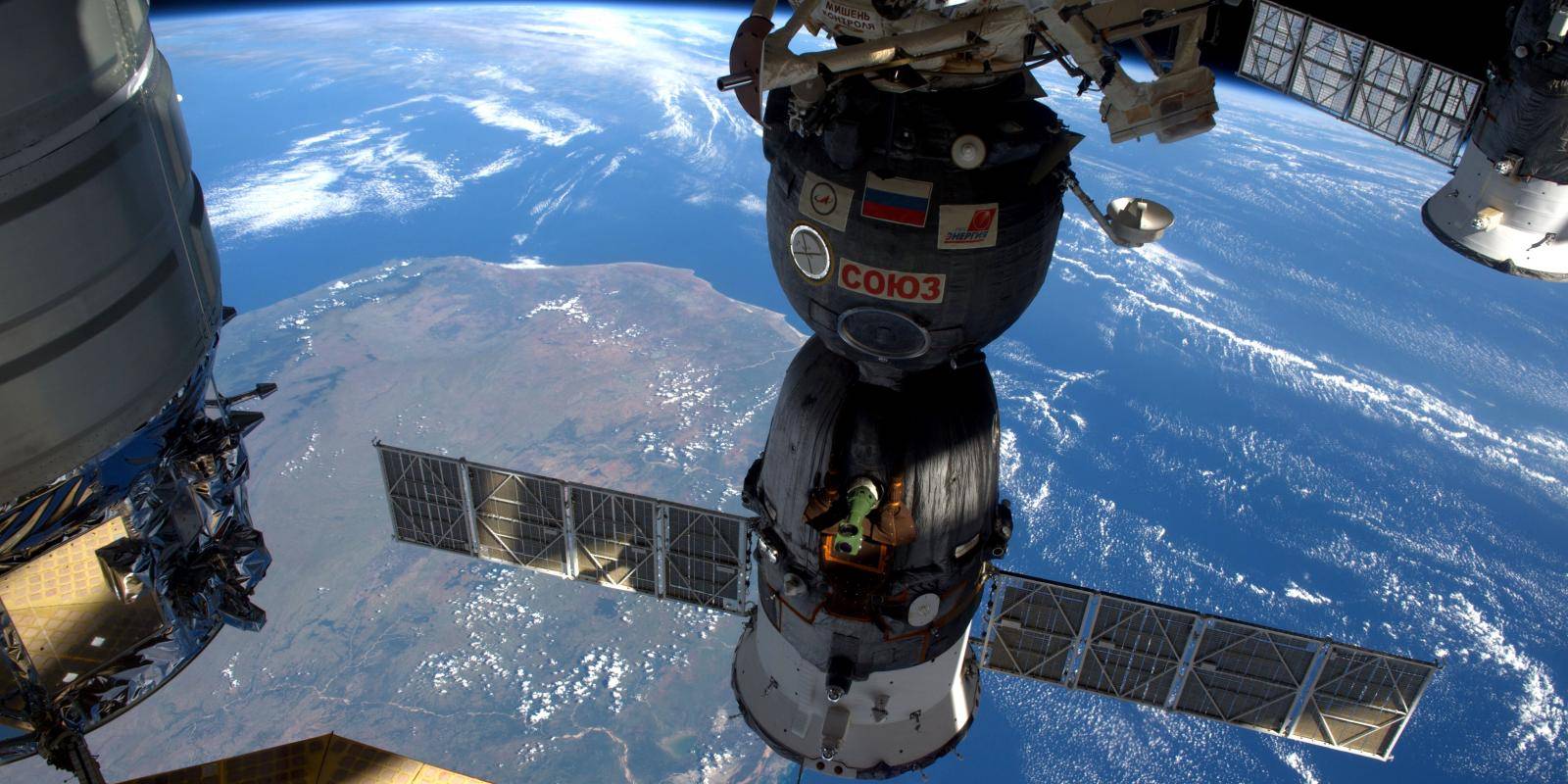
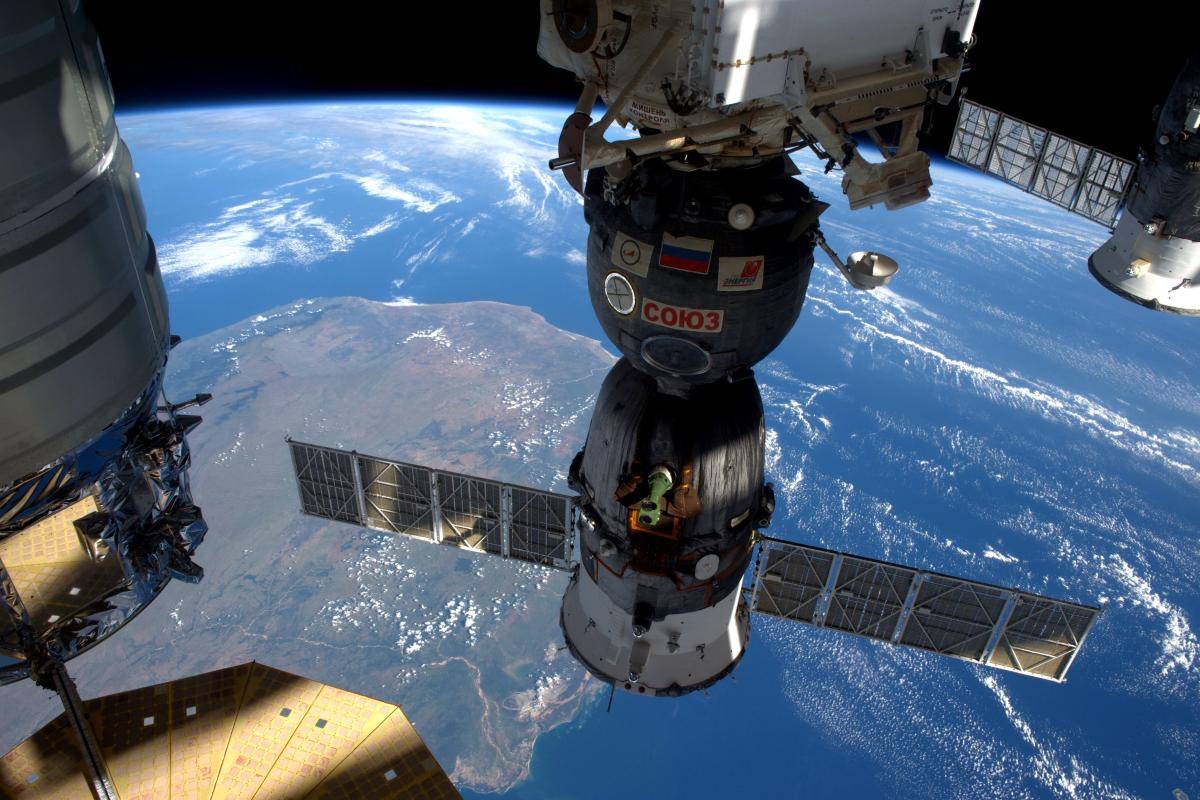
The Soyuz TMA-19M spacecraft attached to the International Space Station on 16 June 2016. Photo: Tim Peake/ESA/NASA via Getty Images.

David Livingstone

Associate Fellow, International Security Programme

  • Email David
  • LinkedIn

Dr Patricia Lewis

Research Director, Conflict, Science & Transformation; Director, International Security Programme

  • Email Patricia
  • Twitter

Topics

  • Cyber Security

Departments

  • International Security Programme

Projects

  • Cyber and Space
Download PDF

You are viewing: Summary

You are viewing: Space, the Final Frontier for Cybersecurity?

Space, the Final Frontier for Cybersecurity?
  • Summary
  • 1. Introduction⌄
    • Project background
  • 2. Challenges⌄
    • Current responses
    • New responses
  • 3. Threats, Risks and Trends⌄
    • Mapping the threats
    • Threat pathways
    • Mapping threats, assessing vulnerabilities
    • Market trends
  • 4. Technical Aspects of Cyberthreats to Satellites⌄
    • Jamming
    • Beyond physical cyberattacks
    • Spoofing
    • International incidents and awareness of vulnerabilities
    • Military vulnerabilities
    • Vulnerabilities in commercial satellite systems
    • Hijacking satellites to destroy or deactivate them
  • 5. Promoting International Cooperation and Other Policy Measures⌄
    • Principles of a space cybersecurity response
    • Policy requirements
    • Governance
    • Management
    • Inclusiveness
    • Types of regime behaviour
    • Reduction of supply chain risk: the task ahead
  • 6. Implementation of a Space Cybersecurity Regime
  • 7. Conclusions and Recommendations⌄
    • Recommendations
  • Glossary of Terms
  • About the Authors
  • Acknowledgments
Loading, please wait

Summary

  • Much of the world’s critical infrastructure – such as communications, air transport, maritime trade, financial and other business services, weather and environmental monitoring and defence systems – depends on the space infrastructure, including satellites, ground stations and data links at national, regional and international levels.
  • Satellites and other space assets, just like other parts of the digitized critical infrastructure, are vulnerable to cyberattack. Cyber vulnerabilities in space therefore pose serious risks for ground-based critical infrastructure, and insecurities in the space environment will hinder economic development and increase the risks to society.
  • Cyberattacks on satellites can include jamming, spoofing and hacking attacks on communication networks; targeting control systems or mission packages; and attacks on the ground infrastructure such as satellite control centres. Possible cyberthreats against space-based systems include state-to-state and military actions; well-resourced organized criminal elements seeking financial gain; terrorist groups wishing to promote their causes, even up to the catastrophic level of cascading satellite collisions; and individual hackers who want to fanfare their skills.
  • Space is changing from a selective preserve of wealthy states or well-resourced academia, into one in which market forces dominate. Current technologies bring space capability into the reach of states, international organizations, corporations and individuals that a decade ago had no realistic ambition in this regard; and capabilities possessed a few years ago only by government security agencies are now in the commercial domain.
  • The pace at which technology evolves makes it hard, or even impossible, to devise a timely response to space cyberthreats. Humans too are affected by ‘digital ageing’ and legacy issues, and younger people use space-based and cyber communications in ways that make it difficult for older generations – and thus by implication some senior decision-makers – to fully understand the range of technologies and threats.
  • Technology alone cannot provide the basis for policymaking on cybersecurity. Entirely or largely technological approaches do not have the breadth or depth to allow comprehensive participation, and would exclude many stakeholders who could otherwise contribute usefully to responses to the variety of threats propagated through the internet.
  • Development of a flexible, multilateral space and cybersecurity regime is urgently required. International cooperation will be crucial, but highly regulated action led by government or similar institutions is likely to be too slow to enable an effective response to space-based cyberthreats. Instead, a lightly regulated approach developing industry-led standards, particularly on collaboration, risk assessment, knowledge exchange and innovation, will better promote agility and effective threat responses.
  • An international ‘community of the willing’ – made up of able states and other critical stakeholders within the international space supply chain and insurance industry – is likely to provide the best opportunity to develop a space cybersecurity regime competent to match the range of threats.
Back to top
Next chapter

Subscribe to our emails

To receive the latest content and events on the areas that interest you.

Follow us on social

  • Follow us on Facebook
  • Follow us on Twitter
  • Follow us on Instagram
  • Subscribe to our YouTube channel
  • Follow us on LinkedIn
  • Follow us on Medium
  • Follow us on SoundCloud
  • Subscribe to our shows on Podcasts
  • Follow us on Flickr
  • Take an RSS feed of our content

Popular links

  • Careers
  • Chatham House Rule
  • Library
  • Press Office
  • Simulation Centre
  • Undercurrents Podcast
  • Venue Hire

Chatham House is a world-leading policy institute with a mission to help governments and societies build a sustainably secure, prosperous and just world.

Footer

  • Accessibility
  • Privacy Notice
  • Cookie Settings
  • Staff Access
  • Terms of Use

© Chatham House 2021