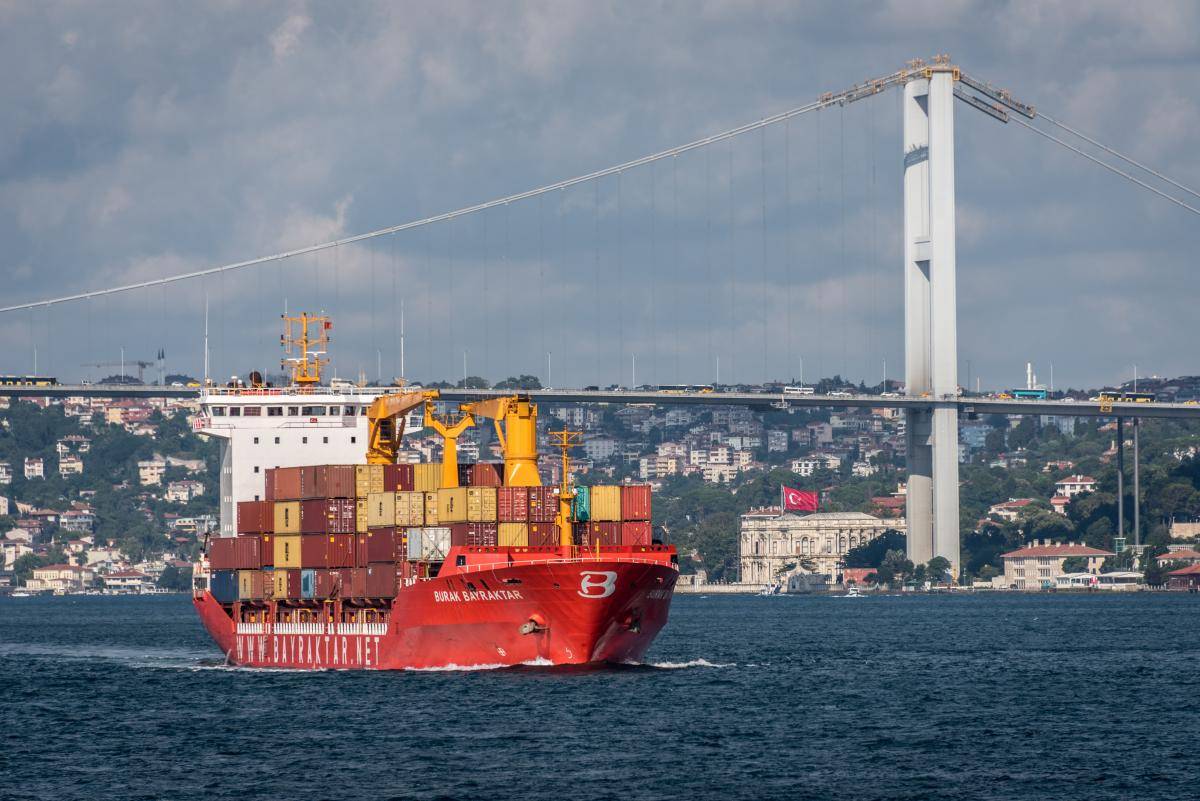

Turkey’s experience shows the challenges facing a non-member state in a formal customs arrangement with the EU. Post-Brexit Britain should seek a more intimate arrangement with the EU.
Prospects for Modernization and Lessons for Brexit
Chatham House briefing
Published 12 December 2018
Updated 14 December 2020
ISBN: 978 1 78413 305 4

Turkey’s experience shows the challenges facing a non-member state in a formal customs arrangement with the EU. Post-Brexit Britain should seek a more intimate arrangement with the EU.

In September 1963, after four years of negotiations, the then European Economic Community (EEC) and Turkey concluded an Association Agreement, also known as the Ankara Agreement (AA). This provided a framework for bilateral preferential market access for goods and called for the establishment of a CU as a stepping stone towards Turkey’s eventual EEC membership. In November 1970, the two countries signed an ‘Additional Protocol’, which progressively abolished tariffs and quotas on industrial goods according to a defined timetable. This protocol entered into force in 1973 and was followed by the CU, which became operational on 31 December 1995.1