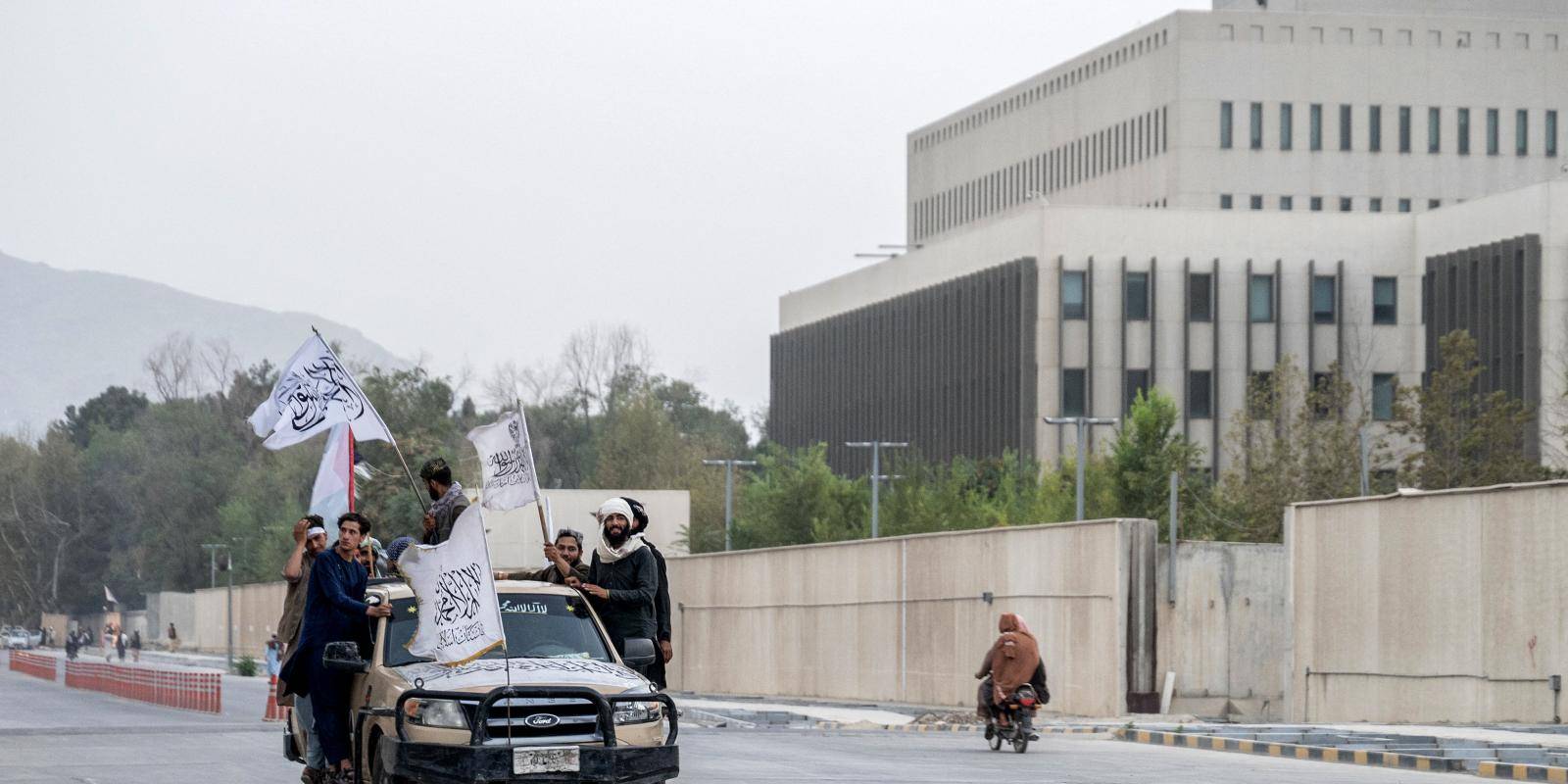

Four years after returning to power in Afghanistan, the Taliban regime marked the occasion as ‘Victory Day’ earlier this month. In the absence of any meaningful and sustained opposition, domestic or otherwise, the Taliban regime has consolidated its power in the years since 2021. Despite horrendous restrictions on women and girls, including a ban on female education beyond grade six, the Taliban regime’s power is buoyed by a combination of pragmatic, tacit and genuine endorsement at the regional level.
In April 2025, Russia’s supreme court suspended a ban on the Taliban, removing the group from Russia’s list of terror organizations. In July, Russia became the first – and so far the only – country to offer the Taliban government diplomatic recognition. Amir Khan Muttaqi, Taliban foreign minister, welcomed Moscow’s endorsement as ‘courageous’, arguing that this was simply accepting the reality in Afghanistan.
Reporting on Afghanistan has subsided as other conflicts, regions and issues have come to dominate headlines – except when it concerns Western domestic policy. Afghanistan returned to the UK news agenda when the Ministry of Defence admitted to dozens of data breaches concerning applications for relocation by Afghans who had worked with UK armed forces in Afghanistan.
The effects of sanctions
When the Taliban seized power, the internationally recognized government collapsed. The return of the Taliban and their self-proclaimed emirate (they officially refer to their government as the Islamic Emirate of Afghanistan) in 2021 triggered the imposition of international sanctions because many Taliban leaders – now government officials – were on sanctions lists. These sanctions, primarily imposed by the UN and the US, are not aimed at Afghanistan as a country. Instead, they target individual Taliban leaders and entities, and predate the group’s 2021 return to power. The US under the Biden administration also froze around $7 billion of Afghan state reserve assets.

The result has been a crippling set of restrictions on Afghan institutions – including the banking sector – and the private sector. Sanctions have left Afghanistan isolated and without access to international financial institutions. Already one of the poorest and aid-dependent countries in the world, the sanctions have been devastating for ordinary Afghans.
Foreign development aid for Afghanistan’s long-term state-building efforts, infrastructure projects and development agendas is suspended. Instead, international assistance goes almost entirely to the humanitarian budget which the UN and other aid actors disperse so that – it is argued – international funds do not end up in Taliban hands. Humanitarian and UN agencies in the country have raised the alarm about mounting levels of acute malnutrition affecting children and the elderly. The situation has deteriorated further following the Trump administration’s dismantling of USAID, which has significantly reduced aid funding for Afghanistan.
Regional and international engagement
Afghanistan’s economic stagnation is partly linked to sanctions, but Afghanistan’s socio-economic crises predate the Taliban. With an estimated population of 40 million, Afghanistan has persistently ranked in the ‘low human development’ tier for decades. Lacking international legitimacy, Taliban leaders know they cannot afford unmanageable domestic resentment sparked by socio-economic pressures. This partly explains the Taliban regime’s continuing desire to engage with the United States and the West more broadly. Primarily, the Taliban would like to see Western engagement result in the unfreezing of Afghan state assets and the removal of sanctions – goals that warm relationships with countries like China and Russia have not achieved.
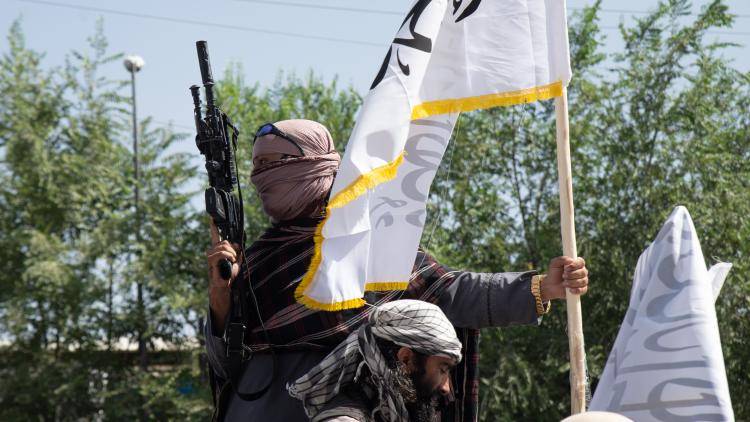
China and a host of other regional countries have established amicable relations with the Taliban government. But the financial vacuum left by the suspension of US-led Western development assistance remains unfilled. Taliban leaders have been pragmatic by continuing to highlight many regional countries’ main concern when it comes to Afghanistan: security. The Taliban government’s acceptance by regional states is a testament to the Taliban’s ability to project itself as the guarantor of security in Afghanistan.
Meanwhile, Western engagement on Taliban terms is unlikely, as it will mean discarding serious concerns about human rights – particularly women’s rights – in Afghanistan. However, there are signs of a changing political mood in parts of Europe. Norway and Germany already host Taliban-appointed officials in Afghan diplomatic missions to support consular services, while Switzerland reopened its key development agency’s office in Kabul this week, insisting the country was keen to support humanitarian efforts in Afghanistan.
This increasing engagement with Afghanistan is driven both by an acceptance that the Taliban government is here to stay and by domestic pressures around migration in the West – especially a push to deport failed Afghan asylum seekers from Europe. Senior British opposition figures in the Conservative Party have indicated they would be open to engaging the Taliban to facilitate such deportations. Taliban leaders would, unsurprisingly, be pleased by such developments.
Immediate prospects and challenges
The Taliban government has quashed any perceived or real opposition. Aside from its quest for external recognition, its main challenge is the socio-economic problems facing Afghanistan – and they are substantial.