

The people of Côte d’Ivoire are preparing to vote on 25 October in what should probably have been Africa’s most important election this year.
14 years of peace and sustained economic growth shows that the country has moved on from the conflicts and poisonous identity politics of the past, including the 2010–11 post-election crisis. The presidency of Alassane Ouattara has undoubtedly delivered progress, despite its flaws. But in an overwhelmingly youthful society, many ask if the 83-year-old incumbent should have made way for a younger candidate.
Unfortunately, Ivorian voters are not being offered much of a choice at all.
The two main opposition candidates, Tidjane Thiam of the PDCI and former president Laurent Gbagbo of the PPA-CI, have both been excluded from the race. Both have also refused to designate stand-ins to run in their place, meaning there are no candidates from the two leading opposition parties on the ballot.
Instead, Ouattara will face off against a clutch of candidates who are well known as individuals but lack the money and mobilizing capacity of a major political machine, such as former commerce minister Jean-Louis Billon and former first lady Simone Ehivet Gbagbo. A shock victory by one of these remaining challengers is unlikely.
Buoyed by the campaigning advantages of incumbency, Ouattara could well win with over 50 per cent of the vote in the 25 October first round, escaping the need for a final run-off contest.
A missed opportunity?
Côte d’Ivoire is a country with real diplomatic weight and its economy is one of the strongest on the African continent. Its elections matter. This one may prove to have been a missed opportunity.
Instead of a meaningful electoral choice between the top candidates for all the main parties, Ivorians must now settle for what will (for many) feel like no more than a confirmation election.
It is true that few Ivorians – except diehard opposition supporters – feel any overwhelming ill will against Ouattara. His non-confrontational approach along with a track record of economic progress and a generally capable administration has reassured citizens. Afrobarometer surveys find that 78 per cent of Ivorians think society has become safer over recent years and 79 per cent say the government’s performance in health, roads, electricity supply and national reconciliation has been good.
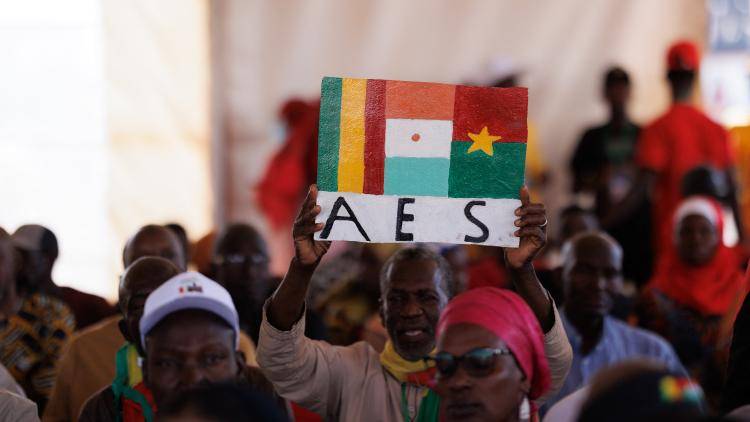
Moreover, his experience and international standing are clear assets at a time when the regional bloc ECOWAS has been shaken by the exit of three countries under military rule: Burkina Faso, Mali and Niger.
Yet many younger urban Ivorians, like their counterparts across West Africa, are disenchanted with the conventional political class. They want change, however vaguely defined. The exclusion of leading challengers from the race has effectively denied them that option.
Admittedly former president Gbagbo – himself already 80 – had limited popular appeal. But Thiam presented a real electoral threat to Ouattara.
He was a minister in the 1990s before embarking on a stellar business career in Europe as chief executive of Prudential and then Credit Suisse. Thiam returned home to re-enter politics and in 2023 he took up the leadership of the PDCI, the party created by his great-uncle and father of the nation, Félix Houphouët-Boigny.
Although not all Ivorian commentators believe Thiam could have mobilized voters on the scale required to defeat Ouattara and the ruling RHDP, he did look like the only person who stood a chance. But his presidential bid was sunk by a longstanding, if widely ignored, ban on dual nationality. Critics argued this issue could have been resolved to allow him to run but the government presented itself as a stickler for the rules.
Whatever the rights and wrongs of that argument, he is out of the race.
Challenges ahead
Ouattara’s challenges certainly will not end with the polls. Defusing resentment from those seeking change will be much harder than before.

When he dropped his publicly announced plan to retire and ran for a third term back in 2020, it followed the sudden death of his chosen political heir – so many Ivorians understood his reasons.
But the same cannot be said this time. Besides Thiam and other opponents, there were credible successors in the government camp too, as Ouattara himself publicly declared in a speech 10 months ago. Former prime minister Patrick Achi and vice-president Tiémoko Meyliet Koné were seen as potential successors. But they are capable rather than charismatic. So Ouattara may now seek to bring a new generation of talent to the fore, ready for 2030.
Having ultimately decided to run again himself, Outtara will have a lot to prove. He certainly will not want his mostly positive track record to be tarnished by a perceived slide into ageing, complacency or stagnation, occupying a purely symbolic role while his ministers make the real decisions.
As the leader of such a young nation, how will he sustain popular connection and show that he is the one driving progress?
There are options. As a former IMF deputy managing director, he will be key in any renaming or reform of the CFA franc regional currency – something demanded by urban progressives but a daunting technical challenge. He will also be hugely influential in efforts to reinvigorate ECOWAS through deeper economic integration to bring more tangible benefits to citizens.