
The changing of governments via democratic elections is not the norm in Southern Africa, a region characterized by dominant parties and national liberation movements. Peaceful transitions deserve notice.
The democratic change of government in Malawi shows that electoral frameworks and processes matter, voting patterns can change and parties can return to power after previous electoral losses.
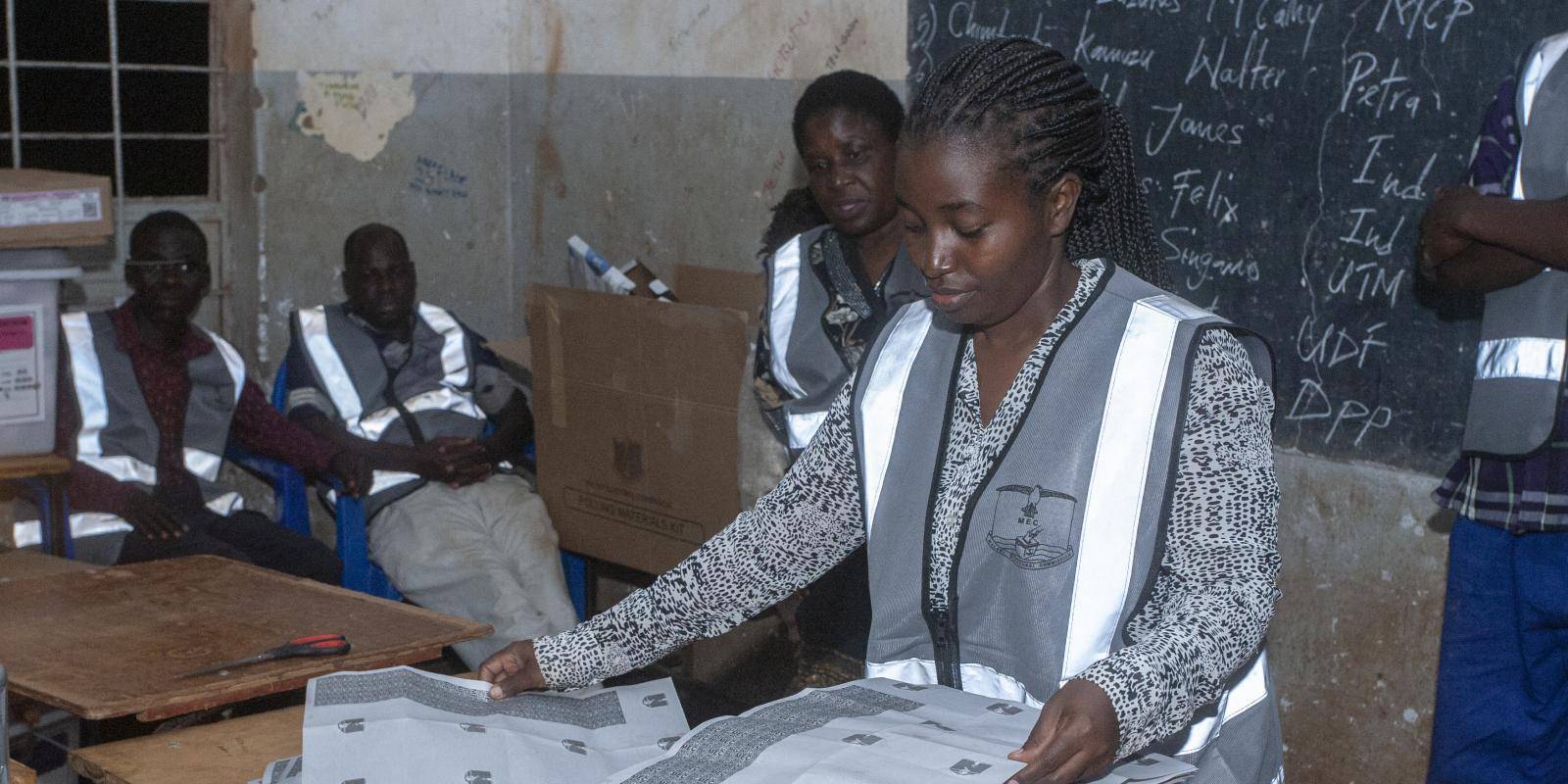
The September election resulted in a decisive victory for former President Peter Mutharika and the Democratic Progressive Party (DPP), which secured 56.8 per cent of the vote. Incumbent President Lazarus Chakwera and the Malawi Congress Party (MCP) conceded defeat, having come second with 33 per cent of the vote. The official turnout was 76.4 per cent.
This is only the second time since the 1990s that a party has achieved more than half of the vote in Malawi, a country where regional loyalties to the main parties have split the vote and prevented outright national majorities.
Economic factors contributed to the swing of support to Mutharika. Malawian citizens are deeply frustrated with persistent cost of living challenges including high inflation, fuel shortages, and a lack of access to foreign currency. These concerns are exacerbated by a sense of increasing corruption in a country that has struggled to reduce poverty rates.
For many voters, it seems memories of the relative economic stability of Mutharika’s past tenure were more important than the presentation of forward-looking new policy ideas.
The election was also influenced by the absence of former vice president Saulos Chilima, who died in a plane crash in 2024. Chilima – who served as vice president first under both Mutharika and then Chakwera – had played a kingmaker role in past elections.
Since Chilima’s death, his United Transformation Movement (UTM) has had little time to embed a new leader with equal charisma to attract younger voters and repeat its past kingmaker role.
Absolute majority
The most important implication of Mutharika’s election victory is that it occurred in only the second presidential election to take place under a new electoral system, in which an absolute majority is required to win.
The ‘50%+1’ electoral system replaced a first-past-the-post system for presidential elections in 2020. It requires a second round run-off if no candidate secures an absolute majority of more than 50 per cent in the first round. In this case, a run-off was not necessary, due to Mutharika winning 56.8 per cent of the vote.
The ‘50%+1’ rule was brought in through a judicial ruling over the disputed 2019 election. President Mutharika had been declared the winner of that contest, but a judicial decision annulled the election, alleging ‘widespread, systematic, and grave irregularities’, and ordered a re-run.
The judges involved in the decision won the 2020 Chatham House Prize for their upholding of the rule of law ‘despite high-level bribery attempts and threats.’ However, the electoral rule introduced by their decision was controversial.
The 2020 re-run of the disputed election saw similar voting patterns to 2019, with Mutharika actually slightly increasing his vote share. However, it led to a different result due to a coalition between MCP and UTM, the second and third largest parties in the initial vote. With the UTM’s Chilima as his running mate, Chakwera secured more than 50 per cent of the vote and claimed the presidency.
It may be too soon to say whether the implementation of the new rule impacted voter behaviour. However, the delivery of a decisive result led to a fast concession of defeat by President Chakwera. It also relieved pressure on the judiciary and reduced the potential for electoral violence, which had been identified as challenges by international observers.
‘You miss me, right?’
The other lesson for regional leaders is that political leaders who are voted out have a chance to win back office through legitimate, rules-based political competition.
Incoming President Mutharika led Malawi from 2014 to 2020 and is now returning to power via the ballot box. The 85-year-old argued life had been better under his presidency, telling voters ‘You miss me, right? You have suffered, right?’ in his short campaign speeches.