

November’s G20 summit in Johannesburg is a time for the UK to make some important decisions.
Britain will co-host an event in the margins of the summit, discussing replenishing finances for the Global Fund for Aids, TB and malaria. It will do so amid speculation that it may cut its own promised contribution to the fund. This is one of several areas where the UK’s decision to cut aid spending to 0.3 per cent of GNI is working its way through to choices about specific funds – in a year when aid spending across the Western world has also been dramatically cut.
The UK is also set to host the 2027 G20 summit. It will need to start planning now how to host a constructive G20, when Western aid cuts will have started to bite, and following a US-hosted summit in 2026 – which may well be a difficult year for the grouping given the approach of the Trump administration to global cooperation in general.
An interim step the UK could take now would be to move forward plans to host a global conference on the future of development in 2026 – an idea originally floated last spring.
Convening the proposed summit on the future of development – and subsequently hosting the G20 – could be an opportunity for the UK to work with others to revive the parts of the multilateral system that are crucial – and reform the parts that are not.
The UK is not alone among donors in cutting its aid spending recently. But it has signalled it will seek to preserve funding to key international organizations. That is in contrast to the administration of US President Donald Trump, which has both dramatically reduced funding – not just for aid, but for international organizations more broadly – and is taking an increasingly adversarial attitude to multilateral cooperation. (The US is conspicuously not taking part in the G20 meeting in Johannesburg).
A UK-led effort, involving fellow donors, new funders, and partners in the Global South, could focus on planning an active and pragmatic response to these shifts, rather than being forced to react as cuts begin to hit and institutions become less effective.
It could be an opportunity to have frank conversations about the parts of the system that are fragmented and inefficient, and parts that are essential to global health, trade, and security.
Chatham House’s paper, published today, outlines in more depth the potential security and geopolitical fallout from this year’s dramatic aid cuts, the US’s increasing rejection of multilateral cooperation, and ways the UK could respond.
Global aid in retreat – and the security and geopolitical fallout
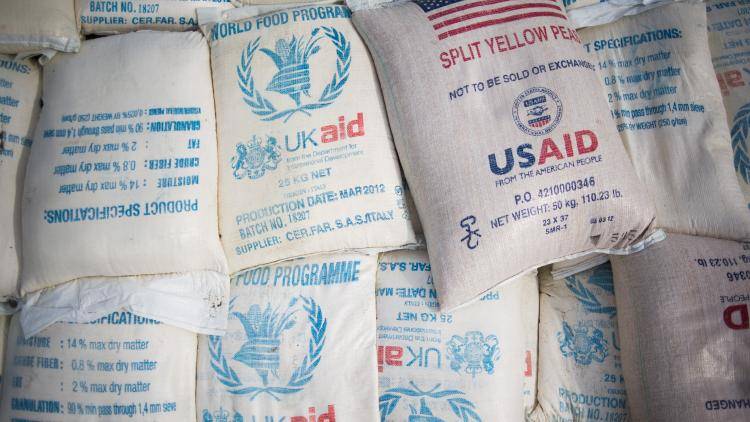
Major donors – including the UK, US, France, Germany and Sweden – have all cut their official development assistance (ODA) in the past year. The UK’s aid spending will fall from 0.5 per cent to 0.3 per cent of GNI by 2027 – its lowest share since 1999.
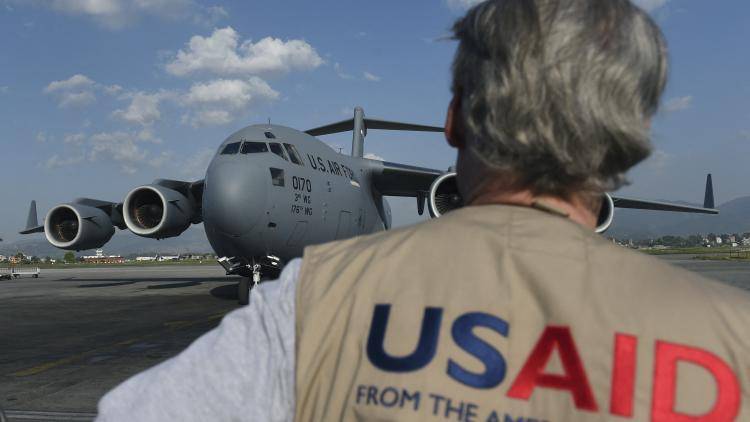
But most consequentially, the Trump administration has shuttered USAID and cancelled over 80 per cent of its aid contracts. Projections suggest that taken together, the 17 largest aid donors are expected to cut more than $60 billion in aid between 2023 and 2026.
While aid spending overall spiked in the early 2020s, much of this was either new or diverted spending for the Ukraine crisis. The cuts in the next few years will have major consequences. They are already causing disruption to the provision of basic health and emergency services, and the human fallout will continue to be significant.
This will have long-term implications for global collective security. Changing patterns of aid spending and weakened multilateral institutions will likely mean reduced international support and assistance for the grouping of roughly 35-40 countries consistently affected in recent decades by conflict and fragility. These states have remained persistently mired in conflict. Increasingly, they are where the most extreme poverty in the world is concentrated.
Reduced aid resources will make it harder to coordinate the kind of complex, dogged action required to prevent conflicts from erupting in the first place and to broker and safeguard peace. What aid spending remains may be diverted to immediate emergency response, or conversely, to investments in wealthier and more stable developing countries where impact can be more easily achieved and measured.
That will increase the likelihood that long running regional conflicts grow and intensify, spilling over into refugee crises, disrupting supply chains and trade, and providing fertile ground for organized crime and extremist movements.