

Water has long been entangled with the political and security dynamics between India and Pakistan. The Indus River Basin is a lifeline for more than 300 million people across both countries, supporting agriculture, energy production and livelihoods. Signed in 1960, the Indus Waters Treaty divided the basin’s rivers between India and Pakistan while establishing detailed rules for cooperation, data sharing and dispute resolution. For more than six decades, it proved remarkably durable and acted as a stabilizing force for broader India-Pakistan relations. It has survived three wars and prolonged periods of diplomatic freeze, offering a rare pathway for cooperation.
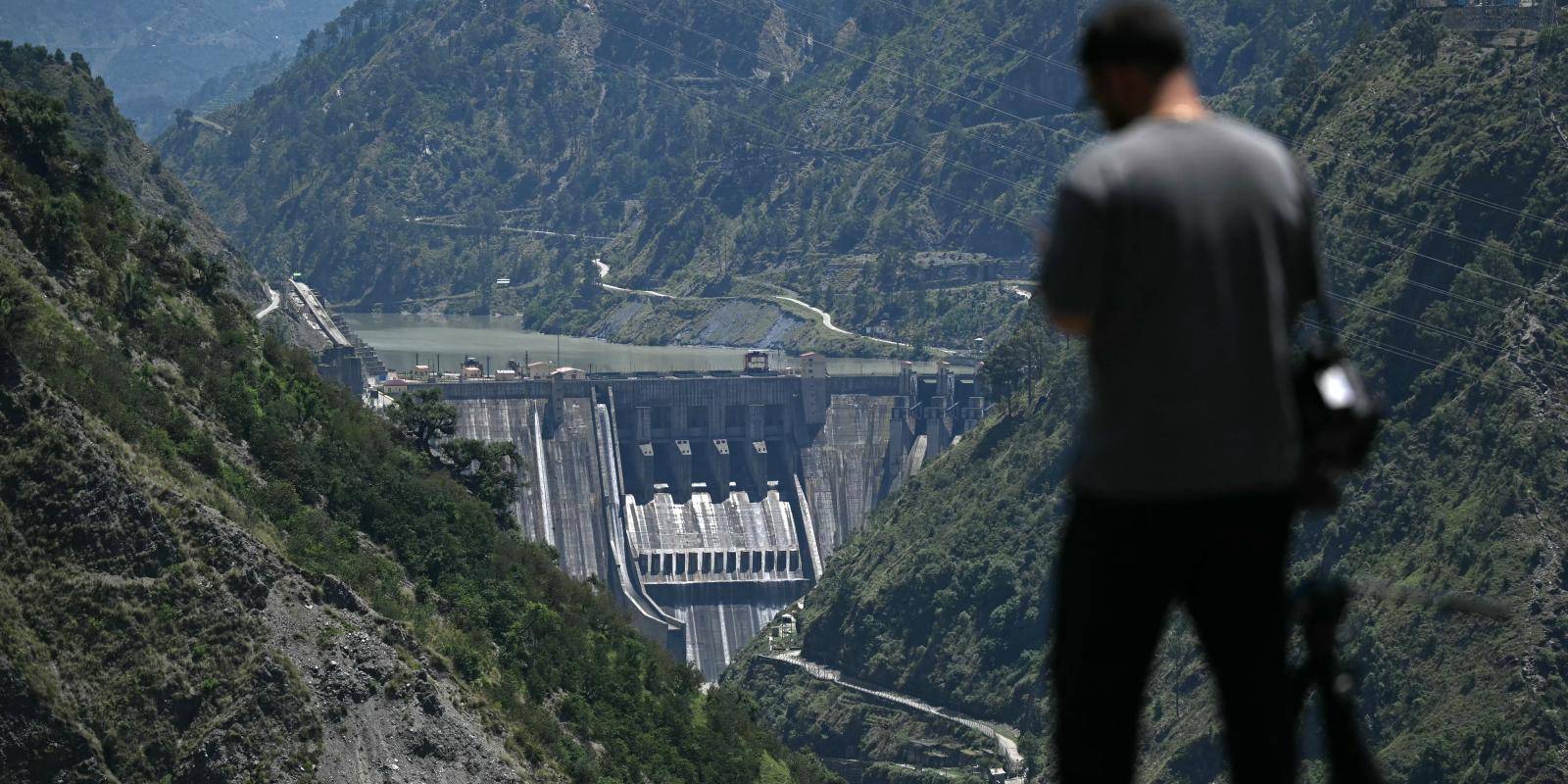
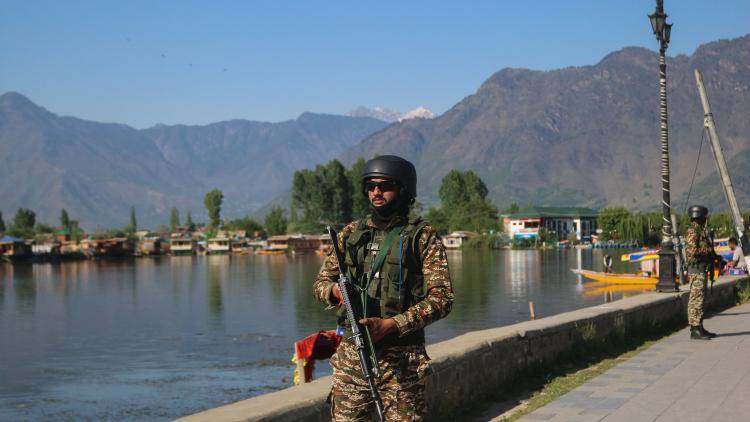
But in recent years, the treaty had come under increasing strain. Following a militant attack in Pahalgam, Kashmir, in April 2025 – for which India blamed Pakistan but Islamabad denied involvement – India chose to temporarily suspend its participation in the treaty and subsequently restricted the flow of water for short periods through the Baglihar and Kishanganga dams. Water scarcity during summer could increase the likelihood of India reducing downstream river flows into Pakistan, critical for irrigation, drinking supplies and hydropower generation. Should India’s reservoir storage capacities improve amid surging water scarcity, there are risks of an escalating crisis.
India’s decision to suspend the treaty not only significantly erodes the predictability and stability it had provided but also underscores how water can exacerbate tensions and even be instrumentalized as a tool of conflict – especially in the context of geopolitical rivalry.
An enduring treaty under pressure
The long-standing resilience of the Indus Waters Treaty rested on a shared understanding: that water cooperation could be at least partially insulated from broader geopolitical rivalry. However, this equilibrium has come under increasing strain in recent years.
The hydrological conditions of the Indus Basin are shifting rapidly. The area has some of the highest rates of glacial retreat globally – perennial snow and ice cover in the Indus declined by up to 24.8 per cent between 2001 and 2021 – while shifts in the timing and intensity of the Asian Summer Monsoon are reshaping shared water availability in the region. But the treaty itself predates modern climate science and rests on outdated hydrological assumptions, lacking mechanisms to factor for glacial retreat and largely ignoring groundwater depletion, now a critical stress point. Addressing these gaps is in the shared interest of both India and Pakistan.
Both countries also have growing populations and water demand, meaning pressures on water resources are mounting. In this context, a growing number of run-of-the-river hydropower projects on the western rivers allocated to Pakistan – combined with concerns over cumulative impacts, design specifications and flow timing – have made technical disputes more frequent and increasingly politicized.
Meanwhile, India’s suspension of the treaty in response to security concerns signals a broader shift in bilateral relations, with water emerging as a geopolitical lever. As trust declines and treaty interpretations diverge, dispute resolution has become more difficult. Historically, the Indus Waters Treaty’s institutional framework – through the Permanent Indus Commission and third-party processes – has enabled data sharing and helped manage disputes, such as over the Baglihar dam.
Global lessons in transboundary water cooperation
Lessons from beyond South Asia underscore the importance of cooperation and show how some of these pressures can be alleviated.
The experience of the Aral Sea basin, often cited as one of the world’s most severe environmental disasters, demonstrates both the consequences of poor water governance and the potential for partial recovery through cooperation. Decades of unsustainable water diversion devastated ecosystems, economies, and public health across Central Asia. However, recent efforts – particularly in the North Aral Sea – have shown that coordinated action and international support can restore water levels, revive fisheries and improve local livelihoods.
In the Mekong Delta, the Mekong River Commission brings together Cambodia, Laos, Thailand and Vietnam in a shared governance framework that facilitates dialogue, joint flood and drought monitoring, and advance notification of major upstream projects. After facing similar pressures and distrust as the Indus treaty, cooperation on ecosystem restoration to help protect water resources has helped rebuild trust among the commission’s stakeholders.
Similarly, in the Senegal River Basin, the Organisation pour la mise en valeur du fleuve Sénégal (OMVS) enables Mali, Mauritania and Senegal to jointly manage infrastructure and share benefits, helping reduce conflict while supporting more coordinated water management.
While the Indus context is very different, the underlying lesson is relevant: even deeply entrenched water challenges can be addressed when governance structures are strengthened, information is shared, and stakeholders recognize their interdependence.
Harnessing water for peace and stability
As demonstrated by the situation in the Indus Basin, water governance tends to remain siloed from broader stabilization and peacebuilding efforts. Too often treated as a technical domain for engineers and specialists, water is excluded from political negotiation and conflict resolution. But this limits the potential of water diplomacy to contribute to stability.
Integrating water governance into mediation, stabilization and reconstruction efforts can help bridge this gap. In practice, this means involving water experts in negotiations to address resource-sharing in peace agreements and align infrastructure investment with confidence-building measures. A useful example is the Jordan–Israel Peace Treaty, which includes detailed provisions on water allocation and cooperation in the Jordan River basin. Despite broader political tensions and a fragile relationship between Jordan and Israel, these arrangements have largely endured, supporting Jordan’s water security and sustaining coordination.
In the case of India and Pakistan, the situation highlights the need for international actors to support water diplomacy as part of their engagement in fragile and conflict-affected regions. This includes providing technical assistance, facilitating dialogue and helping to finance projects that deliver shared benefits. It also requires patience: rebuilding trust around shared resources is a gradual process, particularly where political tensions run deep.