

European governments, most of which rely on oil and gas imports to fuel their economies, have been nervously watching prices climb and storage levels fall in the weeks since the US-Israeli attack on Iran triggered the closure of the Strait of Hormuz.
They could be forgiven for being relieved by this week’s news of a US-Iran framework agreement that promises to enable ships to transit the Strait, through which approximately one-fifth of oil and liquefied natural gas (LNG) flowed before the war.
This would be premature, however. Even in the event of a lasting deal, it will take months for shipping flows to fully resume. Logistically, it will take time to reschedule routes efficiently as ships struggle to transit the strait and supply chains are disrupted. Crucially, insurance and shipping firms must be convinced of safe passage in the long term, which remains uncertain.
More importantly, the war has reconfigured the global LNG market, on which Europe increasingly depends, in ways that are unfavourable to its energy security. This reconfiguration will continue to weigh on Europe, irrespective of any deal.
Supply
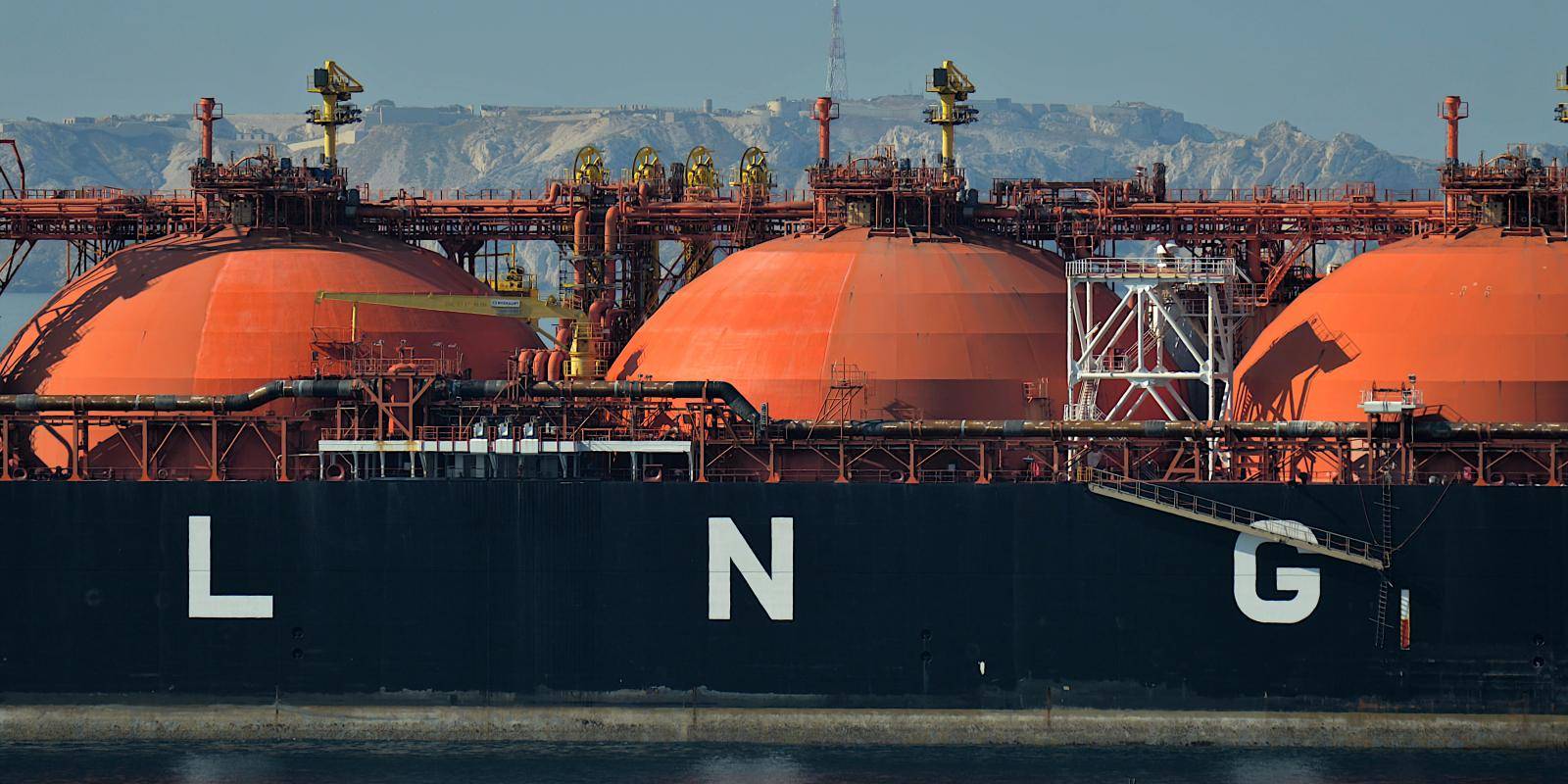
Since the dramatic reduction in pipeline flows to Europe from Russia in 2022 after its invasion of Ukraine, Europe has imported growing quantities of LNG from the US. In 2021, 28 per cent of Europe’s LNG was sourced from the US; by 2025, this had grown to 58 per cent. Data from the first quarter of 2026 indicates it had reached 63 per cent.
Europe was expected to increasingly turn to Qatar as a major provider of its LNG. Before the war, the Gulf nation was aiming to double its LNG export capacity by 2030 (based on its 2025 levels); this would have cemented Qatar as the second largest exporter of LNG globally, behind only the US.
For Europe, this would have provided much-needed diversity of supply in its highly concentrated gas supply mix. But severe damage inflicted by Iranian missiles during the war has taken out roughly a sixth of Qatar’s export capacity.
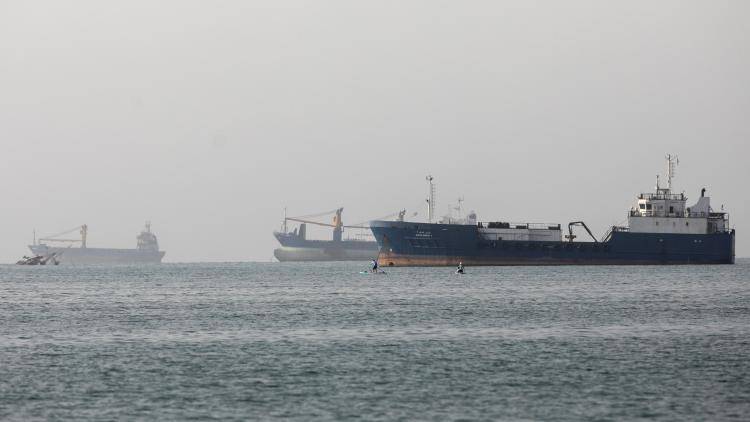
Although a concrete deal would allow Qatar to restart exports in the coming months, the damaged capacity may take several years to come back online, while export capacity expansion is set to be delayed. Some planned projects may not materialize at all: LNG from the Gulf will henceforth likely carry a geopolitical risk premium that takes into account any potential closures or conflict in the Strait.
Europe’s reliance on US LNG may therefore be expected to increase and extend further into the future, especially considering the decision of the EU27 to ban all Russian gas imports before the end of 2027. Accounting for both pipeline and LNG flows, it is possible that in 2026 the US will overtake Norway to become Europe’s largest overall supplier of gas, just as Russia was before 2022.
This dependency exposes Europe to potential coercion by the US, which has made clear its intention to use energy exports for geopolitical leverage. It also diminishes the continent’s ability to set terms. This can be seen in the anticipated watering down of EU rules, under US pressure, aiming to reduce methane emissions associated with LNG production.
Price
While market optimism around the provisional US-Iran agreement has caused headline oil and gas prices to fall, the European gas price is unlikely to return to pre-war levels, compounding the stubbornly higher prices that have plagued the continent since the 2022 gas crisis linked to Russia’s invasion of Ukraine.
Gas storage across Europe remains low at 45 per cent, compared to a seasonal average of 55 per cent. The need to refill storage before the cold winter months will drive demand up through the summer and autumn.
LNG relies on specialized infrastructure which restricts its supply to a greater extent than with oil. Pre-war, most Qatari LNG went to Asia. With Qatari supply curtailed, Asian and European buyers have been competing more fiercely for the same limited supply, and this bidding war is pushing up prices. Looking ahead, Asian demand is likely to be even higher than usual due to El Niño weather patterns, increasing demand for air-conditioning.
So far, US natural gas prices have remained low as export infrastructure capacity has limited exports, while production has increased as a by-product of increased oil drilling.
But the US plans to boost LNG exports by nearly 30 per cent next year, and more than double them by 2029, with a massive buildout of new LNG export infrastructure. This will likely place upwards pressure on US prices and deepen the link between US prices and higher European and Asian prices.