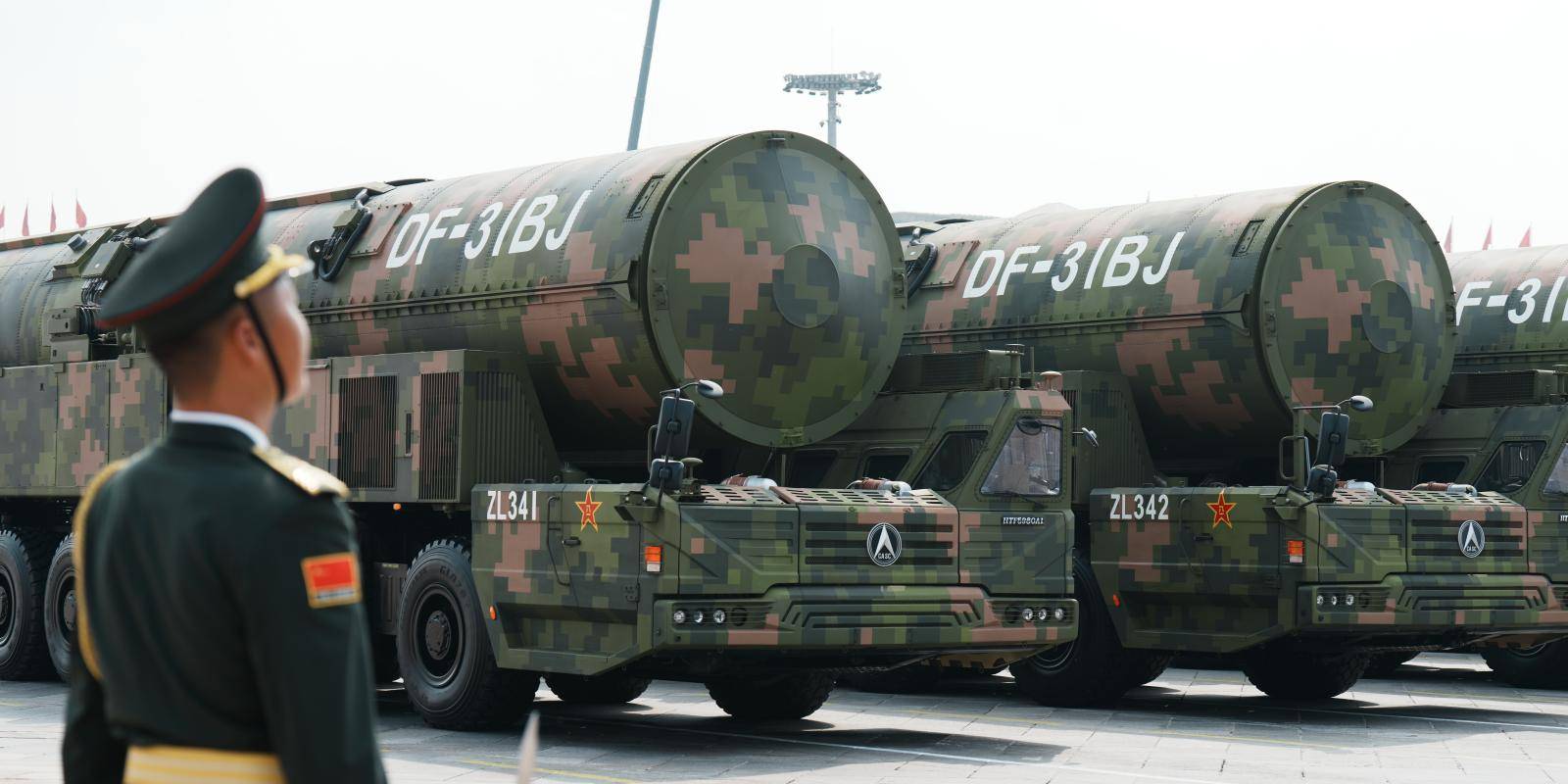

Increasing global tensions have led some experts to suggest that formal control of nuclear weapons is no longer feasible. Some strategists in nuclear weapons states are even questioning whether it is desirable. This uncertainty over arms control provides a tense backdrop for the 2026 Review Conference of the Non-Proliferation Treaty (NPT).
This research paper examines the current status of four key relationships between nuclear weapons states – those between the US and Russia; the US and China; the N5 group of states signed up to the NPT (China, France, Russia, the UK and the US); and India and Pakistan.
The paper argues that there is still potential to avoid a costly new arms race and makes recommendations on what can be achieved – and how.
DOI: 10.55317/9781784136741