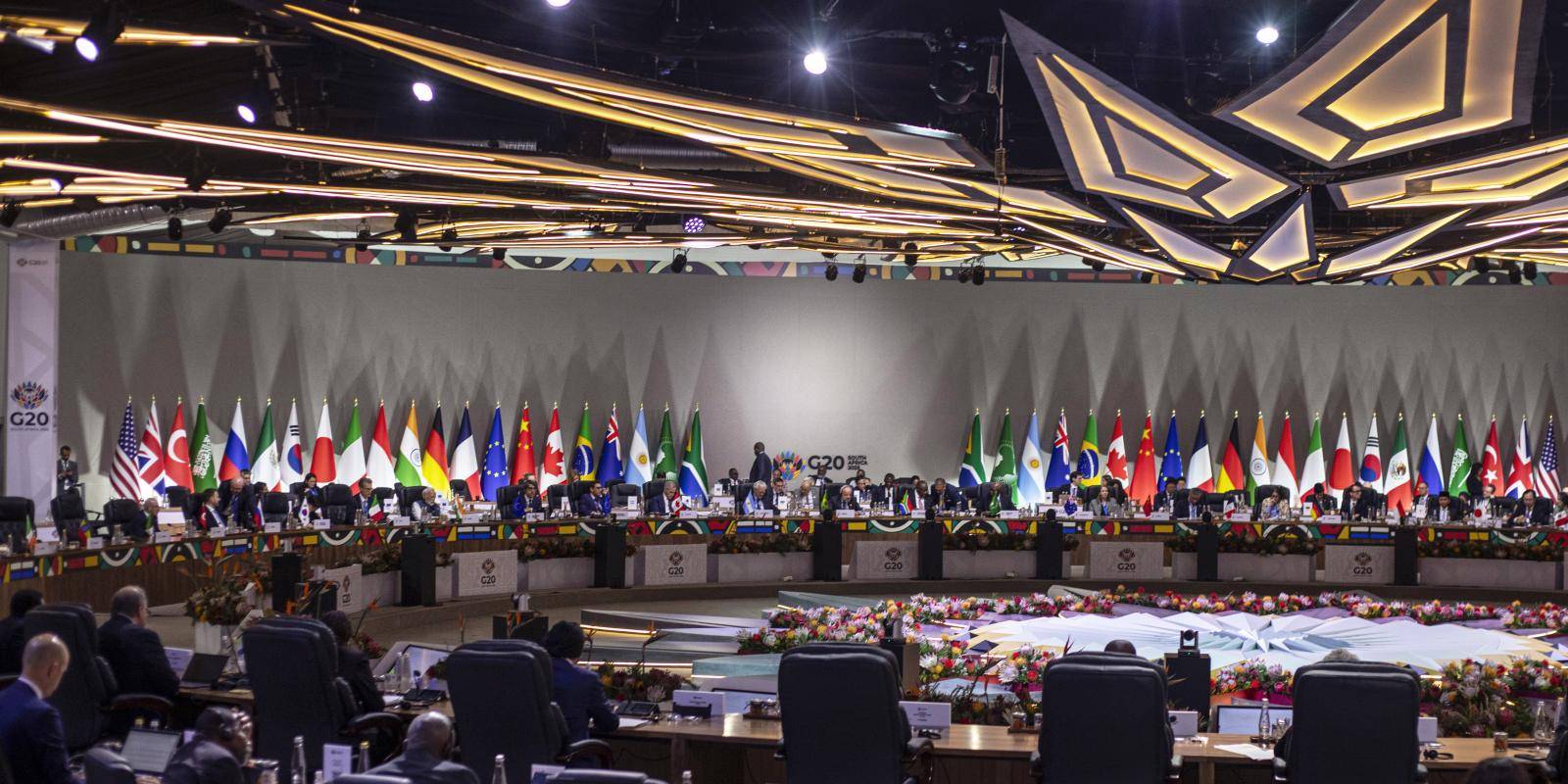

Since Donald Trump took office again in early 2025, his administration’s economic policies – in such areas as trade, energy security, climate change, financial/monetary stability and international aid – have together constituted a dramatic break with the post-war economic consensus. This report considers how other countries can best respond to this ‘Trump shock’ as well as to China’s longer-term resistance to some critical international economic norms.
The report advocates the establishment of a permanent alliance of market-oriented economies – a ‘third pole’ in the global economy. Its goal would be to preserve and improve, in the largest economic space possible, the core principles and rules of economic openness, absence of coercion and pursuit of mutual benefit.
The group would be open in principle to all but would not, for the foreseeable future, include either the US or China. To be large enough to be effective, without being unwieldy, the third pole should have at its core the EU and the 12 countries of the Comprehensive and Progressive Agreement for Trans-Pacific Partnership (CPTPP), plus potentially some other major economies whose objectives are aligned with those of the pole, such as Brazil, South Africa and South Korea.
DOI: 10.55317/9781784136802