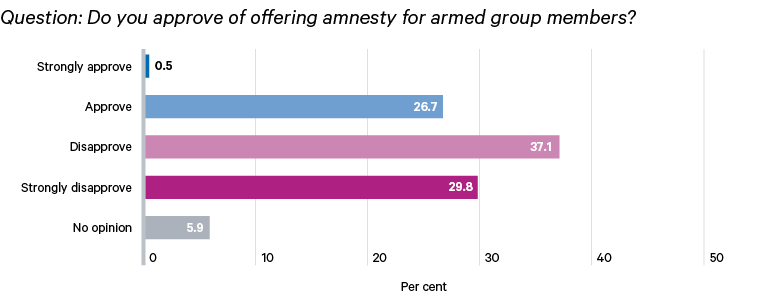
Haitians’ ambivalence towards reintegration indicates the need to foster better public understanding of distinctions between ‘amnesty’ and DDR; the latter could and should include some formal process for providing evaluation, education and psychosocial support to gang members who wish to be reintegrated into society, as well as a mechanism for working with communities to ensure reintegration is accepted by local residents.
The mandate of the UN Integrated Office in Haiti (BINUH) includes support for designing DDR methods. These will need to take into account international law, the Paris Principles, and the need for gang-member reintegration to be peaceful, conducive to stability, and responsive to citizens’ perceptions and concerns. Lessons from other countries, including in Latin America, Central America and Africa, can potentially be adapted to the Haitian context, and can shed light on the benefits and potential pitfalls of different approaches to DDR.
Despite suspicion of the political and ethical compromises that can accompany DDR, a large majority of Haitians nonetheless believe that it is important to create jobs for gang members in the formal economy. Just under 60 per cent of respondents ‘approve’ or ‘approve strongly’ of the idea of creating formal, legal employment opportunities for former gang members.
These attitudes give hope to the idea that a viable path exists for the social reintegration of gang members who have been caught up in the country’s security crisis, especially given that rank-and-file members have often been implicated in criminal activity as a result of indiscriminate, violent recruitment by gangs. The findings also underline popular recognition of the fact that economic development is essential for Haiti’s broader security.
Haitians’ attitudes towards elections, voting and their political class
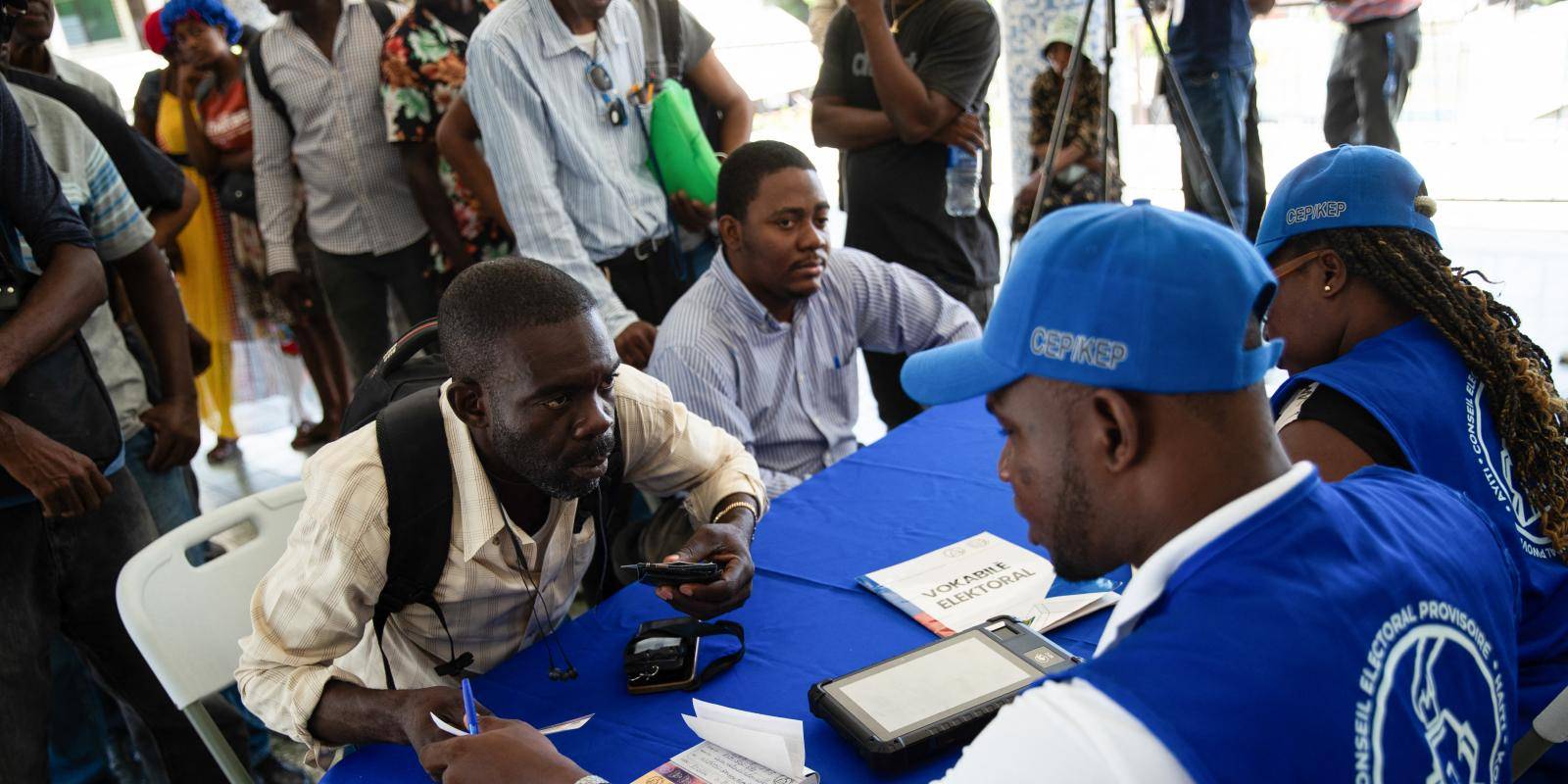
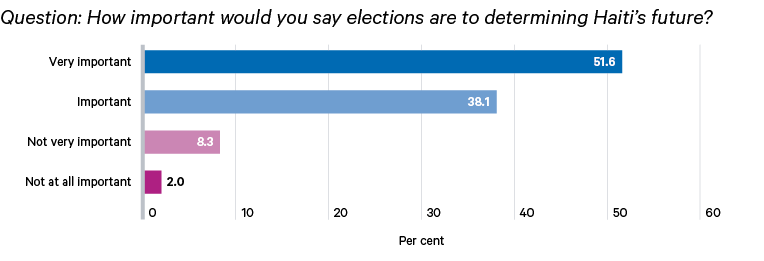
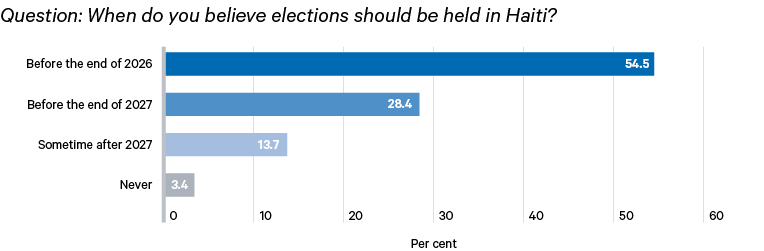
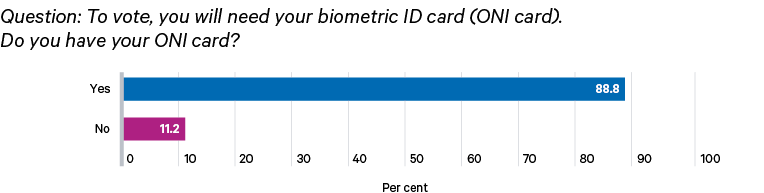
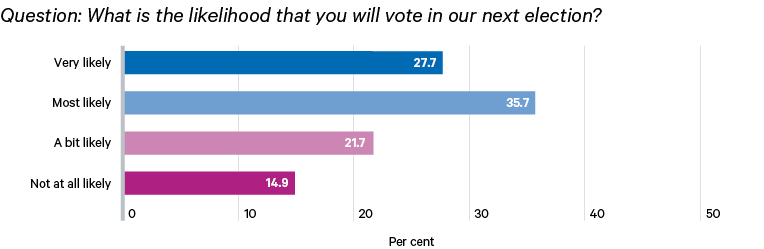
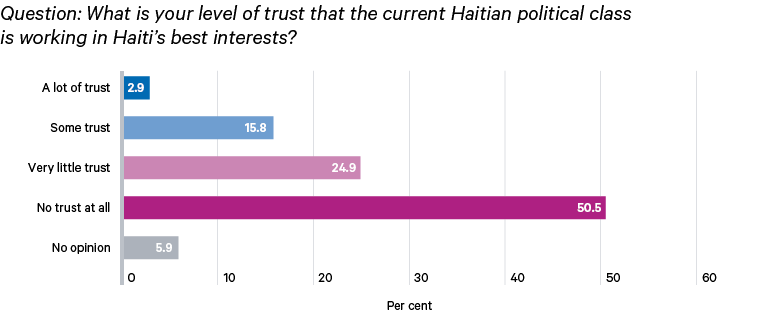
There has not been an election in Haiti for 10 years, and no elected officials have occupied any government position – from local to national – for three years. The international community has pressed for an electoral timetable, despite concerns over security, institutional capacity and political fragmentation – as well as the risk that holding elections too soon could open the way for gang leaders, whether directly (through running their own gang-linked candidates) or indirectly (through coercion or bribery of candidates), to gain government representation. At the same time, Haitians are overwhelmingly supportive of elections and want them soon. The hurdles and risks, though, remain.