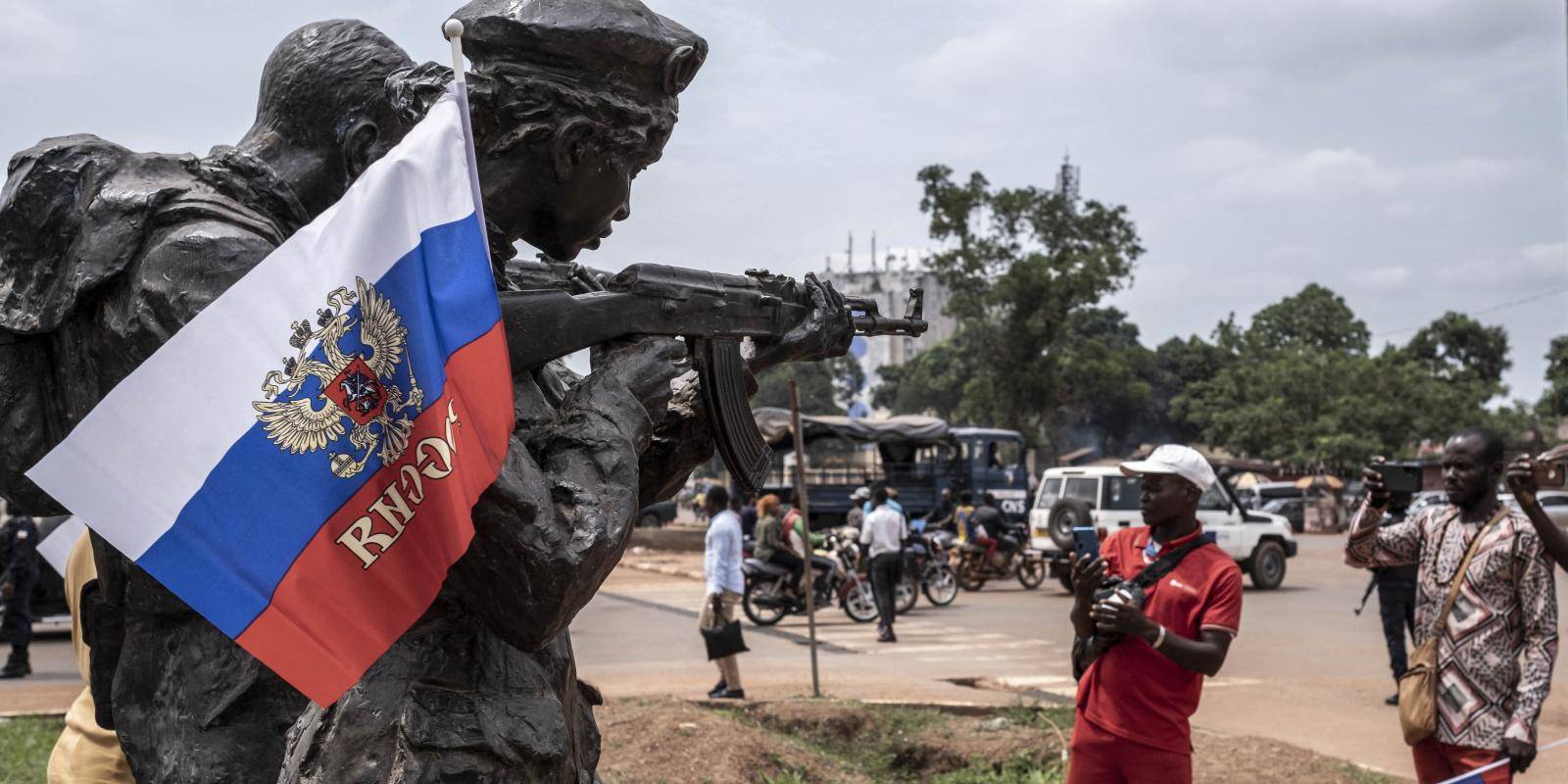

The third Russia–Africa Summit, which was initially announced to take place in Libya, will now take place in Moscow on 28–29 October. The summit is being portrayed as a test of Russia’s growing influence across Africa.
Once again, considerable emphasis is being placed on how many African leaders will be attending the gathering. The Kremlin says 22 African heads of state are attending, a slight increase on the 17 that attended the summit’s second edition in St Petersburg in 2023. That marked a significant decrease from the 43 leaders that were present at the inaugural summit in Sochi in 2019. Then, the Kremlin attributed the lower turnout to ‘outrageous’ Western pressure.
Attendance at the summit, however, is a poor measure of durable partnerships. This is particularly the case as the constraints of Russia’s partnership have become harder for African governments to overlook.
While Russian engagement with Africa has expanded in recent years, its economic delivery remains limited and the outcomes of its security role in the Sahel have been uneven. The summit may therefore lead to new agreements, but with the war in Ukraine still constraining Russia’s resources, it is unlikely to change these fundamental dynamics.
Summit priorities
Russia’s interest in Africa reflects its own priorities. These include countering Western influence, building non-aligned partnerships and advancing multilateral reform. Expanding defence sales, securing minerals access and mitigating the impact of sanctions are also priorities.
Moscow has pursued these objectives partly by using the BRICS grouping, which includes South Africa, Egypt and Ethiopia. It has also maintained its own bilateral political, security and economic relationships.
The summit, which will be accompanied by an economic and humanitarian forum, speaks directly to Moscow’s interests while also responding to African priorities. It is expected to promote new payment systems, reform of global financial institutions, stronger African representation at international organizations and opposition to unilateral sanctions. It will also discuss trade and investment, food and energy security, nuclear energy, technology and security cooperation.
The summit is expected to produce a joint declaration, a separate declaration on AI cooperation, and an action plan for 2027–2029.
Russia’s deepening footprint
Security has been one of Russia’s main focuses in Africa. Since 2023, Africa Corps – the Russian state-controlled paramilitary force that replaced the Wagner Group – has expanded its presence. It has deployed beyond Mali, the Central African Republic and Libya to Burkina Faso and Niger. There are also reports pointing at possible deployments in Togo, which signed a military cooperation agreement with Moscow in 2025.
As insurgent attacks persist in the Sahel, Russia has deepened its ties with the Alliance of Sahel States (Mali, Burkina Faso and Niger), pledging military and technical support. The three states have increasingly turned to Russia for security and diplomatic support following their break from the Economic Community of West African States (ECOWAS), and amid deteriorating relations with Western partners. Russia is also pursuing a parallel security cooperation agreement with ECOWAS, which will cover the broader region.

Diplomatically, Moscow has expanded its network of embassies on the continent, with planned missions bringing the total to 49. Russia has also sought to extend its diplomatic reach to the Horn of Africa amid rising tensions there, offering to mediate between Ethiopia and Eritrea on the margins of the summit in Moscow. The proposal signals Moscow’s ambition to position itself as a security interlocutor beyond the Sahel, although it remains an offer rather than a confirmed mediation effort.
Russia has also sought to deepen its economic footprint in Africa. Russian agricultural exports to Africa grew 35 percent in value in the first half of 2026, to $2.9 billion, with wheat shipments reaching record volumes.
It has signed intergovernmental nuclear cooperation agreements with at least 15 African states. For example, Rosatom, the Russian state nuclear corporation, signed an agreement to build a nuclear power plant in Ethiopia.
Russia is also working with the African Union. At a July 2026 consultation in Addis Ababa, both sides committed to annual high-level political consultations and to launch sectoral dialogues.
Limited returns
However, despite Russia’s deepening involvement in sectors such as energy and agricultural exports, trade between Africa and Russia is estimated at $27 billion in 2025, well below the $40 billion target announced by Putin in 2019. It also pales in comparison to the EU’s €355 billion ($395 billon) and China’s $348 billion of recorded trade with Africa in 2025.
In June, Russia’s foreign ministry acknowledged at a forum in St Petersburg that previous summits had produced more declaration than deals. It promised this third summit will be different.

Agreements on nuclear power are yet to translate into completed projects. Egypt’s El Dabaa plant is still under construction. Ethiopia’s nuclear power plant is still at a prospective stage.
Even in defence, the picture is not favourable. Russian global arms exports declined by 64 percent in 2021-2025. Russia ranked third, behind the US and China, in major arms supply to Africa during the same period.
Russia’s increased security role in the Sahel has also failed to deliver reliable security guarantees. Annual deaths linked to violent extremism in the Sahel have increased from an average of 927 in 2016–2019 to an average of 10,470 in 2022–2025.
In April 2026, a coalition of Tuareg separatists and al-Qaeda-linked jihadists killed Mali’s defence Minister and forced Africa Corps personnel to withdraw from the northern city of Kidal. Russian-backed forces subsequently regained control of Kidal in October, but the episode has exposed the limits of their security model.
Russian-linked actors have sought to offset the costs of the war through security-for-resources arrangements, including control of and revenue from African gold mines; the US Treasury reports that gold and other African resources have helped Russia evade sanctions and fund its military efforts in Ukraine.
There is also the question of the extent to which Russia can sustain its security commitments in Africa while its resources and attention remain stretched by the war in Ukraine.
Recruiting for the Ukraine war
Russia’s recruitment of African citizens to fight in Ukraine has become a reputational liability. A recent investigation cited by African media outlets estimated that more than 3,000 African citizens from 40 countries were recruited into Russia’s armed forces between October 2022 and June 2026, often through deception and promises of civilian jobs. Bloomberg reported this week that Moscow has been widening its recruitment drive in countries including Zimbabwe, Burundi and Sierra Leone.
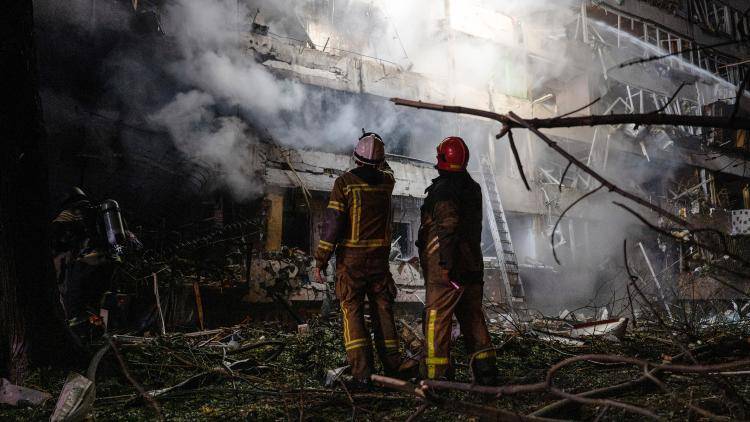
African countries including Kenya and South Africa have sought to stop the recruitment of their citizens. During a visit to Moscow in April, Kenya’s foreign minister Musalia Mudavadi said that Moscow and Nairobi had agreed that Kenyan nationals would no longer be enlisted by Russia’s ministry of defence. Russia’s embassy in Nairobi had denied any involvement in recruitment.
An Afrobarometer survey of citizens across 38 African countries in 2024–2025 found that the perception of Russian influence was far less positive than that of China, the US, the EU and others, and 72 per cent of those who had heard of the Ukraine war wanted their country to remain neutral in it.
From rhetoric to delivery
The pattern of African engagement with Russia is best understood as diversified non-alignment. African governments see Moscow as one of several partners with whom they can pursue their interests in trade, security and greater representation in international forums.
With Russia’s capacity constrained by the war in Ukraine, which continues to drain resources and diplomatic bandwidth, the real test is whether Moscow can convert political declarations and security interests into concrete, deliverable commitments in other fields.
Ultimately, Russia’s standing as a partner will depend on its ability to provide sustained economic benefits, reliable security partnerships and tangible outcomes for African countries. The summit will indicate the scale of Moscow’s ambitions; the years that follow will reveal how far it can realistically meet them.