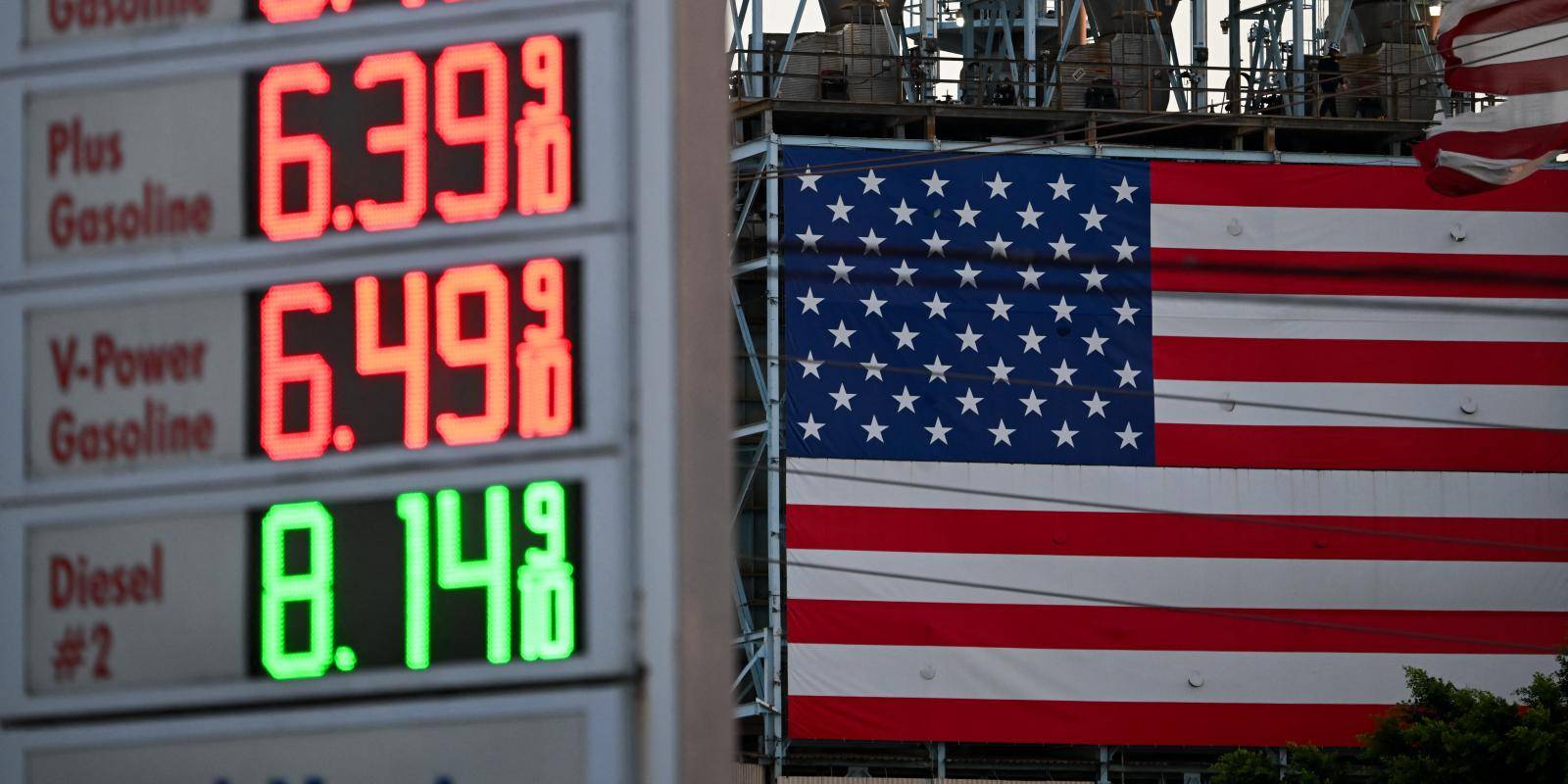

As the US midterms approach, American voters are angry. They are angry about the economy, about prices and about insecurity. And they have connected their plight at home with the Trump administration’s international policies.
Public opinion directly connects tariffs to high prices. An August survey found that 75 per cent of Americans worry about being able to afford groceries and goods, while 83 per cent of those worried say tariffs have increased the prices of those goods. And as many as three in four voters say tariffs will influence their vote.
Voters are also angry about the Iran war, which they directly connect to the cost of living. Majorities say that even if Trump ended the war before the midterms, they would not view his party more favourably.
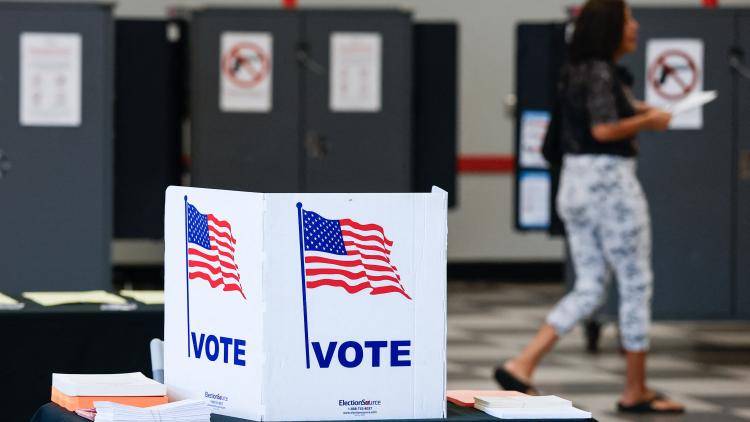
The last time midterm voters were this angry about international issues was in 2006, as the Iraq war turned sour. But after that election, then-president George W Bush adopted even more aggressive policies in Iraq, the so-called ‘surge’ of 2007. Trump’s public statements suggest that he, too, is likely to be more aggressive on both war and tariffs. His political style explains some of this, but so does the extent to which the executive branch holds power over international policies.
Democrats have said if they win one or both houses of Congress they will initiate investigations into corruption and the rule of law. But efforts to claw back power will be slow – and even slower to yield results in voters’ wallets.
Changing course on Iran?
On the war with Iran, all the factors that have prevented a deal before the midterm elections will still be in place after 3 November. Voices from the region and the US alike are speculating whether there will be renewed conflict after the midterms and forecasting different ways in which the war could be expanded, from an assault on Iran’s nuclear facilities to a more aggressive proxy war waged from Iraq. Meanwhile, Trump has announced that 9,000 additional troops are being sent to the region.
Some members of Congress are already looking at the tools they have to force an end to the war. One such tool is the War Powers Act of 1973, which requires congressional approval for any hostilities lasting longer than 60 days. Such a resolution has already passed the House of Representatives three times, with the support of a few Republicans. Trump has thus far managed to prevent it from being passed by the Senate, most recently only by one vote. It is not much of a stretch to imagine the resolution passing both houses in the next Congress.
However, previous congressional attempts to use it have been vetoed and ignored by presidents of both parties – including Trump in 2019 (Yemen) and again in 2020 (Iran). Courts have also declined hearing cases brought by members of Congress seeking to enforce the Act, saying they lacked jurisdiction while legislative remedies were available. Passage of a joint resolution will up the political pressure on Trump but nothing more.
That leaves Congress with its other tool – the power of the purse. When the current Congress returns shortly after the elections for a so-called ‘lame duck’ session before the newly elected Congress is seated in January, it will be asked to vote on the Pentagon’s request for extra money to fund the Iran war. Democrats and a few Republicans have already blocked such funding from being passed once, and a lively public battle is sure to follow. However, while this would not be the first time a Congress has threatened to cut off funding for wars it disapproves of, it has never actually followed through on such threats.
Sometimes though, the threat and public debate can be enough to have an impact. Congress – even in its current configuration – is unlikely to approve the $1.5 trillion military budget Trump requested before the war with Iran, a 44 per cent increase. As the US military struggles to replace expensive missiles and meet its deterrence commitments elsewhere in the world, pressure will grow to end the war – or at least to dial it back to reduce costs. But that won’t be quick and it won’t be decisive enough to help lower prices, which is what American consumers say they are voting for.
Doubling down on tariffs
On tariffs, the prospects appear more straightforward. The US Constitution reserves tariff power to Congress. Congressional majorities opposing the Trump tariffs could, if they wished, repeal them and set tariff levels in law, or explicitly bar the Trump administration from raising tariffs without congressional consent.
But that is easier said than done. For the last decade, congresses of various partisan compositions have opposed both free trade agreements and tariffs proposed by presidents but have been unable to find trade policy that cross-partisan majorities can support. This is likely to continue. Congressional Democrats have previewed plans for ambitious investigations of corruption allegations in how Trump’s trade deals were negotiated, and how exemptions to tariffs are granted. But they disagree deeply about what ideal tariff levels should be and are sceptical of gaining enough Republican cooperation for broader tariff relief beyond specific sectors, such as school supplies or construction materials.
Meanwhile, far from bending to popular opinion and reducing tariffs, the Trump administration is doubling down.
It has initiated another round of ‘section 301’ investigations into the EU and 15 other economies, alleging that they systematically overproduce in order to export at unfairly low prices. It has also left the door open to tariff action on semiconductors, critical minerals and commercial aircraft (and parts) under so-called ‘section 232’ allegations that trade conditions are harming US national security.
Finally, it has launched a request for comment on how the EU’s Carbon Border Adjustment Mechanism (CBAM) impacts US businesses, including ‘whether and what enforcement action may be appropriate to remedy any negative effects’. Those comments are due the week after the midterms and open up a range of options, including a public hearing or a formal investigation. The Trump administration will therefore be able to use the threat or reality of CBAM tariffs next year; either as a negotiating tool or as a next round of tariffs should any of the current measures be overturned in court.
With the midterm results likely to put Trump under pressure to change unpopular policies, explicit voter anger will also put pressure on a new Congress to be more aggressive than in recent years, to use the power it does have over budgets and tariffs. Absent that, voters are likely to find that their vote was like pushing a lever that is not connected to anything. And that is likely to increase frustration even more – upping the chances for surprising results in the 2028 presidential election.