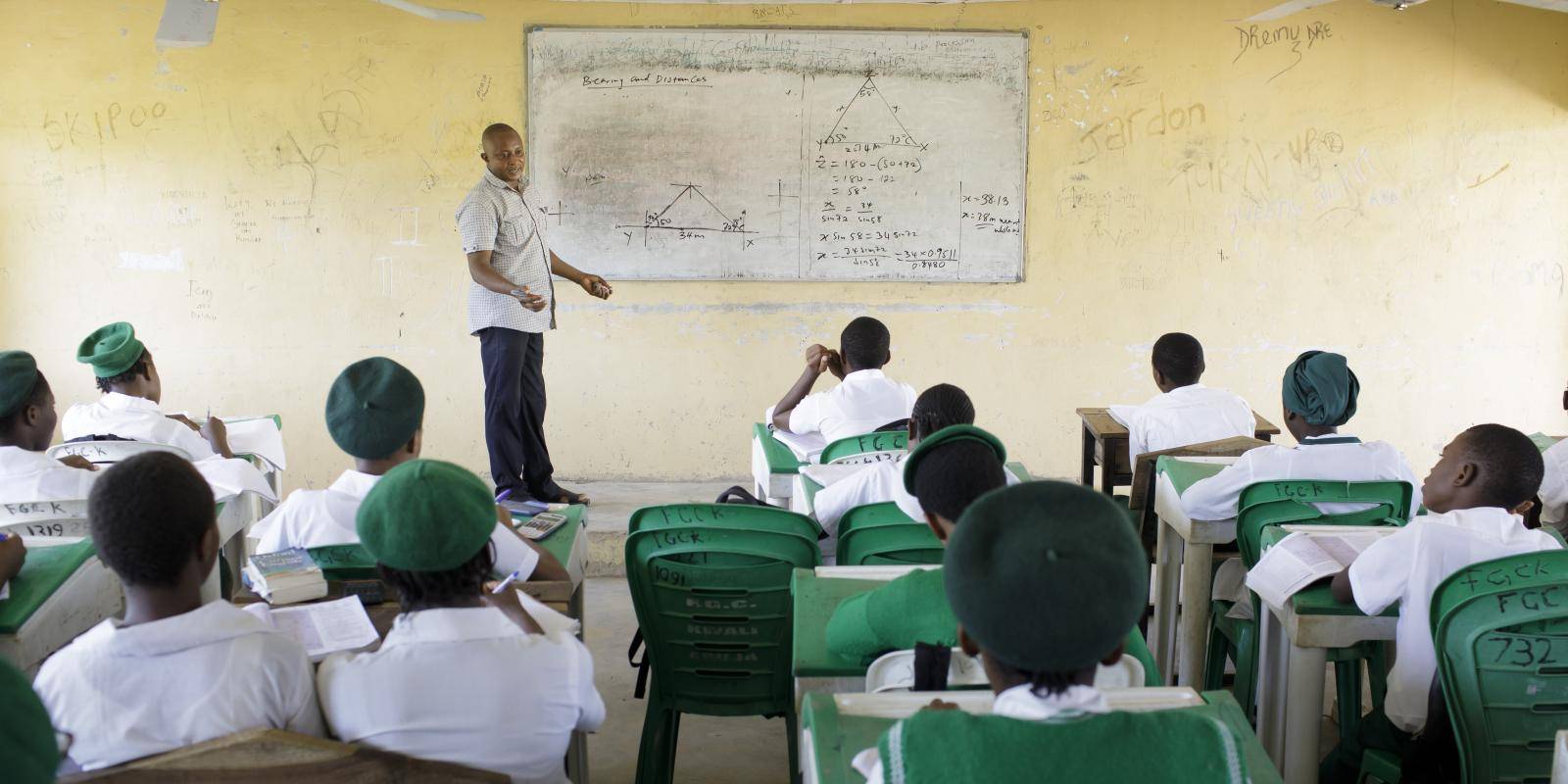


Underinvestment and corruption in Nigeria’s education sector have created a context where providers of education services are presented with routine opportunities to demand and expect bribes from parents and other service users for their children’s passing grades.
Data gathered in 2018, in the second household survey conducted by the Chatham House Africa Programme’s Social Norms and Accountable Governance (SNAG) project, reveals an important disparity between people’s personal disapproval of bribe-giving and their belief that others in their community support and approve of the practice.
The briefing identifies opportunities to target petty bribery in schools, building on the insights offered by the survey evidence on social beliefs and expectations. Interventions might range from supporting greater parental participation in schools and developing accessible platforms for reporting bribe solicitation, to the delivery of targeted anti-corruption education to schoolchildren.
However, the most sustainable solutions should address the myriad of systemic challenges in the Nigerian education sector that create strong incentives for routine corruption.