

Military technology innovation enables Russia’s way of war and informs new concepts of operation and military thought around future warfare, especially asymmetric advantages against more powerful competitors.
New weapons systems, dubbed Putin’s superoruzhie (‘super weapons’) and first unveiled in 2018, signal Russia’s intent to innovate in the defence-industrial field to counter the perceived conventional military superiority of great power competitors such as the US and its NATO allies.
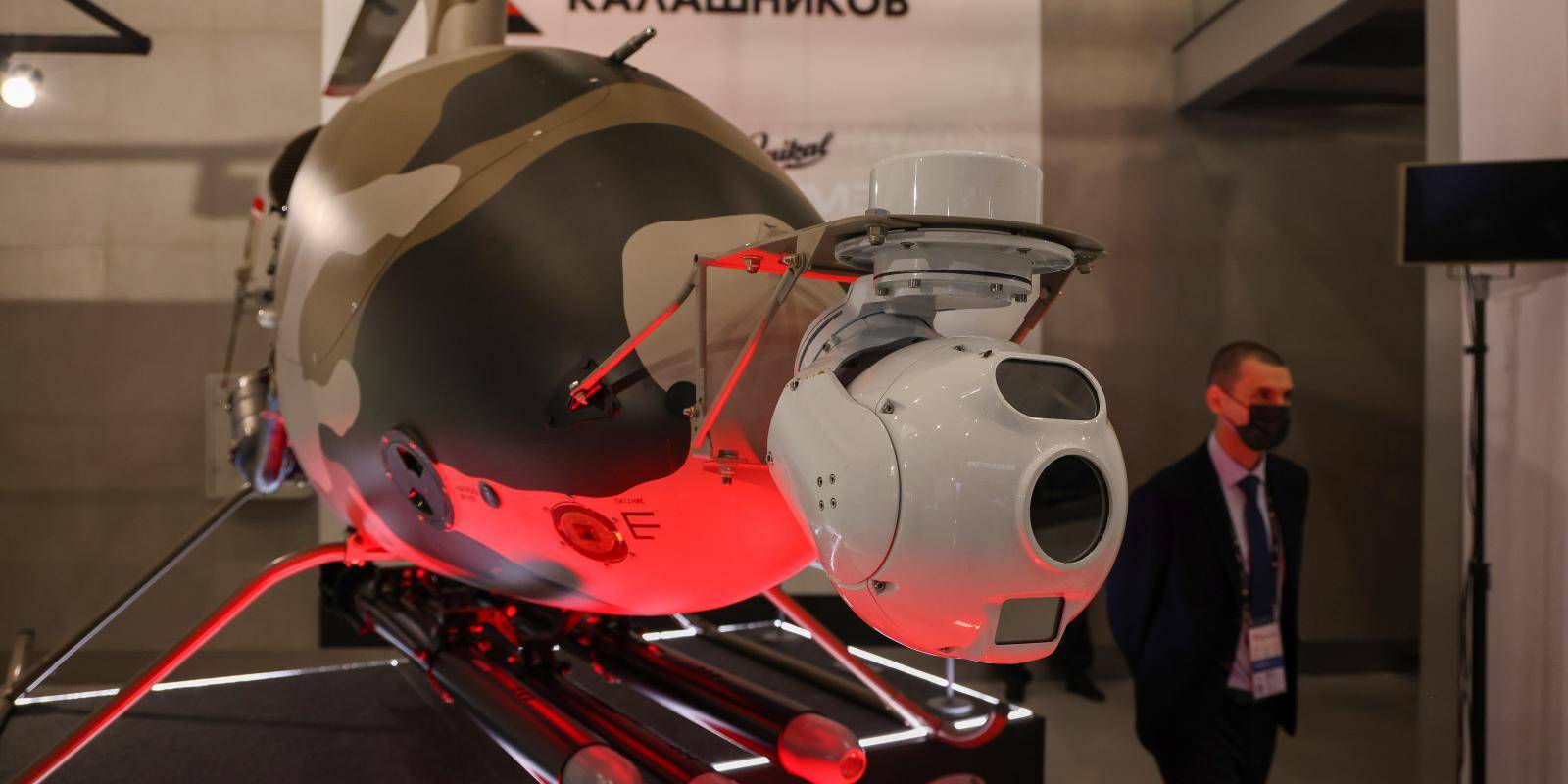
Russia is pursuing the incremental integration of asymmetric force-multiplier technologies into its established and legacy weapons systems. Meanwhile, the defence industry is developing new systems and capabilities in military robotics and has successfully integrated unmanned vehicles, particularly aerial drones, into its military operations. In the space sector, Russia is pursuing the development of capabilities able to potentially counter and disrupt an adversary’s satellite operations. Finally, AI technologies are being developed with a view to the disruption of Western command and control systems and communication facilities, as well as the establishment of information superiority.
This research paper offers an overview of Russia’s modern military capabilities and advanced technologies in key sectors. It also discusses the effects of military innovation on Russian military thinking and its impact for the US, NATO, and their partners.