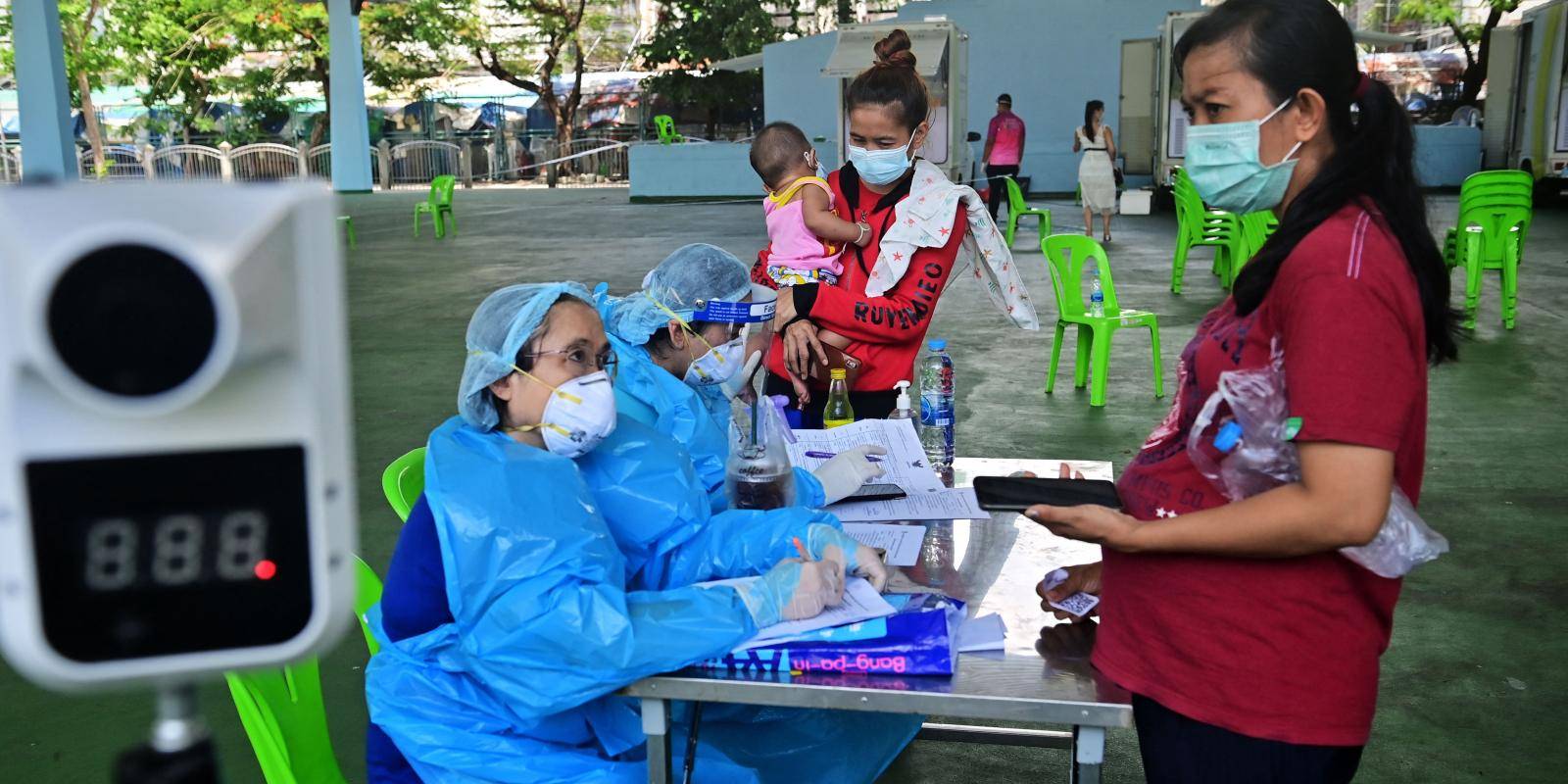


Universal health coverage (UHC) is achieved when everyone receives the health services they need, free at the point of delivery. Target 3.8 of the Sustainable Development Goals sets the ambition for all countries to achieve UHC by 2030, but global indicators for health coverage and financial protection have been lagging since 2015.
The series of crises and shocks the world has suffered in recent years – including disease outbreaks, financial crises, multiple conflicts and the deepening impacts of climate change – have raised fears that commitments to UHC will be seriously undermined.
In 2022, in light of these concerns, Chatham House established the Commission for Universal Health to look at ways to support countries in maintaining and accelerating progress towards UHC. Drawing on the work of the commission, this report explores examples of where, and how, conditions of crisis and shock have had a catalytic role in driving universal health initiatives, and offers recommendations for leaders currently considering launching or expanding UHC reforms.
The report endorses the World Health Organization’s finding that investment of an additional 1 per cent of GDP for primary healthcare is a realistic target for countries transitioning to UHC. While acknowledging that affordability is a legitimate concern for many countries at a time of resource constraints, the authors argue that universal entitlement is not necessarily about spending more. Instead, it is about spending money better: by pooling resources, UHC offers the possibility of providing better healthcare for more people more cost-effectively than alternative financing models.
DOI: 10.55317/9781784136147