

In your book you describe your grandfather as playing a ‘forgotten’ role in steering the UN through the 1960s. Why is his legacy not more widely known?
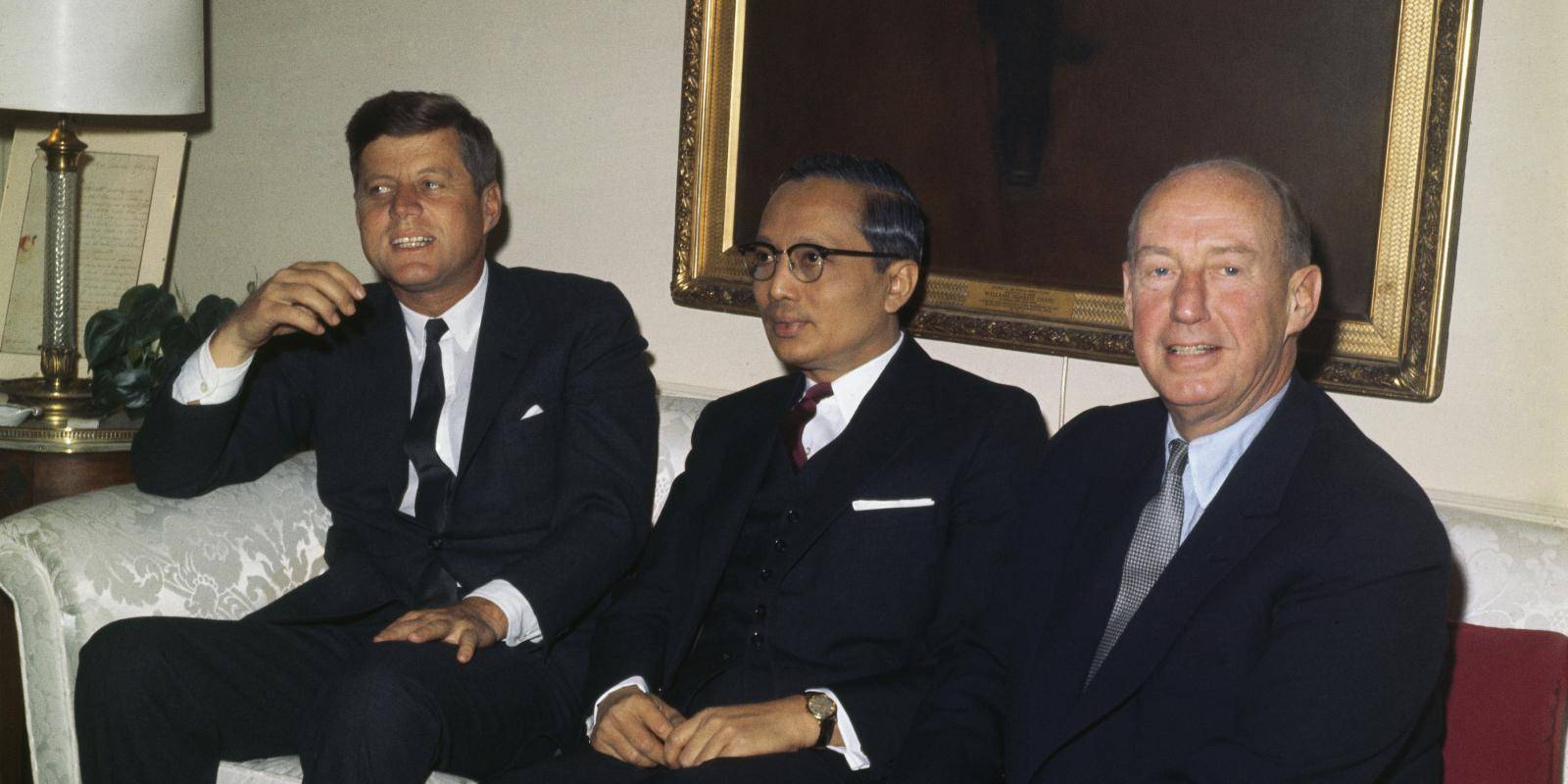
The 1960s was such a pivotal decade in creating the world we know today, and around episodes like the Cuban Missile Crisis and the Six-Day War, there were many governments and individuals looking to take credit and push their own perspectives on what happened. My grandfather was reluctant to do that because of his position as UN secretary-general. He was often unwilling or unable to take credit. His style of diplomacy often involved behind-the-scenes elements – late-night phone calls with President Kennedy’s White House at the height of the Cuban Missile Crisis, for example.