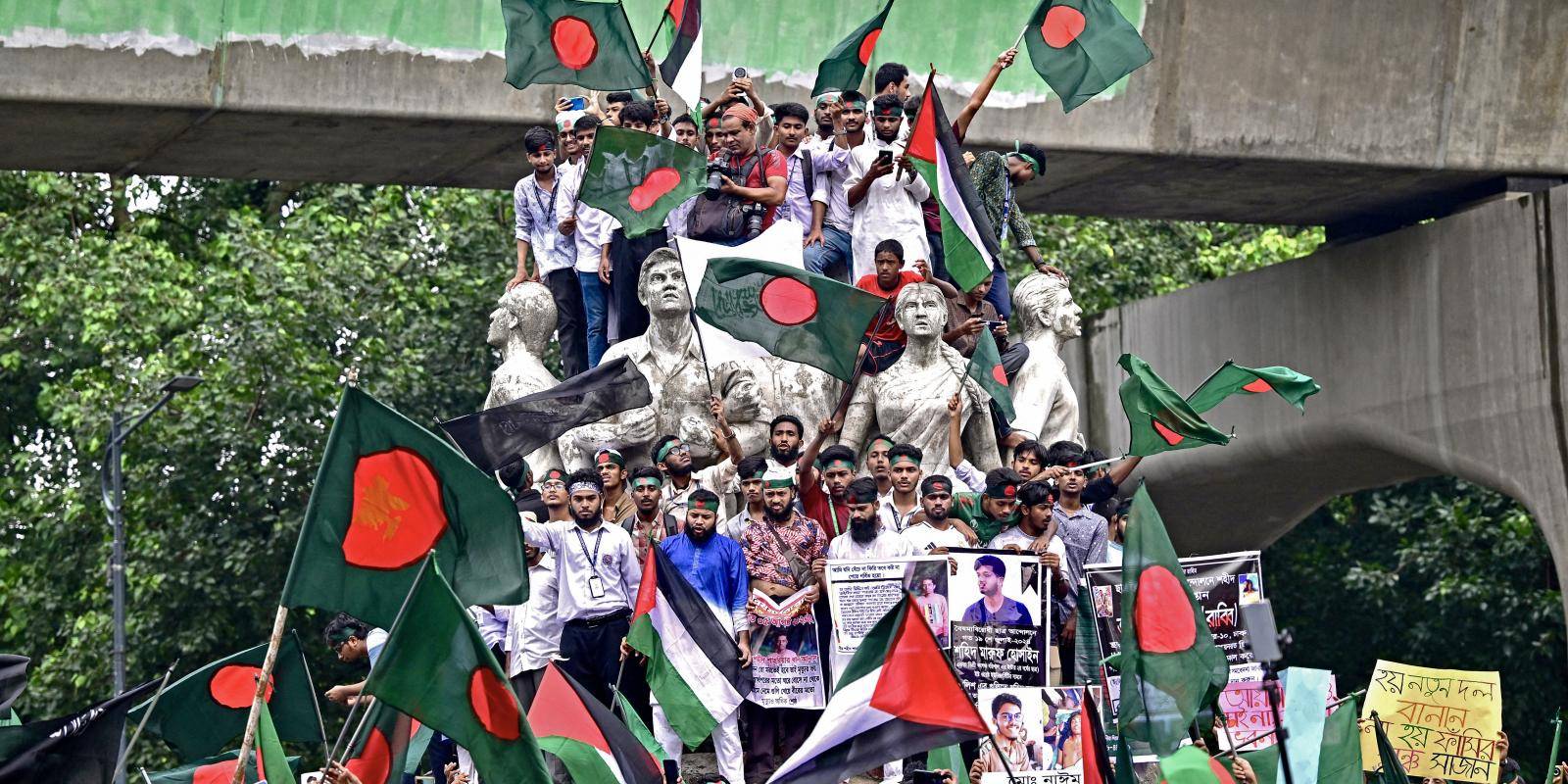

Bangladesh will go to the polls on 12 February as the country seeks to reconcile a decades-long era of ‘revenge politics’ and return to a more democratic footing. Muhammad Yunus, the Nobel peace laureate who has led an interim government since the ousting of Prime Minister Sheikh Hasina in August 2024, has faced pressure to hold a general election before Ramadan commences in mid-February.
The three-time prime minister was toppled from power after weeks of student-led protests against her Awami League government, which faced accusations of corruption. Analysts believe the most likely outcome of February’s vote will be a return to power for the Bangladesh Nationalist Party (BNP), led by acting chairman Tarique Rahman, 60, who has lived in exile in London for nearly two decades.