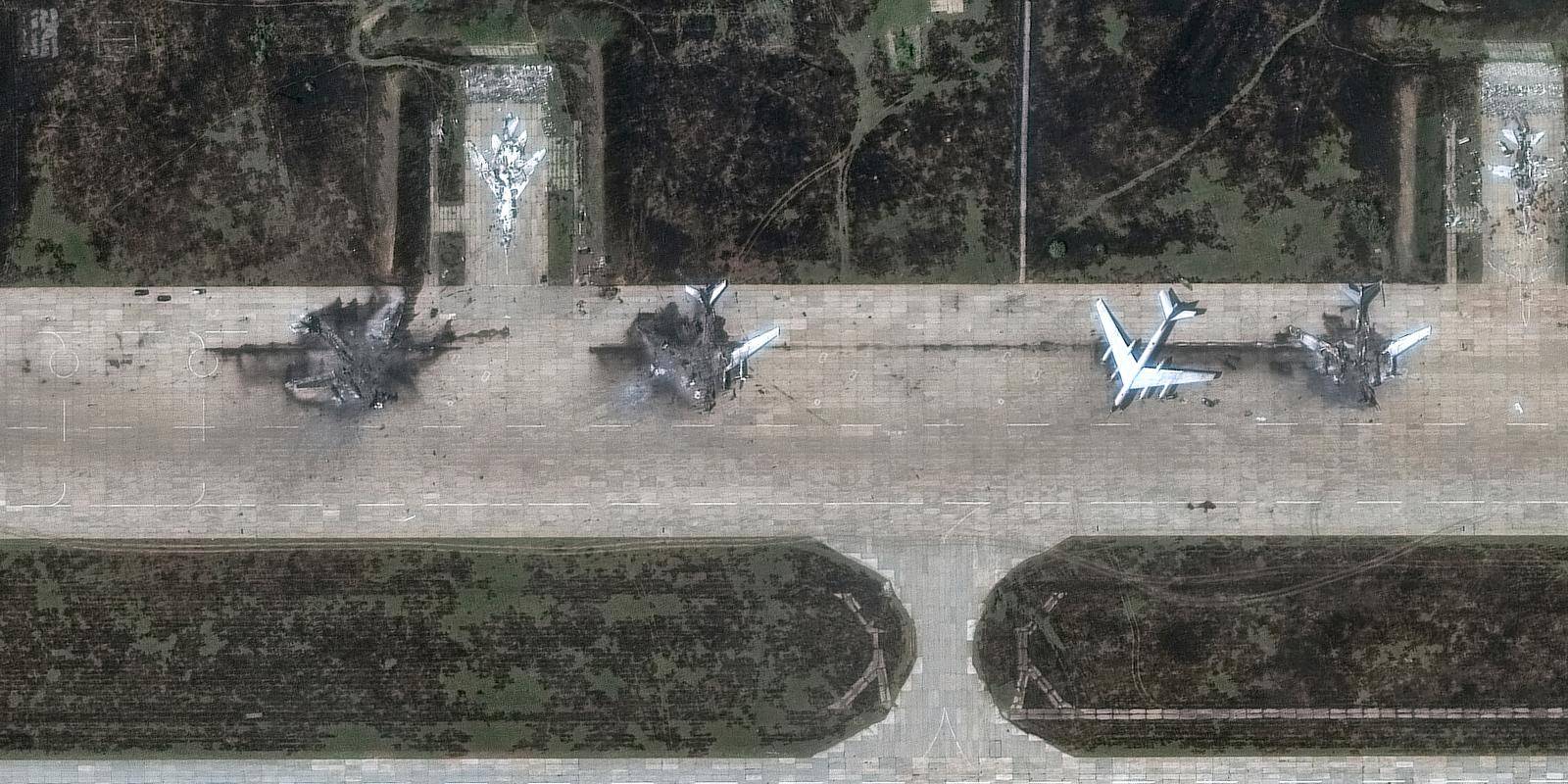

Ukraine’s Operation Spider’s Web will undoubtedly enter the history books as one of the most remarkable and best-executed covert operations of the war, with potential consequences for warfare far beyond the current conflict.
According to Ukrainian intelligence, which released information about the 1 June operation, Ukraine used 117 drones to strike several airbases deep within Russia. Ukraine says it damaged or destroyed 41 planes, including bombers that carry strategic cruise-missiles. The drones, which were transported close to the bases hidden in the back of trucks and operated remotely, were reportedly able to inflict damage of up to $7 billion – at a fraction of the cost.
The operation showed that Kyiv did in fact hold some of the cards ahead of proposed negotiations in Istanbul, temporarily stunned the Kremlin into silence and dealt a blow to Russia’s capacity to launch lethal missile strikes against Ukraine.
It also offered a glimpse into the future of warfare, transformed by access to cheap, widely available technology such as small drones, in which anything, anywhere can become a target. While NATO figures will likely have been impressed by Spider’s Web’s success, the operation’s effectiveness also raises urgent questions about the alliance’s own readiness for a future shaped by similar attacks.
Cheap technology, drones and AI
The operation was remarkable for its use of relatively cheap, existing technologies. Throughout the war, Ukraine has proven especially adept at using relatively low-cost and lower-tech solutions to counter Russia’s larger numbers and deeper resources. It has pushed the envelope on drone innovation to counter Russia’s own well-financed drone operations.
Operation Spider’s Web is one of the starkest examples yet of just how adept Ukraine has become at gaining an asymmetric advantage – doing more with less. Though the full details are not yet known, Ukraine is believed to have used rigged versions of lower-tech commercially available FPV drones in the operation.
Reports suggest it cleverly used AI solutions to program the drones to hit the Russian planes in their weak spots ahead of time, using museum pieces of the old Russian planes as training data.
The actual navigation of the drones relied on drone autopilot software ArduPilot, an old open-source solution used by drone hobbyists. ArduPilot allowed the drones to autonomously continue their paths, even when the human pilots temporarily lost signal, enabling the strike deep within Russia’s heartland.
A new blueprint for attacks
While Operation Spider’s Web was successful in large part due to its surprise element and creativity, the operation should serve as a stark warning that warfare has changed.
All the technologies used in the operation – or at least versions of them – are available to many other states, as well as non-state actors. They may well take inspiration and copy elements of the operation in different contexts to target both military and civilian infrastructure.
The smuggling of drones on the back of trucks driven unknowingly by Russian drivers is another element that could be emulated. Since the attack, unverified videos have emerged of Russian authorities checking long lines of trucks. NATO’s interconnected, open economies are vulnerable to similarly disruptive attacks. It is simply not feasible to look for drones in every container that enters the ports of Rotterdam, Hamburg or Los Angeles.
Drone technology is also rapidly evolving, including improvements in autonomous aspects that will increase the capacity for drone swarming. As the technology becomes more widely accessible, similar drone attack operations will only become more feasible and easier to execute across wider areas.
No longer out of reach
The attacks were also revolutionary in their ability to strike targets previously thought to be well out of reach. For Russia, they threaten to undermine a long-standing strategy of relying on its vast size and strategic depth to shield key military and industrial assets from within striking distance of any front-line on its western border. Operation Spider’s Web struck targets well beyond the range of any previous drone incursions, including the Belaya base in Irkutsk in Russia’s far-east, almost 5,000 kilometres away from Kyiv.
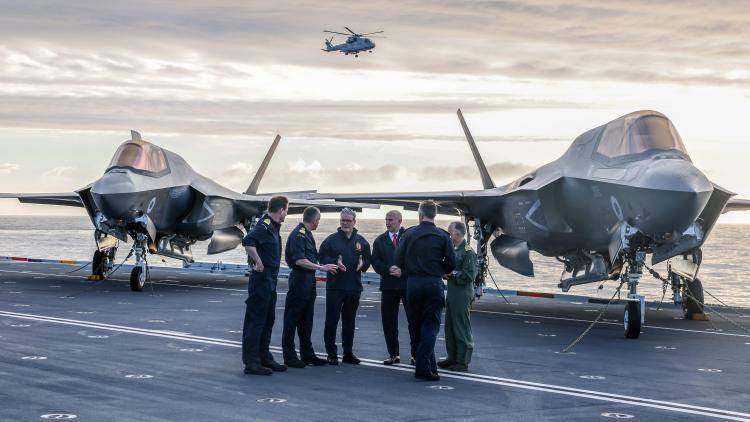
But Russia is not the only country that has assumed sensitive military sites would be out of reach from hostile drone attacks. NATO states are similarly at risk. Since the Cold War, many NATO members have paid insufficient attention to protecting their strategic infrastructure, whether military bases or commercial ports. They have frequently left expensive assets out in the open and concentrated in a few spots, which could now be vulnerable to potential long-range drone attacks.