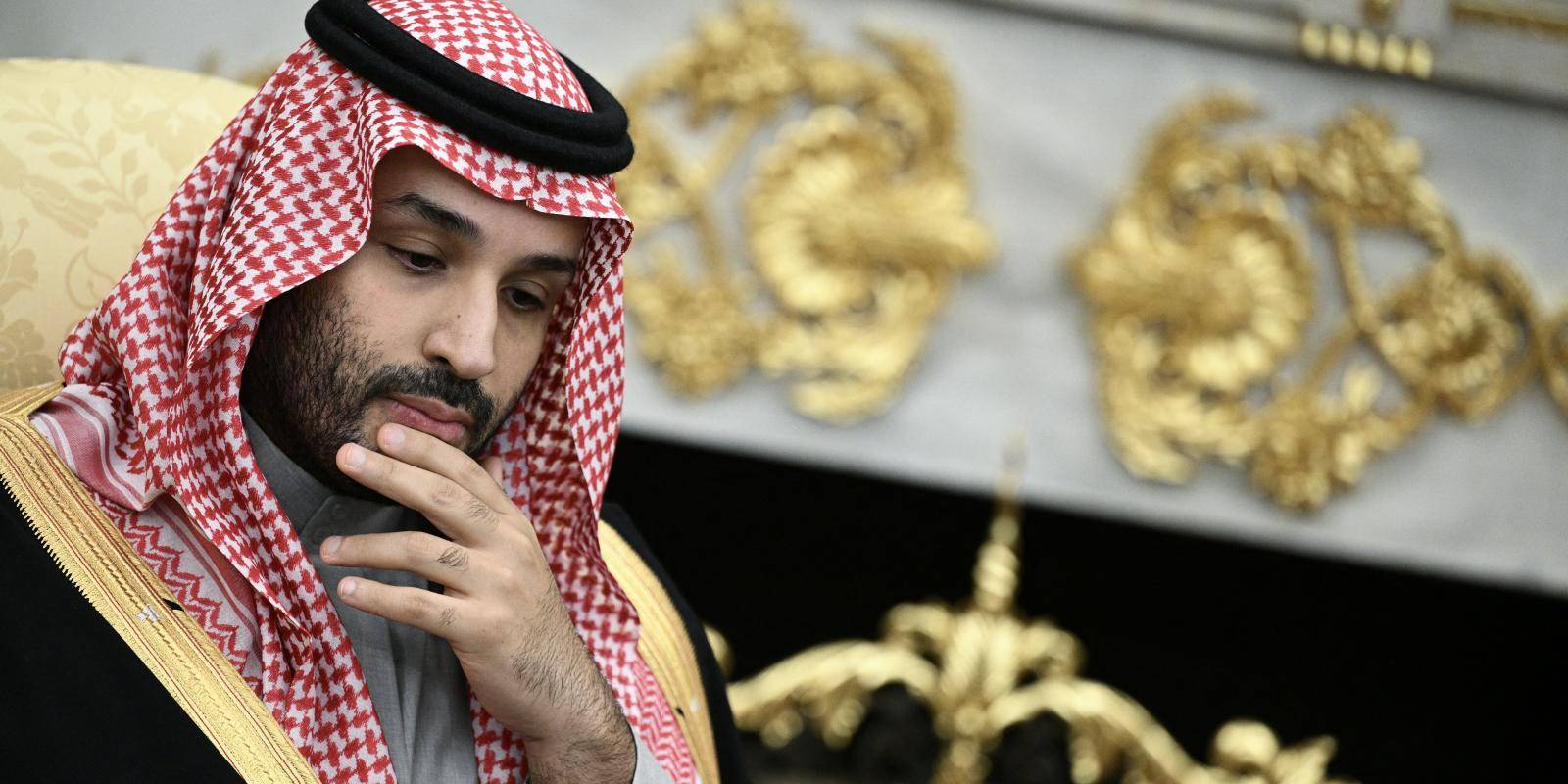

The US–Israel war against Iran has presented many challenges for Saudi Arabia, including the Strait of Hormuz closure, a deepening rift with the UAE, and the latter’s exit from the oil cartel OPEC. The war has also given Saudi Arabia’s Crown Prince Mohammed bin Salman, or MBS, pause for thought.
Before MBS, Saudi policy was slow and consensus driven – and largely predictable. The crown prince energized the domestic environment and pursued a far more assertive and, at times, unpredictable foreign policy that got Saudi Arabia into hot water.
However, the Iran war has once again slowed the kingdom’s decision making process as the leadership reassesses its long-term strategy. It is acutely aware that whatever the outcome of the conflict, it will determine the region’s future for at least the next two decades.
From the Strait of Hormuz to the Red Sea
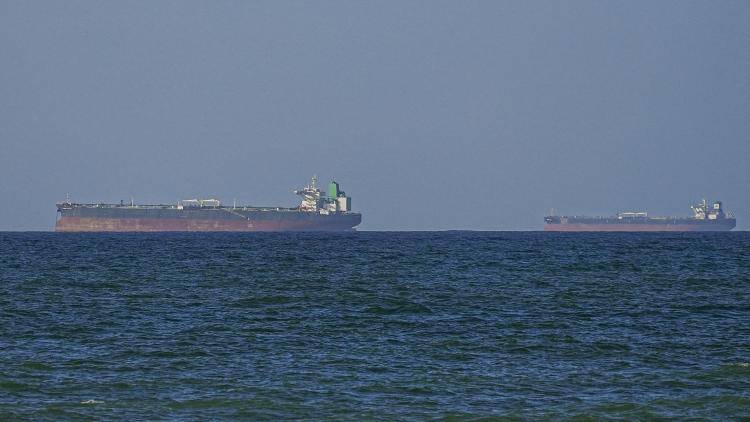
Unsurprisingly, Saudi Arabia’s reassessment now centres on the Strait of Hormuz, through which most of its oil exports and other goods pass. Although the kingdom has long recognized its exposure to disruption at this chokepoint, a sustained closure was historically viewed as highly unlikely. The closure has revealed a key vulnerability not only for trade, but also for the success of the country’s Vision 2030 strategy.
Now that Hormuz has been closed once, there will always be the risk that it could happen again. This poses a long term threat to Saudi Arabia’s trade flows and economic transformation plans. Repeated or prolonged disruption would weigh on revenues, investor confidence, and the kingdom’s ability to present itself as a stable hub for trade, logistics and finance. The ambitions of Vision 2030 and its successor frameworks depend on predictable energy – and revenue – flows and a secure maritime environment.
Hence, the kingdom is beginning to reassess its economic geography, reducing its dependence on Hormuz and reorienting policy towards the Red Sea. Projects along Saudi Arabia’s western coastline, including ports, industrial zones and tourism developments, will now become key priorities. The country’s two coastlines give it a significant geographical advantage over its neighbours, which it will look to capitalize on to distinguish itself – especially from the UAE – as the region’s main export and logistics hub.
Its westward shift means the national oil company Saudi Aramco will need to reorient crude exports to the Red Sea or at least build capacity to convey 7 million barrels a day to match pre-war exports. It is currently transporting around 4 million barrels per day of crude by pipeline from east to west and exporting it via the Yanbu terminal on the Red Sea. While current exports are lower, Saudi Arabia is in a stronger position than many of its Gulf neighbours, whose exports remain locked into the Gulf. With oil prices at around $120 per barrel, roughly double pre war levels, Riyadh retains a degree of financial resilience.
However, significant long-term investment will be needed in infrastructure that allows goods – especially oil – to move between the Red Sea and major urban centres across the Gulf if Saudi Arabia is to establish itself as a regional trading hub. Longer timelines and higher costs will be unavoidable, but the structural nature of the Hormuz problem leaves Saudi Arabia with little choice.
But rerouting away from Hormuz will not eliminate risk, only relocate it. Attacks on Red Sea shipping by the Iran-aligned Houthis show that maritime insecurity will become a central constraint on Saudi Arabia’s westward reorientation, not a secondary concern.
Iran war has renewed rift with the UAE
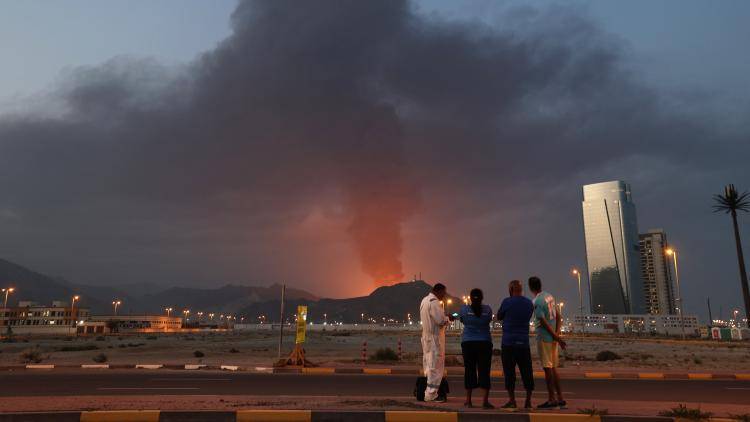
The threat of maritime insecurity to its Red Sea ambitions helps explain Saudi Arabia’s reluctance to engage directly in the war against Iran and its lobbying against further escalation. The leadership recognizes that a kinetic response to Iranian strikes would not only increase risks to its energy assets and critical infrastructure but could also draw the Houthis more directly into the conflict. That, in turn, would place Saudi Arabia’s alternative export routes under threat, undermining its essential diversification away from Hormuz.
This also helps explain the different positions taken by Saudi Arabia and the UAE towards the war, and the growing tensions between them. Abu Dhabi has taken a strong line against Iran, with a position much closer to the US and Israel than to its Gulf neighbours. Senior Emirati officials have criticized both the Iranian leadership for striking targets on UAE soil and regional partners for failing to respond more forcefully or show greater support.