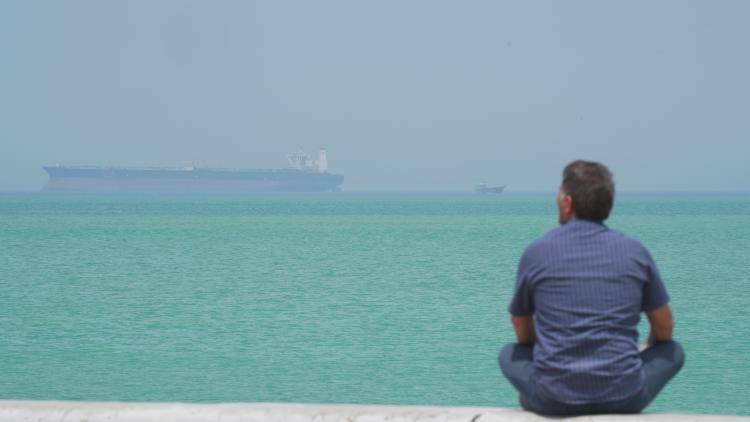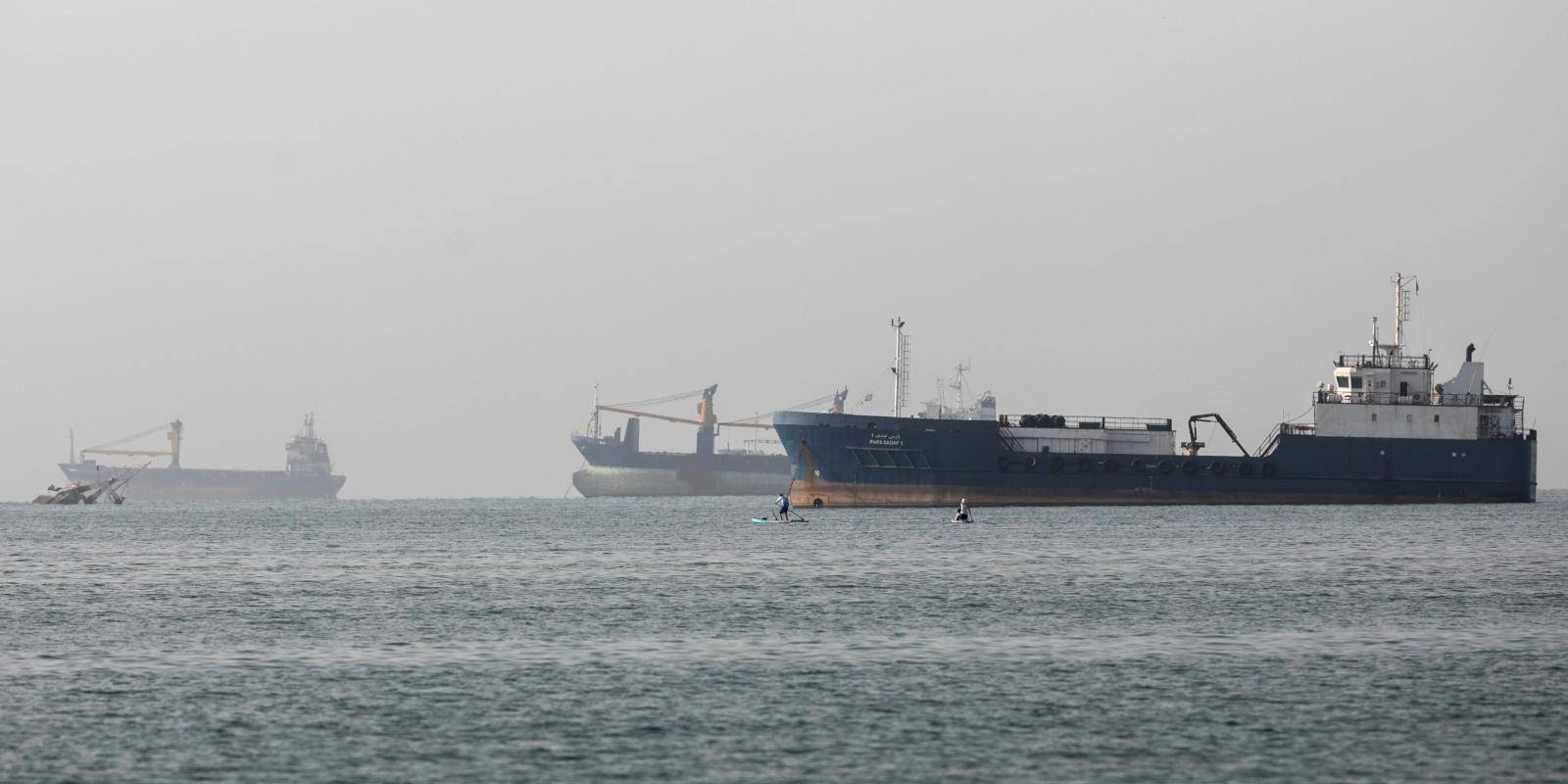

Earlier this week, the US and Iran signed an interim peace deal that includes plans to reopen the Strait of Hormuz. While the deal promises a removal of the US blockade within 30 days and a restoration of pre-war shipping traffic, the future of the Strait remains uncertain.
The memorandum of understanding states that ‘the traffic of commercial vessels will immediately start.’ But it also acknowledges the need for Iran to remove mines and obstacles in the Strait, which it says it will begin within 30 days of the agreement.
This demining process will be slow and costly. It may also require external confirmation and support. And mine clearing will have to be paired with the removal of undetonated ordnance that fell into the sea during the war.
Even then, without an internationally recognized traffic separation scheme or other security measures, ships will face navigational risks that undermine their abilities to transit.
There is also uncertainty over the future administration of the Strait. Although President Trump has said passage through the Strait will be ‘permanently toll-free’, the deal allows Iran to work with Oman in conversation with other littoral states to ‘define the future administration and maritime services’ in the Strait. Iranian officials had previously said ‘fees will be charged’ for unspecified ‘services’ going forward.
So far, insurance companies have not significantly reduced maritime insurance premiums, which will be necessary for shipping to flow again. Insurance and shipping companies will likely require more evidence of commitment from both the US and Iran.
The Strait of Hormuz is therefore not open, nor is it close to opening. The process will take time, confidence-building and numerous security assurances. Yet in the meantime, the risk of an even worse chokepoint crisis remains.
Future chokepoint crises
Even if the Strait of Hormuz is reopened, Iran will still retain the ability to close it again. The threat of closure alone may be enough to deter shipping and create significant disruption without significant cost to Tehran.
In a future conflict, the Iran-backed Houthis in Yemen may also seek to close the Bab al-Mandab Strait, another major maritime chokepoint that connects the Red Sea with the Gulf of Aden.
Signs of this potential strategy were already emerging before the ceasefire deal. On 8 June, the Houthis threatened to block Israeli and Israeli-linked ships sailing through the Red Sea. On 10 June, a small vessel operating off Yemen’s coast reportedly harassed a commercial ship close to Bab al-Mandab.

Shipping in the Red Sea has faced disruption before. Between 2024 and 2025, the Houthis attacked over 190 commercial ships in the Red Sea, causing major disruption to global trade. Despite the attacks ending with a May 2025 US-Houthi ceasefire, the Houthis have retained the ability to threaten maritime traffic at any time.
Today, with Hormuz effectively closed, ships have been forced to seek alternative routes. Some of the remaining workarounds depend on access to the Red Sea, including transporting oil by land to Saudi Arabia’s Yanbu port on the Red Sea coast. Renewed insecurity in Bab al-Mandab therefore threatens some of the existing alternatives to Hormuz.
This also has a knock-on effect on another chokepoint: the Suez Canal. The Bab al-Mandab Strait serves as the southern gateway to the Suez Canal. Amid Houthi attacks, vessel traffic through the Suez Canal dropped by 90 per cent in 2024. Even the threat of attacks alone is enough to disrupt shipping due to elevated insurance premiums and crew safety concerns.
The consequences of more closures
Disruption in one or more maritime chokepoints frequently generates ripple effects across the wider global shipping network. In this case, the immediate impact would be felt through rising transportation costs. Insurance premiums would rise as ships enter higher-risk operating environments. Longer voyages around the Cape of Good Hope would increase fuel consumption and vessel operating expenses. Congestion at alternative ports and transit routes creates additional delays.
Disruption to the Bab al-Mandab Strait would also put additional pressure on energy markets. Reduced access to Gulf exports and longer shipping routes would likely increase oil and gas prices, generating inflationary effects across a wide range of industries. For import-dependent economies, especially those already facing fiscal stress, higher transportation and commodity costs could reduce access to food, fuel and essential goods.
The consequences would not be distributed evenly. Smaller economies and vulnerable importers would bear disproportionate costs, exacerbating existing humanitarian crises. Economic and humanitarian pressure would potentially push countries to negotiate transit rights with Iran and the Houthis.
During the war, countries like India, Pakistan, and Malaysia sought to negotiate passage through the Strait of Hormuz with Tehran on an ad hoc basis. Private companies have also pursued individual deals for safe transit with Tehran. Over time, countries facing severe economic disruption may conclude that bilateral transit agreements are preferable to absorbing the costs of prolonged supply-chain disruption.
Existing initiatives and their limits
A range of international initiatives aimed at protecting shipping already operate in the Red Sea area. These include European naval missions, the International Maritime Organization’s Maritime Security Transit Corridor, and regional frameworks such as the Djibouti Code of Conduct. Several countries maintain a naval presence in the region and periodically provide escorts and convoy protection for commercial shipping.