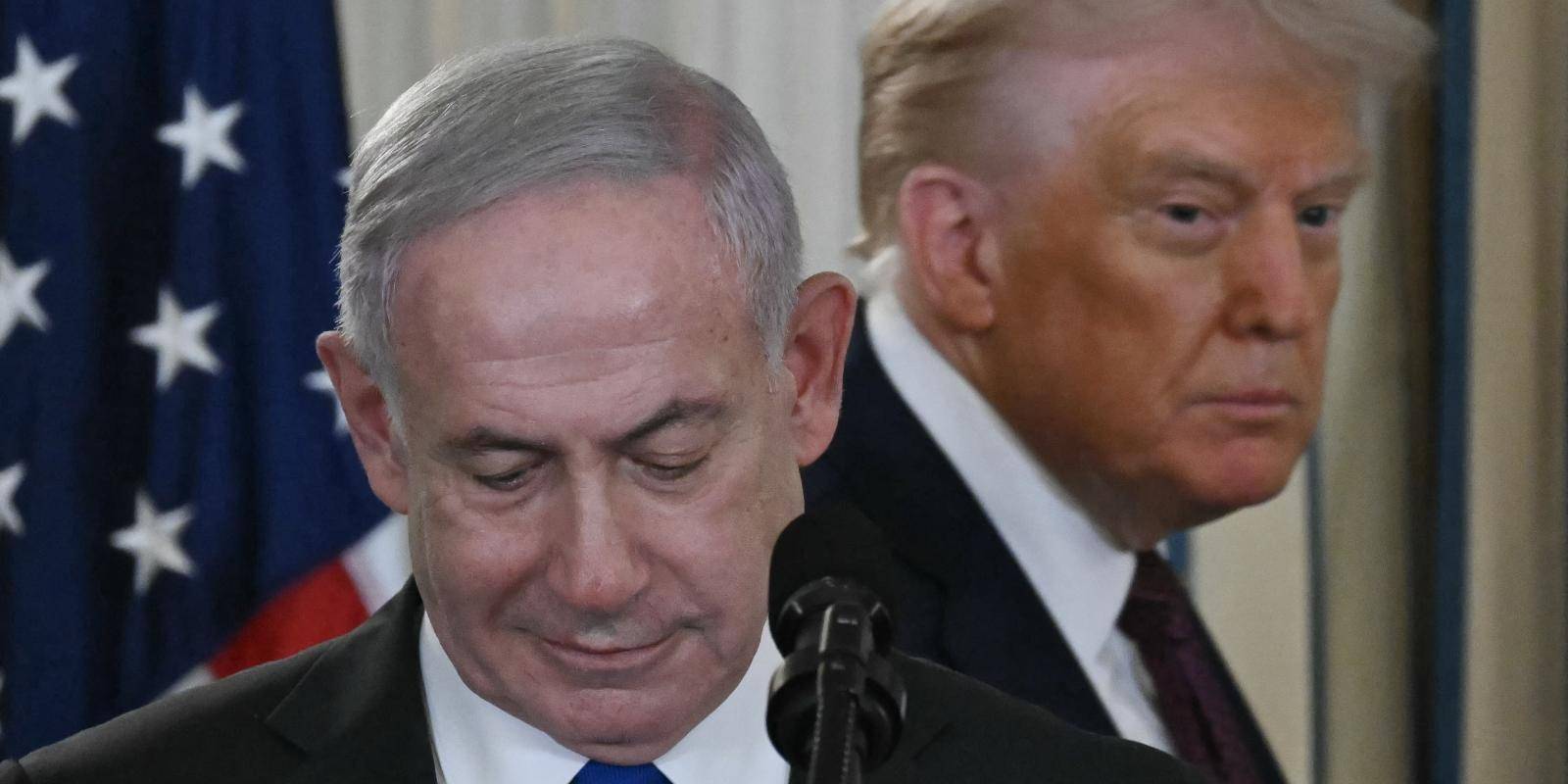

The relationship between US President Donald Trump and Israeli Prime Minister Benjamin Netanyahu has grown increasingly tense since the start of the Iran war and seems to have reached an all-time low amid Trump’s efforts to end hostilities in both Iran and Lebanon. His memorandum of understanding (MoU) with Iran was largely criticized in Israel. Netanyahu – who always bragged about his great relationship with Trump – was seen as responsible. Another MoU between Israel, the US and Lebanon followed last week. Although it looks more favourable to Israel, it has nevertheless been met with a great deal of suspicion in Israel where the majority supports military action against Hezbollah.
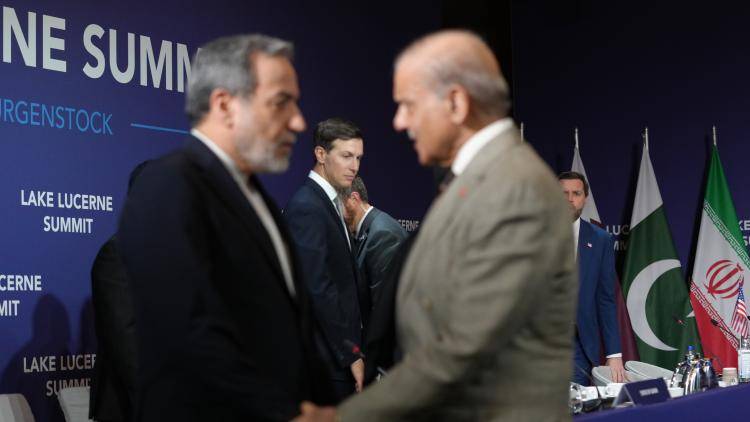
Before last week’s deal, the US president had grown increasingly frustrated that Israel’s actions in Lebanon would jeopardize the ceasefire deal with Iran. Trump has confirmed reports he called Netanyahu ‘crazy’ and used an expletive during a tense phone call. A new book claims there was a similarly angry phone call just days before the public announcement of the ceasefire deal to end the war in Gaza.
These revelations paint a picture of two leaders who have always emphasized their close alliance and ‘beautiful friendship’ but no longer seem to be on the same page. But does this mean Trump is ready to translate his growing resentment towards Netanyahu into new policy? If so, how would it affect Israeli politics and the upcoming elections?
The end of the Trump–Netanyahu bromance
Quite possibly, no one was happier than Netanyahu after Trump’s election victory in November 2024. He reportedly used to stall to buy time during the Biden administration, postponing key decisions such as a normalization agreement with Saudi Arabia, and fateful decisions on Gaza and the hostages until Trump returned to the White House. And indeed, the Israeli cabinet approved the ceasefire deal with Gaza, that allowed for the release of 33 hostages, just in time for Trump’s inauguration.
But from that moment on Trump and Netanyahu have struggled to reach a consensus. Trump started his term with a plan to ‘relocate’ Palestinians from Gaza to Libya and a promise there would be ‘all hell to pay’ for Hamas if the hostages were not released. But just months later he presented his 20-point peace plan for Gaza and effectively forced a ceasefire on both Israel and Hamas.
Just a few weeks prior to Trump’s peace plan announcement, Netanyahu had promised to continue the fight in Gaza to retrieve all hostages and eradicate Hamas. However, he later embraced Trump’s peace plan and the subsequent hostage deal. The families of hostages have argued that Netanyahu sabotaged previous chances for such a deal and eventually only succumbed to Trump’s pressure.
But the war with Iran provided ultimate proof that Netanyahu and Trump have very different worldviews and geopolitical goals. As the proclaimed goals of the war began to look increasingly unachievable, Trump increased cooperation with Saudi Arabia, Qatar, Turkey and Pakistan to secure a ceasefire. Netanyahu, meanwhile, wanted to maintain the military pressure on both Iran and Hezbollah in Lebanon, despite the heavy price of the war – and even as the IDF admitted that eradicating Hezbollah without a full-scale invasion is unrealistic.
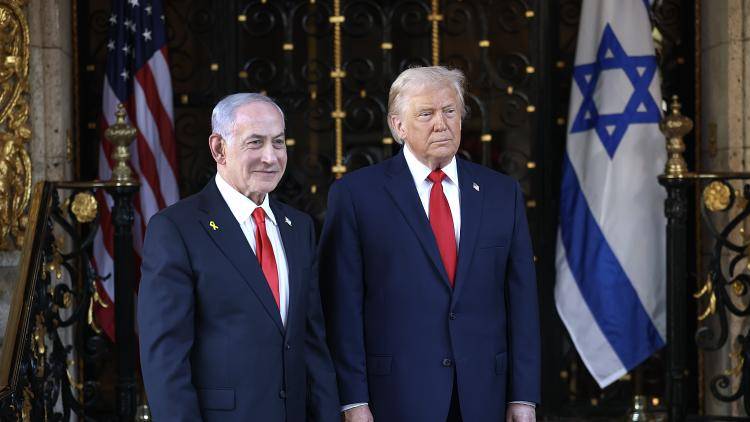
Netanyahu’s dream that Trump would provide a carte blanche for Israel in Gaza, Lebanon and Iran did not come true. While Trump wanted quick victories for national and personal gains, Netanyahu was more interested in precisely the type of ‘endless war’ that Trump had promised to avoid. The disparity between their goals was made even clearer as the US signed a shaky MoU with Iran and demanded that Israel halt its military activity in Lebanon.
The terms of the new Israel–Lebanon MoU allow Israeli troops to remain in southern Lebanon until Hezbollah disarms – and Netanyahu has already reiterated that they will. Significant pullouts of Israeli forces would be a highly unpopular move among Israelis and Netanyahu will want to avoid this ahead of the election. Trump, meanwhile, desperately needs this ceasefire to last to stabilize the situation in Iran. It remains to be seen how much pressure the US will exercise to enforce this agreement. So far, timeframes are vague and there are minimal demands on Israel – but this could change.
Consequences for Israel’s election
Netanyahu will be running in the October parliamentary elections weakened by his rift with Trump – and with many of Israel’s international relationships already strained by the war in Gaza. US Vice President JD Vance’s recent statement that Trump is Israel’s last powerful ally rings painfully true.
Polls in Israel indicate that Netanyahu currently cannot secure a coalition. Support for the prime minister and his Likud party has been eroded by the 7 October 2023 Hamas attacks, his handling of the prolonged hostage crisis and inability to secure a decisive victory over Hamas, as well as the judicial reform and corruption. It remains to be seen whether the MoU with Lebanon will have an impact on the polls but for now it does not appear to be a game changer.
It is harder to establish whether the rift with Trump has had an impact. In 2015, Netanyahu skilfully used his confrontation with then US president Barack Obama over the JCPOA deal to win the elections. Now, 11 years later he will attempt to pull the same trick with Trump. Polls indicate that over two thirds of Israelis believe that Trump’s policies are damaging to Israel, while pro-Netanyahu media describe Trump as weak and undecisive. So, while some voters may be concerned by the very public rift between Israel and the US, others seem inspired by it.