
Since the US and Iran signed the memorandum of understanding (MOU) ending the war, much discussion has centred on the simple question of who won. There is no clear-cut answer.
Washington and Israel point to the penetration of Iranian air defences, the decapitation of parts of its leadership and the damage inflicted on nuclear and military sites. Indeed, the US and Israel demonstrated that they could inflict far greater damage on Iran than Tehran could impose on them. Yet they could not translate that military superiority into their objectives of regime change – or at least, rapid political submission by the Iranian regime.
Tehran, for its part, survived the 38-day assault and demonstrated that it could impose costs beyond its borders – through strikes across the region and the closure of the Strait of Hormuz. In doing so, it preserved meaningful bargaining power. But it also emerged economically weaker, militarily exposed and more isolated across the region.
With the MOU, both sides extracted concessions. But neither secured enough to claim a decisive victory. Washington secured a pathway towards reopening Hormuz, calming energy markets and reducing the risk of further regional escalation. Tehran gained a pause in the fighting and the prospect of renewed oil exports, sanctions relief and protection from further attacks. The outcome is therefore best understood as an unequal draw.
This helps explain why President Donald Trump and the Iranian leadership accepted the agreement. But it also foreshadows a bumpy road ahead.
For Trump, the priority was to reopen Hormuz and prevent a prolonged confrontation that would push up oil prices and inflation ahead of the US midterm elections. Meanwhile Tehran needs time to assess the damage to its military and nuclear infrastructure, stabilize the economy and reduce the risk of renewed attacks. It must also restore oil exports, regain access to frozen funds and manage the domestic consequences of the war.
Both sides are therefore using diplomacy to buy time. Washington calculates that the pressure Iran has already absorbed may make it more willing to accept nuclear restrictions. Tehran believes that concerns over Hormuz, energy prices and further rounds of escalation may persuade Trump to offer economic concessions. The same imbalance that produced this unequal draw will now shape the negotiations. Washington enters the talks with military superiority, while Tehran retains enough disruptive capacity to refuse some American demands.
The negotiations will have to bring together four connected issues: Hormuz, the future of Iran’s nuclear programme, sanctions relief, and the guarantees needed to hold the arrangement together. Reopening the strait is the most urgent because of the impact on shipping and energy markets. Here, Washington and the Gulf states will want assurances that Tehran cannot disrupt the waterway whenever negotiations reach an impasse. Iran will argue that it cannot guarantee the free flow of maritime traffic or give up its leverage while Israel remains free to strike Iran or Hezbollah in Lebanon.
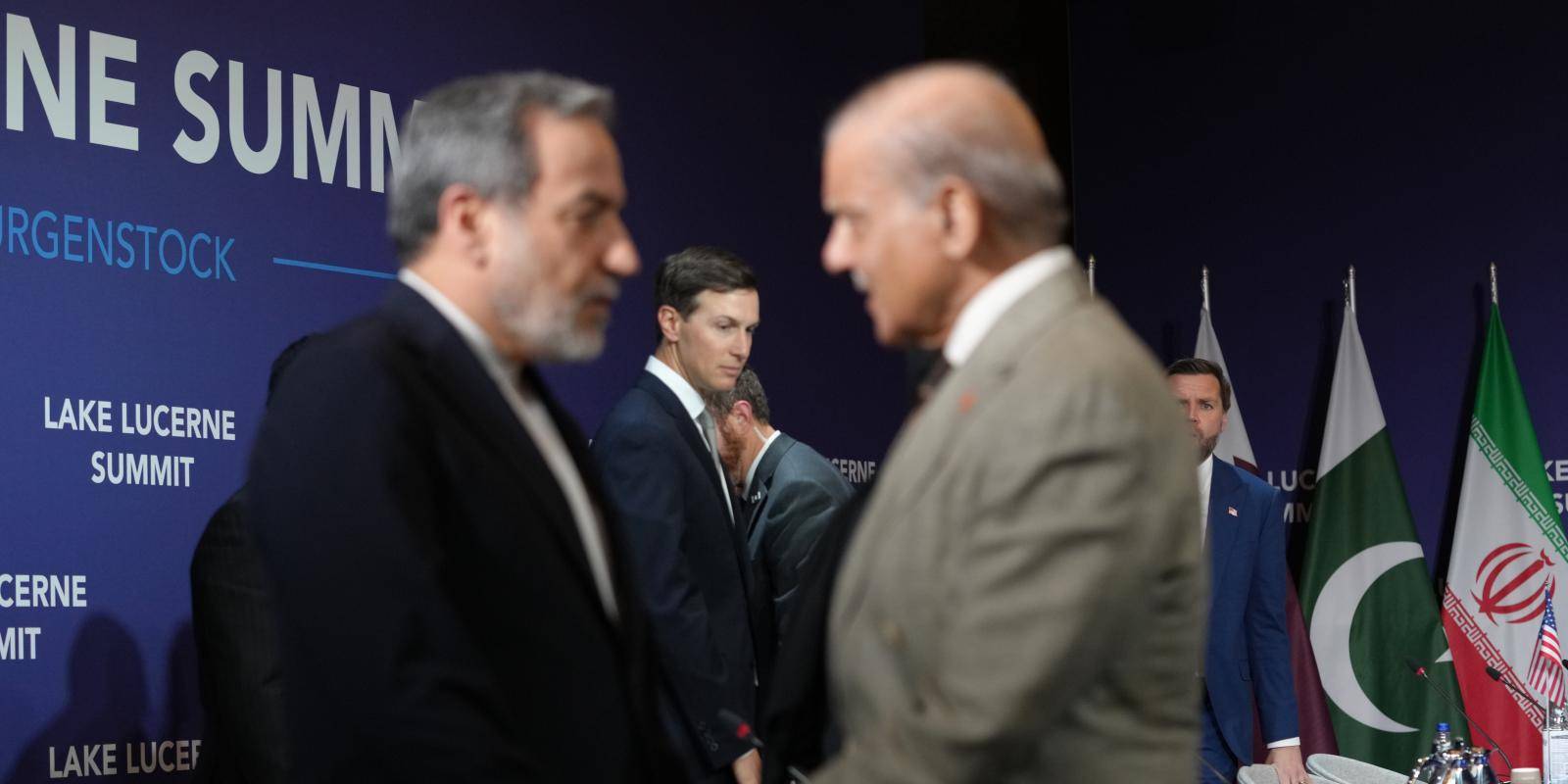
The two-day delay before negotiations began in Lucerne, Switzerland, illustrates the problem. Tehran postponed the talks after insisting that a ceasefire between Israel and Hezbollah forms part of the MOU. Iran was making clear that it does not regard Hormuz, Lebanon and the threat of renewed Israeli attacks as separate fronts.
The nuclear negotiations will be harder because of the unresolved outcome of the war. The two sides must decide whether Iranian enrichment can continue, what limits are placed on Tehran’s remaining capacity and what access the International Atomic Energy Agency obtains to damaged and possibly undeclared sites.
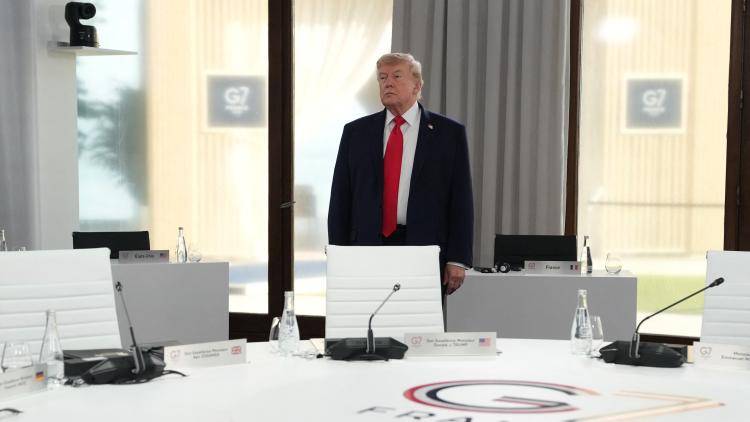
Trump will need to present any new agreement as an improvement on the 2015 nuclear deal negotiated by the Obama administration (the Joint Comprehensive Plan of Action or JCPOA). A final deal will therefore likely see a moratorium on enrichment, the down-blending or removal of Iran’s highly enriched uranium and a more intrusive monitoring system. Tehran however will resist compromises that strip it of what it considers both a sovereign right and a form of insurance.
Sanctions relief will be inseparable from these nuclear demands. Iran will want immediate and visible benefits including access to frozen assets, restored financial channels and investment. Washington will be reluctant to offer broad relief before Iran has made verifiable nuclear concessions. But Tehran will not want to surrender its remaining leverage before receiving meaningful benefits.
That question of trust will run through every stage of the process. After decades of hostility, Trump’s withdrawal from the JCPOA in 2018 and two wars there is little basis for confidence on either side. Israel adds another layer of uncertainty: Tehran will judge Washington in part by its ability to prevent renewed Israeli attacks on Hezbollah.