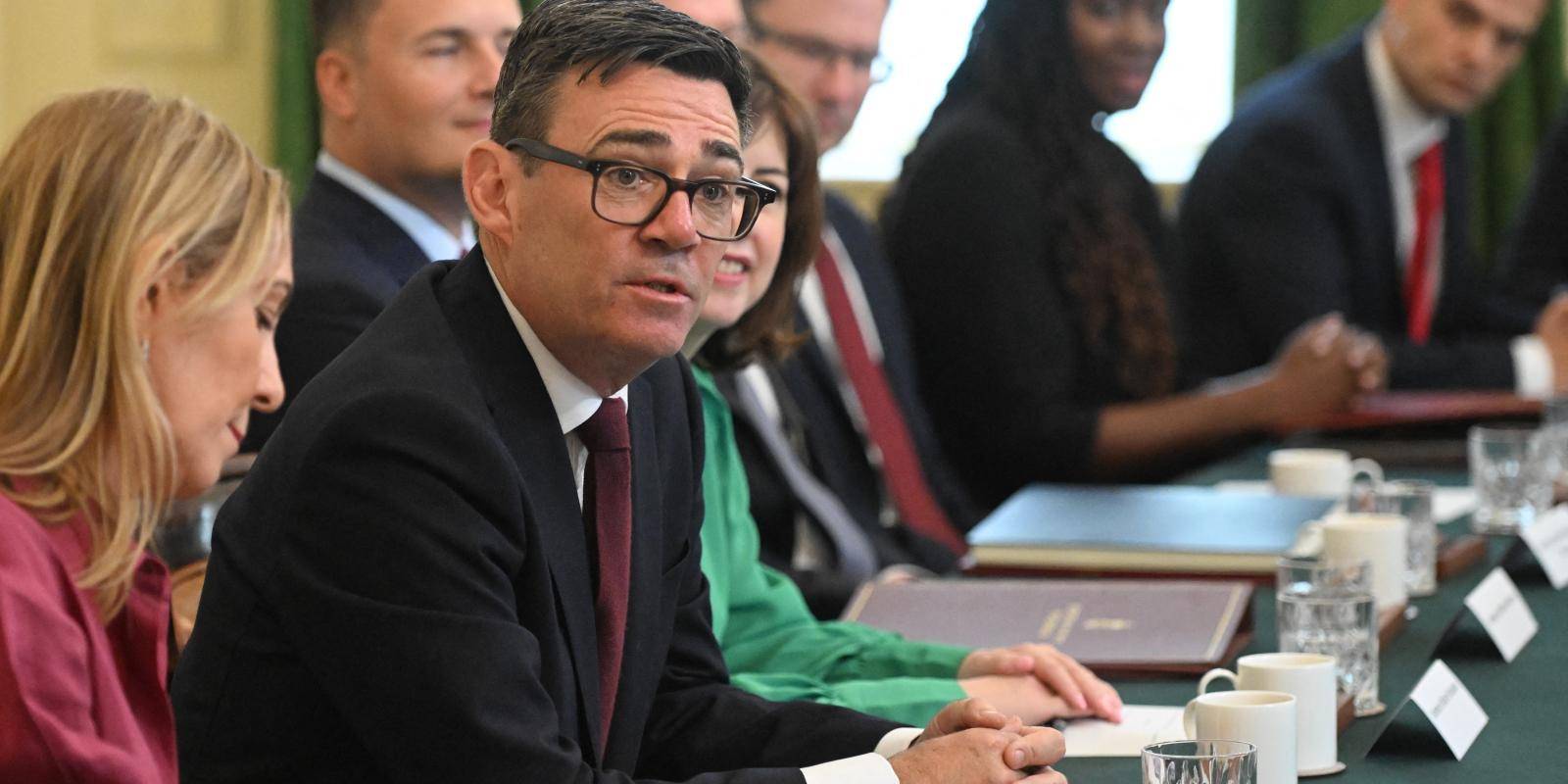


Andy Burnham arrived in 10 Downing Street earlier this week amid speculation about a possible change in energy policy. Specifically, whether he will support expanded North Sea oil and gas production, by greenlighting new drilling, reforming the windfall tax, and potentially rolling back Labour’s 2024 manifesto pledge not to issue new exploration licences.
Labour’s stance on North Sea oil and gas has become a lightning rod for criticism of its broader climate and energy policy, as the cross-party consensus on tackling climate change has broken down.
The Conservatives would scrap the 2050 net zero emissions target, claiming that it is making energy more expensive and driving deindustrialization. Kemi Badenoch has positioned the Tories as champions of the UK’s oil and gas industry, calling her party’s recent victory in the Aberdeen South by-election a ‘referendum on oil and gas’.
The Labour government has also come under not-so-friendly fire from trade unions and former prime minister Tony Blair. In a scathing article on the direction of the Labour Party, Blair called for the government to slow emissions reductions and extract ‘what is left’ of North Sea fossil fuels.
Pressure has even come from the White House. Amid rumours that Burnham would approve new drilling, President Donald Trump posted on Truth Social that it was ‘a big day for the country’ and that the people of Aberdeen were ‘dancing in the streets’.
Sources close to Burnham, however, were quick to emphasize that no decision had been made and that he was expected to uphold the manifesto pledge. The topic was also noticeably absent from his first speech on Monday.
The reality of North Sea oil and gas
At a recent Chatham House event, the executive director of the International Energy Agency, Dr Fatih Birol, questioned why the UK debate is so focused on the North Sea, noting that its remaining reserves afford no protection against high and volatile prices.
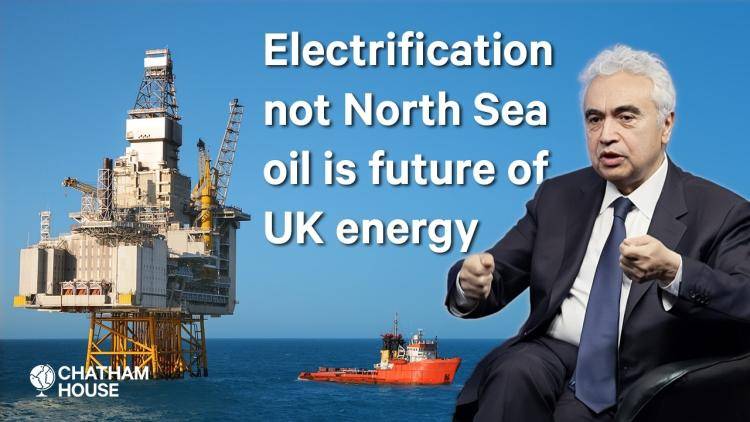
Electrification not North Sea oil is future of UK energy - Dr Fatih Birol
The answer is that North Sea oil and gas has been politically weaponized, leading to a distorted impression of the role it can be expected to play in Britain’s economic future.
This is due not to net zero, but to hard geological realities. After decades of exploitation, production on the UK Continental Shelf peaked in 1999 and has been in gradual decline since. According to the government regulator, as much as 93 per cent of the oil and gas it is likely to produce has already been extracted.
Most of what remains is already earmarked for extraction from existing fields. New drilling, the focus of so much political and media attention, might yield 74 million tonnes of oil and 381 TWh of gas according to the regulator – around half a year of UK consumption.
This translates into a continued long-term decline in tax receipts and jobs, even if fluctuating oil and gas prices – and new North Sea projects – provide temporary, modest boosts.
Annual oil and gas revenues to the Exchequer are expected to fall to £0.3 billion by 2030-31, down from £4.4 billion when Labour took office in 2024, and £9.1 billion when the Conservatives took office in 2010. New licences will not significantly alter this basic trajectory.
Employment in the sector has been declining for years, long before Labour took office. The number of jobs fell by a third between 2014 and 2023, despite hundreds of new licences being issued in this period.
The diminishing gains from North Sea oil and gas also flow to a shrinking subset of companies, and ever fewer workers concentrated in a single region of the UK. By contrast, the construction of a new energy system based on renewables and electrification represents an enormous growth opportunity with the potential to distribute benefits across the country.
This new energy system is a natural fit for Burnham’s flagship mission to decentralize political and economic power in the UK. A ‘Manchesterism’ for energy, if you will.
Decentralization
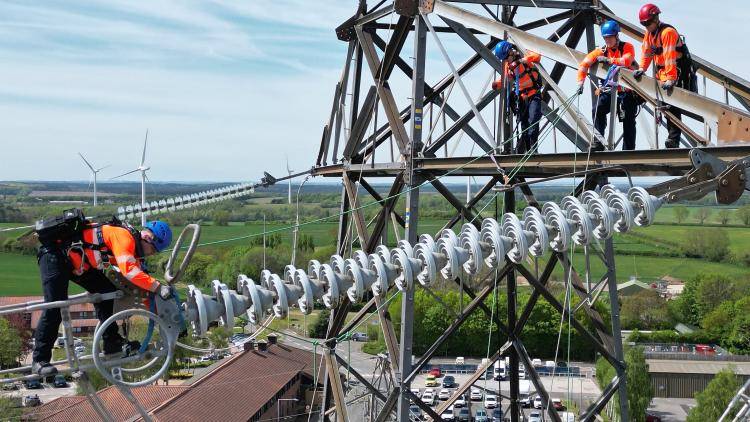
Energy systems based on lots of renewables tend to be less centralized than those based on fossil fuels.
Weather is one driver of this. It is sensible to situate solar farms in the sunny southern counties of the UK, whereas wind farms are usually found in the blustery north of England and Scotland – and in the North Sea.
Efficiency is another driver. Battery storage – which is an essential partner to variable renewable generation and plays an increasingly vital role in the UK’s system – tends to be built close to major sources of demand, like cities. This reduces the losses that occur as electricity is transmitted and limits the need to build new grid infrastructure, in turn reducing costs for consumers.
The tendency towards decentralization of the UK’s renewables-based system means that much of the tax take from the energy system, such as business rates paid to local authorities, is spread across the country.
The flexible and modular nature of renewable energy technology also lends itself to a range of ownership models – which means the benefits can flow directly to citizens and communities.
Jobs
According to the Confederation of British Industry (CBI), the UK’s net zero economy directly supported around 308,000 jobs in 2025, with another 520,000 jobs in the supply chain, and a further 234,000 in the wider economy.
These jobs – including renewable installation and maintenance, manufacturing, engineering, construction and professional services – are broadly distributed across the UK.
Many more jobs are set to be created in the next phase of the UK’s energy transition. While the UK has made impressive progress on the supply side – deploying renewables – much less progress has been made on the demand side, above all electrifying heating and transport.