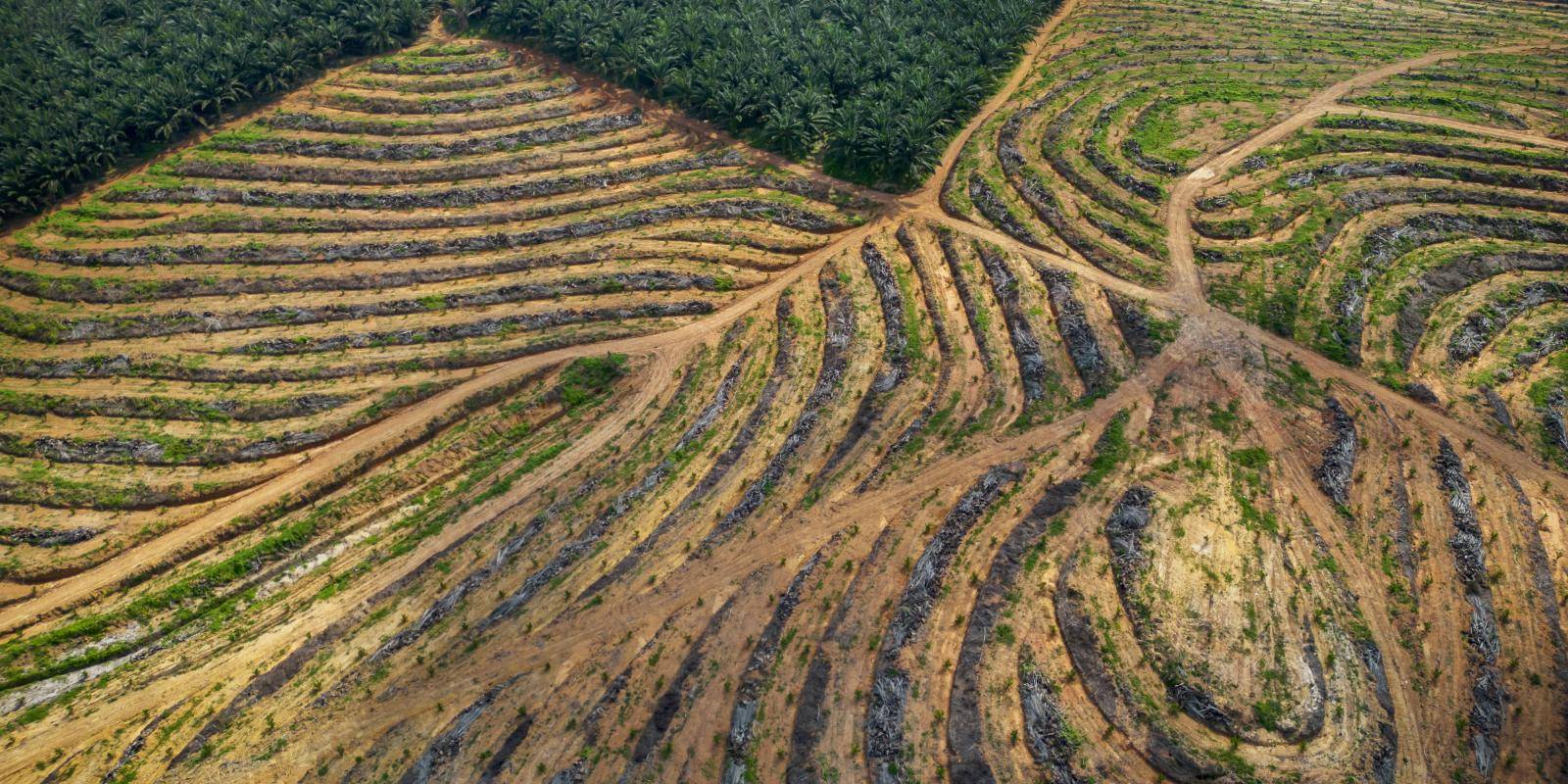


Biofuel production is set to expand rapidly over the next four years, as the search for alternatives to Gulf oil supplies gains momentum amid the US–Iran war. Our analysis indicates that an extra 36 million hectares of land – an area the size of Germany – could come under pressure globally as governments expand fuel-blending mandates. Additional production on this scale risks intensifying competition for land and food crops, contributing to food insecurity and incentivizing deforestation.
Policymakers must therefore treat biofuels as a targeted transitional measure to help bridge the current oil crisis, rather than a permanent solution to the problem of energy security. Our policy recommendations include stronger protections against deforestation, clearer land-use limits, enhanced criteria for feedstock sustainability, and the promotion of agroforestry and integrated approaches to land use.
DOI: 10.55317/9781784136871