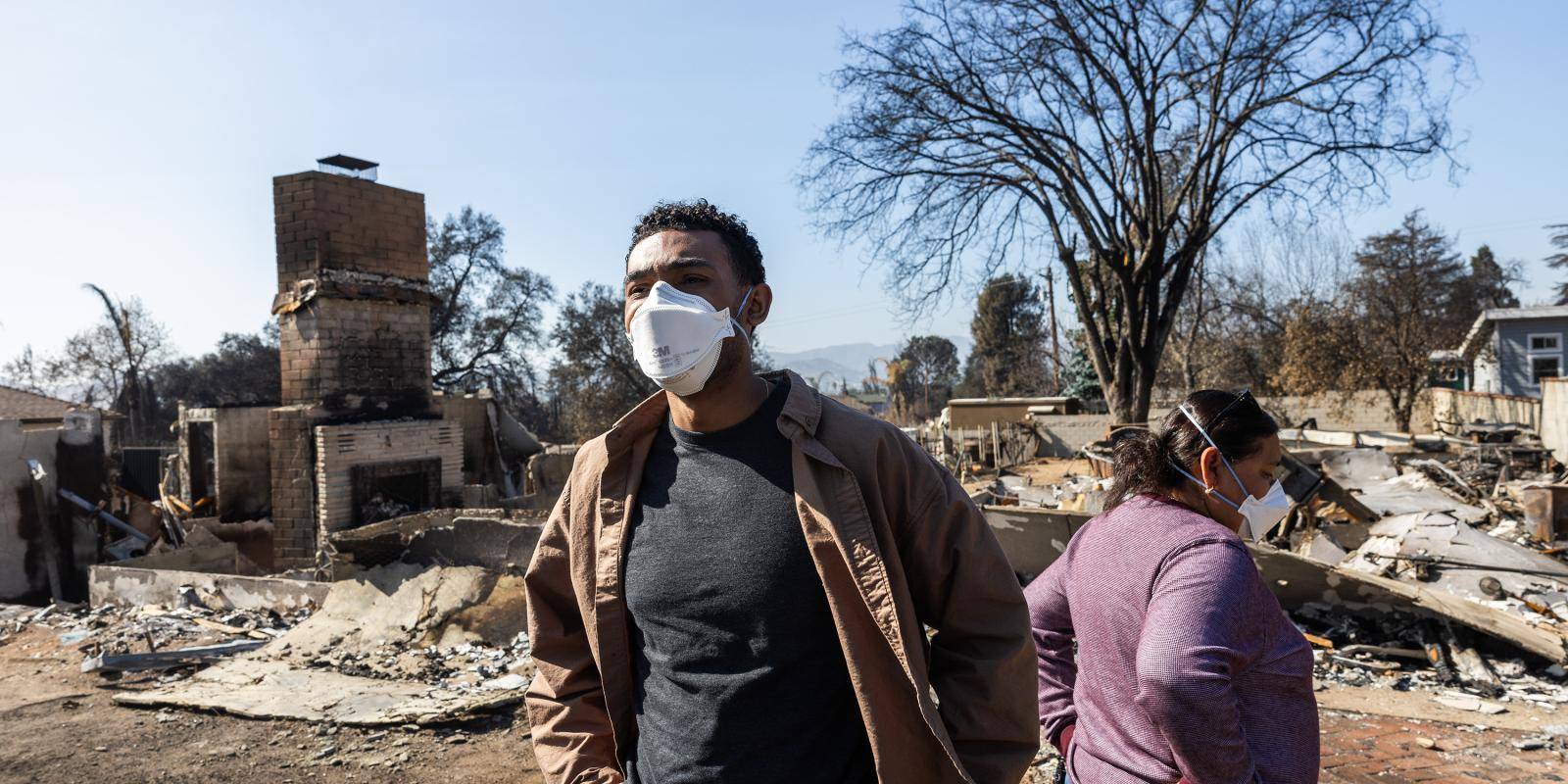


There are increasingly frequent headlines about how climate change is affecting insurance coverage and affordability: homeowners in areas prone to wildfires, hurricanes or flooding discovering that their existing policies cannot be renewed, or that cover has become unaffordable or vanished altogether. The word often attached to these stories is a stark one: uninsurability.
Beyond the headlines, banks worry about what declining cover means for the value of properties securing long-term mortgages. In turn, regulators worry about the systemic consequences if large numbers of properties lose value at once. Mayors worry about gaps in coverage impacting long-term investment in their cities. Governments, meanwhile, are becoming more interventionist as people are being priced out of protection, stepping in to keep cover flowing.
They are right to worry. But framing the problem as insurance failure misdiagnoses what is going wrong – and lets everyone else off the hook.
Uninsurability is a symptom of deeper problems
The term uninsurability implies that the issue lies within the insurance industry. But it is almost always a symptom of deeper problems – of which climate change is the most important, but far from the only one.
California is perhaps the most famous example of climate-driven market failure. While wildfire risk has undoubtedly risen, the retreat of insurance was as much a consequence of political choices to suppress premiums as of climate change. When the true cost of risk collides with an artificial cap on what may be charged for it, cover does not just become expensive – it becomes uneconomic to offer at all. Climate change did not break the market on its own; the market failed because society was unwilling to pay the true price of the risk it faced.
The pattern is repeated elsewhere. Yes, rising premiums reflect climate change. But they also reflect dysfunctional planning systems that permit construction in areas prone to climate hazards and decades of chronic underinvestment in risk reduction and resilience. Insurers are, in effect, the messengers: rising prices are among the first clear signals that risks have become intolerable. And shooting the messenger is always a tempting option.
The dangers of blaming insurers
The narrative that insurance is failing carries real reputational and regulatory danger for the insurance industry. As rising premiums and thinning cover drag on property values, societies will look to place blame and insurers risk becoming scapegoats for a collective failure they did not cause. Governments may respond with more intervention, tighter constraints on pricing and more pressure to write cover at a loss.
This narrative also creates danger in society at large. Insurers have built a uniquely sophisticated architecture to understand and price risk. That architecture is now increasingly signalling a stark truth: as climate change intensifies, historical decisions about where and how to build are rapidly becoming too costly – or too challenging – to maintain. When the plight of homeowners in California and elsewhere is only viewed as a failure of insurance, we miss the opportunity to have a vital public conversation not only about making today’s society resilient, but also about what structural changes and trade-offs are required for societies to thrive in a rapidly changing climate.
Prominent industry voices sounding the alarm on insurability can be helpful if the result is greater government action on emissions and adaptation. But it is not enough on its own. As climate impacts intensify, insurance will find itself dragged into uncomfortable political arguments about who bears the cost of loss and damage, which places are worth defending and which will have to be abandoned. This is unavoidable; insurance will shape these outcomes by determining what gets cover, who is compensated and who pays. An industry that has cast itself only as the bearer of bad news risks becoming viewed as part of the problem.
Where insurance can – and should – do more
All this obscures how much agency insurance has. Arguably no other industry is better placed to help societies adapt to climate change. Insurers have the data and models to anticipate how risks are evolving – exactly the intelligence governments and developers need to decide where to build and what to adapt. Risk-based premiums, so often cast as the problem, are among the most powerful adaptation signals we have. And insurers’ risk-advisory teams can help design the defences, retrofits and hardened infrastructure that keep places insurable in the first place.
This is not only about defending markets and preserving insurability – it is a genuine growth opportunity that also addresses a pressing societal need. A recent report from the UK Government Office for Science estimated cumulative global adaptation spending of £3.5 trillion over the next decade, with insurance highlighted among the sectors positioned to benefit. Other estimates of the market potential for adaptation goods and services are even higher. It is likely to be one of the defining market opportunities of the next 20 years.
The imperative is to get off the back foot: stop being the messenger and start being a solution. There are already signals of change. Capitalizing on this momentum means three things. One, being far clearer about what is needed from national and local governments on adaptation – not vague calls for ‘better planning’, but concrete asks tied to the risks insurers can see coming. Two, putting the industry’s modelling and advisory expertise to work on adaptation, visibly and at scale. Three, making peace with increased government intervention. Historically, the industry has eyed public schemes and public–private partnerships with suspicion, concerned that they will crowd out private insurance. But the use of these schemes will grow as concerns about insurability mount. Insurers should instead help shape them so they reduce risk rather than subsidise its accumulation, and support adaptation rather than undermine it through blunted price signals.
What governments should do
Climate adaptation is rapidly gaining momentum but is too often focused on technical solutions to flood and heat, not the economic and social architecture required to make adaptation a reality. Governments need to build the mechanisms for insurance to engage on adaptation early and at scale. At the national level, this could include establishing country platforms to coordinate and finance adaptation strategies. Similar mechanisms could be developed at the city level. Above all, governments must start having the conversations everyone would rather avoid: about where societies should adapt and where they should retreat – and they must involve insurers in these discussions.
The retreat of insurance from the climate front line is real and frightening. But it is also an opportunity. Read as a failure of the insurance industry, it will misdirect blame, encourage clumsy market interventions and delay adaptation. Read as information – and met by an industry willing to move from warning to action – it could instead prompt the urgent work and hard choices that a warming world demands. That choice, for now, is still ours.