Exploring the drivers of the diverging and diversifying systems of government across Africa continues to be a key focus of the Africa Programme’s work on elections and political systems. Understanding these drivers is crucial if transparent institutions are to be fostered and sustained.
Since its inception, the Africa Programme has produced regular publications and hosted events aimed at helping international policymakers better understand the domestic and regional implications of the increasing number of elections held on the continent.
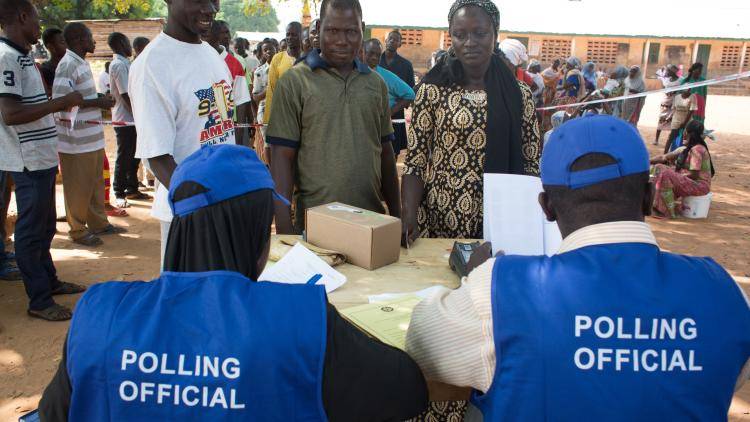
Programme staff regularly participate in pre-election assessments and election observation missions across Africa: most recently in Mozambique, Malawi, Botswana and South Africa. The 2024 South African election saw the African National Congress (ANC) lose its majority for the first time since the country’s first democratic elections in 1994. The Africa Programme published pre-election analysis and subsequently explored the implications of the new coalition government.
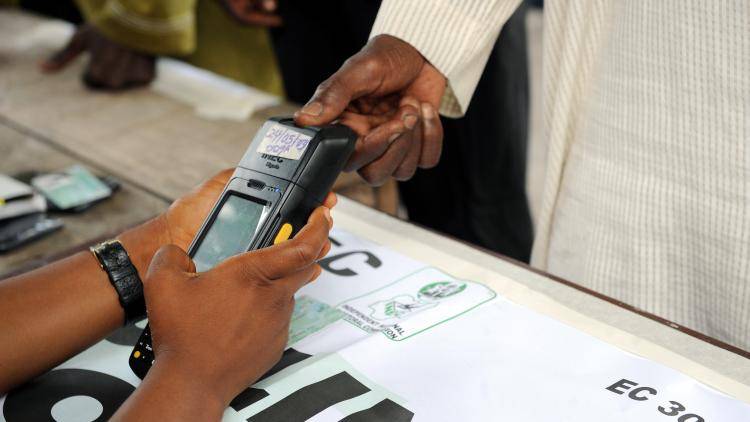
Ahead of Nigeria’s 2023 elections, we hosted three of the front-running Presidential candidates: Bola Ahmed Tinubu, Peter Gregory Obi and Rabiu Musa Kwankwaso. These public events allowed for the analysis of the candidates’ policy priorities. The programme also hosted Professor Mahmood Yakubu, chairman of Nigeria’s Independent National Electoral Commission (INEC), enabling insight into INEC’s electoral preparations. Analysis and commentaries were published following the elections reflecting on the factors contributing to low voter turn-out and the lessons learned from the newly implemented bi-modal voter system.