Reckoning with the mounting social costs of war
Given the unprecedented scale and complexity of the damages done to human capital, the Ukrainian government must first acknowledge that it cannot address the needs of social recovery alone.
Five years of Russia’s illegal aggression have devastated Ukraine’s cities, communities, citizens and infrastructure – the foundations of any national economy. According to the World Bank’s most recent assessment, the war has already caused $195 billion of direct damages. The needs of the social sector (including education, healthcare, housing and social protection) account for $201.2 billion – more than a third of Ukraine’s total recovery needs of $587.7 billion.
As the war continues, further shrinking of the labour market and tax base will inevitably hamper Ukraine’s recovery efforts. This challenge is already being reflected in the macroeconomic data. Ukraine’s GDP shrunk by almost a third in 2022, before rebounding (to 5.5 per cent) in 2023. The growth rate has since slowed, falling to just 1.8 per cent in 2025. Ukraine’s overall GDP remains more than 20 percentage points below its pre-war baseline.
Establishing a new model for the post-war social recovery
Ukraine’s pre-war economic model, centralized energy infrastructure and institutional designs cannot serve as a basis for the post-war recovery. The old model is not fit for the modern society that Ukraine’s people aspire to create.
Recovery demands a fundamental reconfiguration of the state’s obligations to its citizens. If this ambition is to be met and the Ukraine’s Economy of the Future (UEF) initiative is to succeed, the government must prioritize protecting Ukraine’s human capital and engage all stakeholders in the recovery effort.
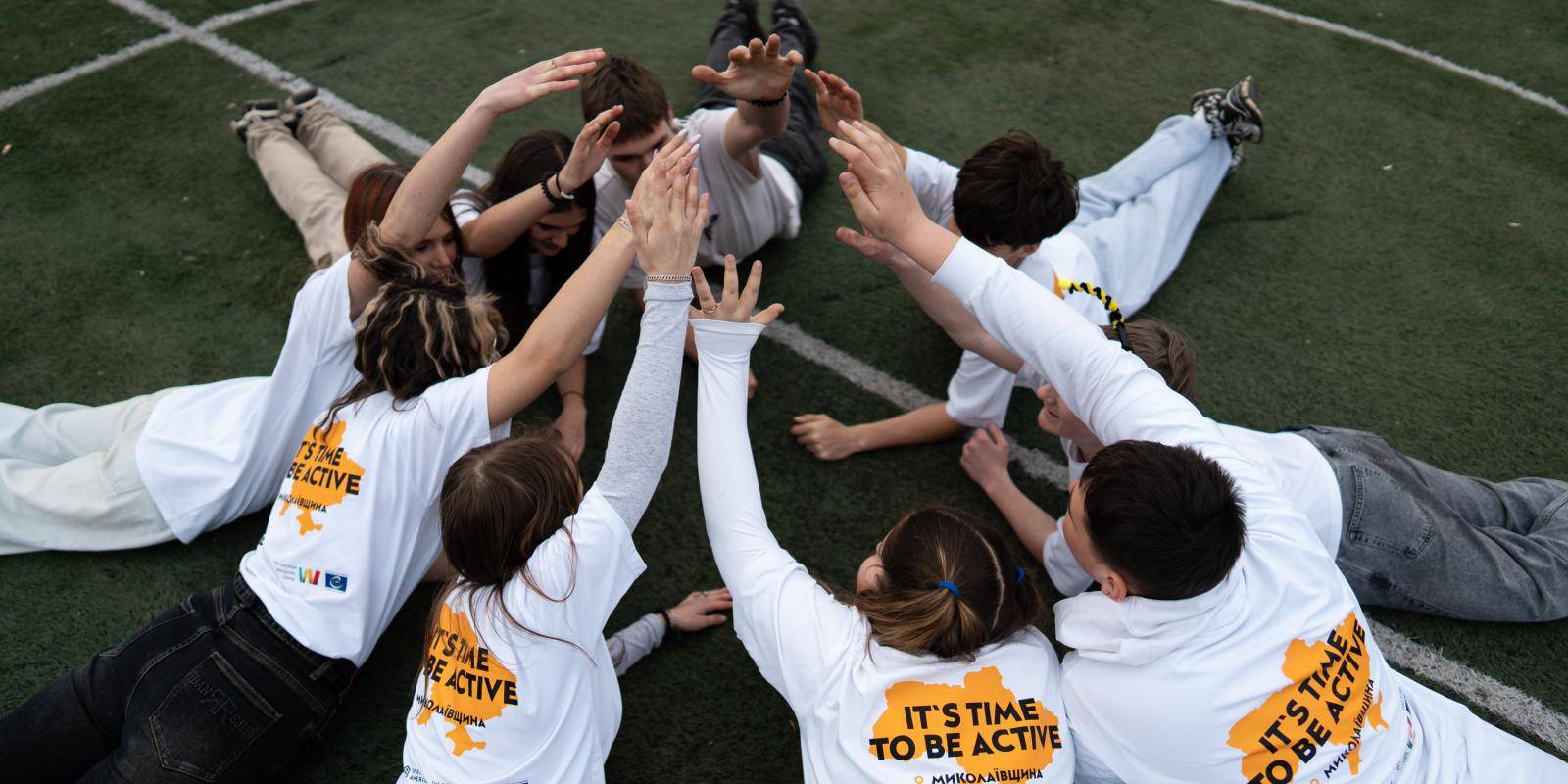
Ukraine’s success in resisting Russian invasion lies in its ‘whole-of-society’ model of defence – which involves a high level of mobilization among citizens, private sector, philanthropic organizations and local community leaders.
Ukraine’s success in resisting Russian invasion lies in its ‘whole-of-society’ model of defence – which involves a high level of mobilization among citizens, private sector, philanthropic organizations and local community leaders. During the first month of the full-scale invasion, more than 100,000 people from civilian professions joined territorial defence units. Just as the civilian technology sector revolutionized contemporary warfare by repurposing its engineering talent, software programmers and commercial technology for the production of autonomous weapons systems, the next frontier for Ukraine is to apply the same innovative and collaborative spirit to its social sector.
By applying this ‘whole-of-society’ approach to the recovery and harnessing technological innovations, Ukraine can create the preconditions for a new ‘social contract’ to emerge – one based on a resilient social welfare architecture designed to restore and develop human capital both during and after the war. To enable this to happen, the Ukrainian leadership must engage in substantive discussion about responsibilities, resource allocation and the values underpinning Ukraine’s social recovery – similar to the UEF initiative.
This paper shows how a ‘whole-of-society’ recovery can create these preconditions – discussing what is happening already and what still needs to be done, followed by recommendations for decision-makers and civil society on actions to take.