Syria’s problems are more than ‘sectarian’ – only a true national dialogue will address them

Reductive descriptions of recent violence and flawed elections distract from President Ahmed al-Sharaa’s shortcomings in delivering the democracy that Syria’s complex society demands, writes Rime Allaf.

The World Today

Published 15 September 2025

Updated 17 September 2025 — 5 minute READ

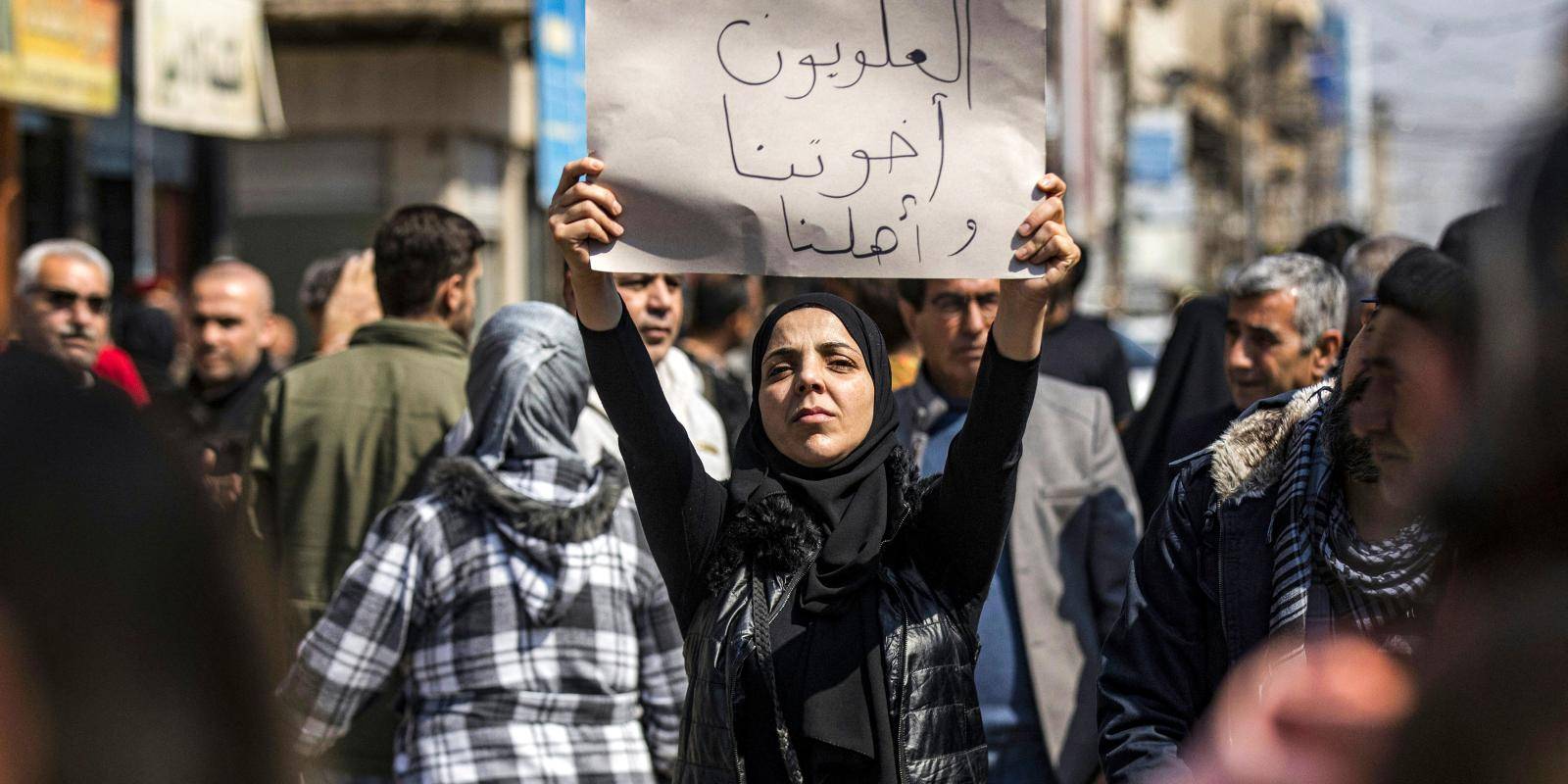
Image — A Syrian woman holds up a sign in Arabic that reads ‘Alawites are our brothers and family’ during a protest in Qamishli against a wave of violence. Photo: Delil Souleiman/ AFP via Getty Images.

Rime Allaf

Syrian writer; Former Associate Fellow, Chatham House

The euphoria that Syrians felt after Bashar al-Assad’s hurried flight from the country in December 2024 came laden with expectations that a better future would quickly follow the collapse of his violent regime. Most understood, however, that this would partly depend on international recognition of the new Islamist authorities.

Reassuring signs came swiftly. Officials from major powers rushed to Damascus to meet Ahmed al-Sharaa, Syria’s new leader, and launched fresh diplomatic and economic ties. In May, President Donald Trump announced the lifting of US sanctions that had stifled the Syrian economy for decades.

Access the archive

The current issue is open access with previous editions reserved for our members and magazine subscribers.

Subscribe