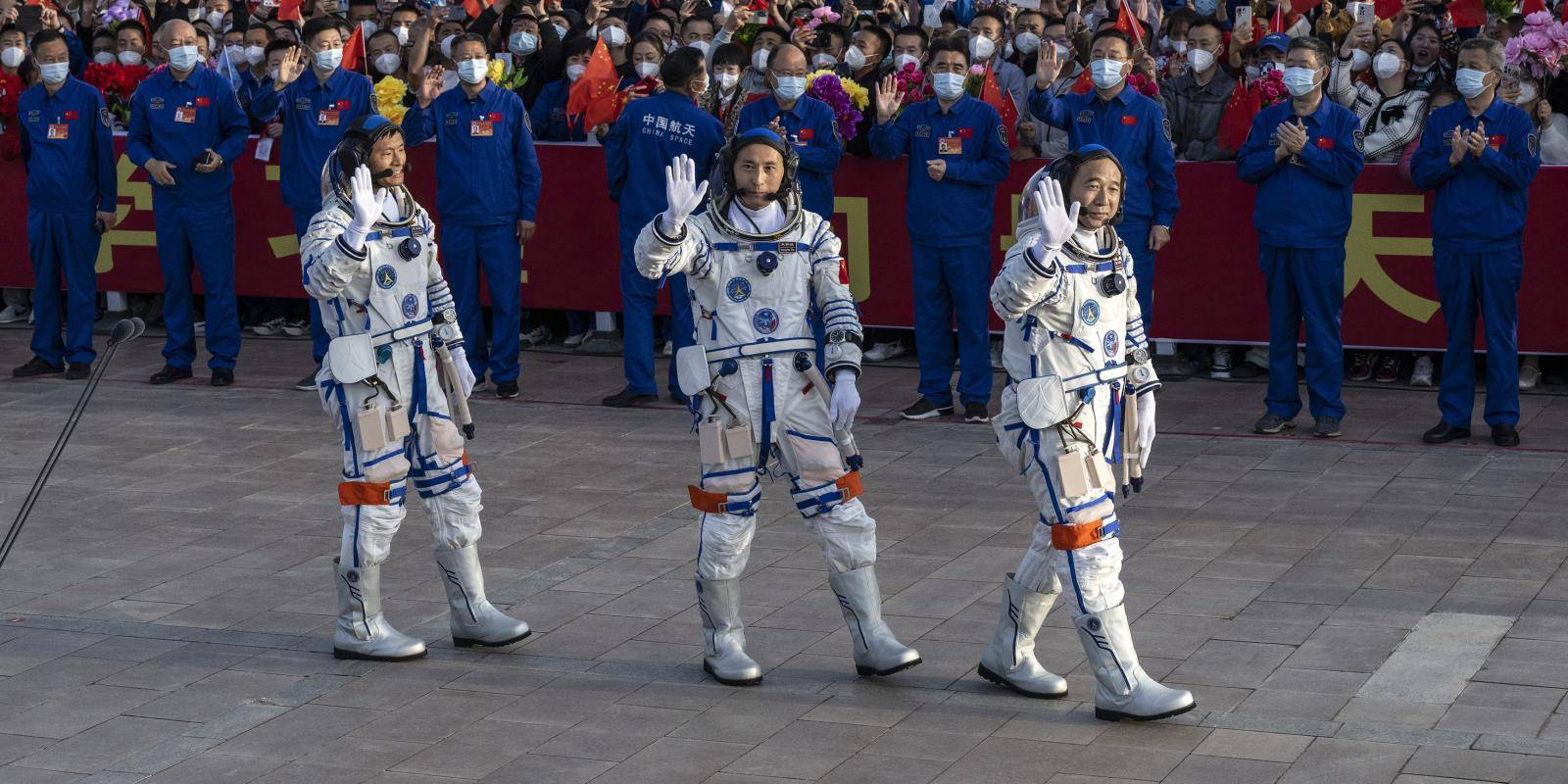

The appointment of five prominent scientists to the Politburo of the Communist Party of China (CPC) in October 2022 confirms a fundamental shift in policy emphasis within the party leadership from maintaining double-digit economic growth to building resilience against external shocks.
President Xi Jinping has long held the ambition for China to achieve economic, scientific and technological self-reliance. The current intense focus on addressing technological ‘chokepoints’ reflects Beijing’s concerns about the extent of the country’s dependence on overseas suppliers for semiconductors and other critical components.
The five scientists featured in this research paper all had significant successes in their respective fields – ranging from space to environmental and nuclear sciences – prior to embarking on their political careers, and have built important connections abroad. Their elevation to the Politburo rewards not just their scientific accomplishments, but also their loyalty to Xi. At a time of deepening geopolitical rivalries, as well as a shrinking of the space for individual freedoms and creative thinking within China’s institutions, the expectations on them to drive innovation at home and grow the digital economy in line with the CPC’s own governance standards are high.
DOI: 10.55317/9781784135843