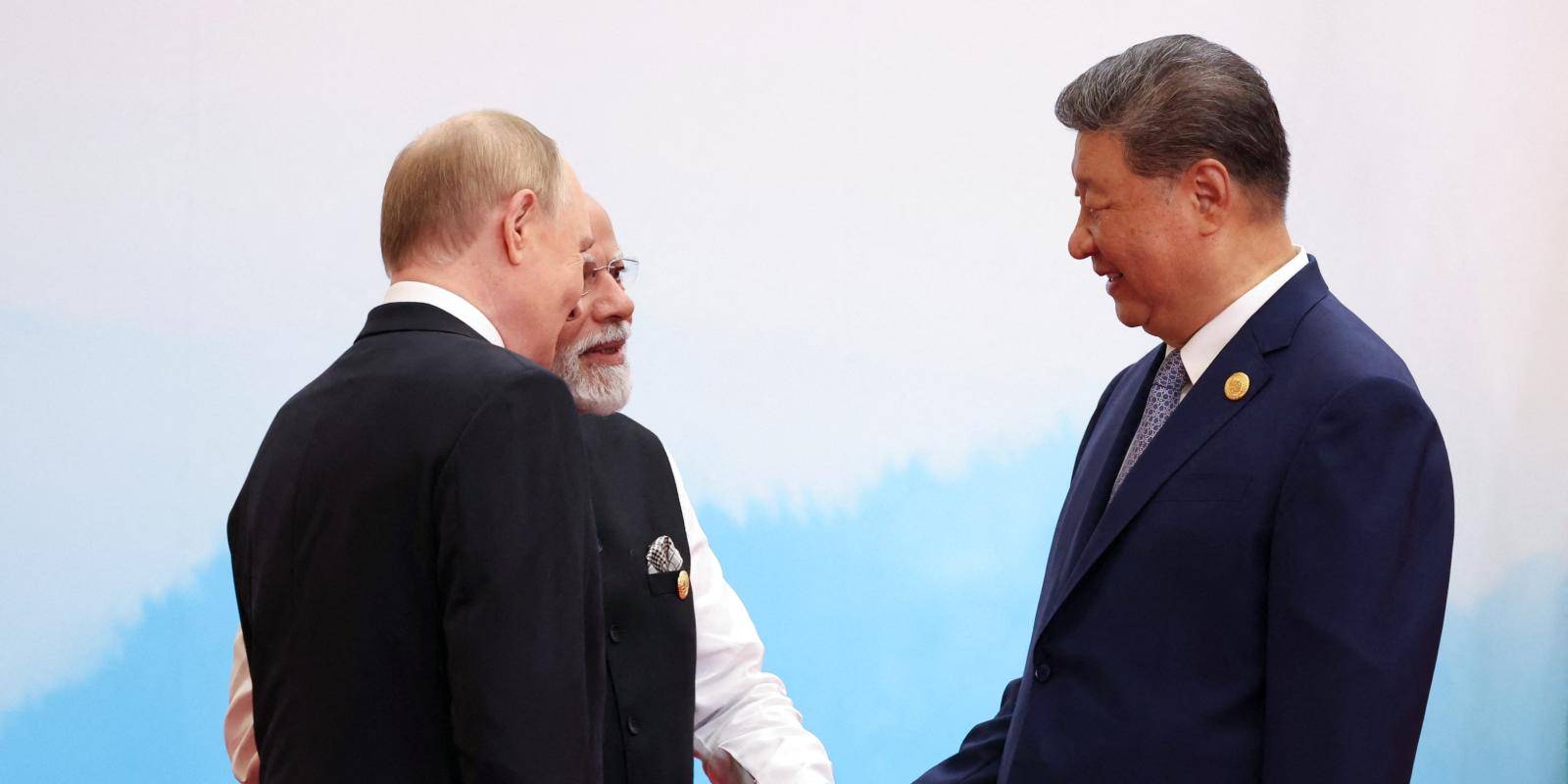

As summer winds down, Beijing has entered diplomatic high season by packing two major events into a single week: the Shanghai Cooperation Organization (SCO) Summit in the northeastern city of Tianjin and a Victory Day parade to mark the 80th anniversary of the end of the Second World War, held in Tiananmen Square in Beijing. The symbolism is hard to miss. The events send a clear message – China is casting itself as the standard-bearer of a multipolar world led by the Global South, set against the Western narrative of a US-led liberal international order.
Both events are carefully staged pieces of political theatre, blending diplomatic posturing, military strength and historical narrative. And China has a dual audience in mind, aiming to boost public morale at home while projecting power and influence in its neighbourhood and beyond.
Chinese strategists have long stressed that the purpose of foreign policy is to create an external environment that is conducive to domestic economic development. This fundamental principle dates back to former Chinese leader Deng Xiaoping and has become the current leadership’s mantra for navigating a tumultuous international environment.
The participant countries of the two events confirm that China’s strategic focus remains Asia. With over 30 heads of states and international organizations participating, most major Asian powers are present – with the notable absence of Japan, South Korea, Singapore and the Philippines, all close US security allies.
An alternative world order on display at SCO summit
The SCO is a regional body that emerged in the 1990s with an initial focus on resolving border disputes between Central Asian states. But more recently it has evolved into a forum aimed at projecting a non-Western alternative worldview. Members include China, India, Iran, Pakistan and Russia. Leaders from Turkey and Serbia also attended the China summit.
China understands clearly the opportunity it has been given by President Trump’s inward-looking foreign policy and his ‘maximum pressure’ approach to US trading partners in the region. Beijing has so far capitalized on Trump’s retreat rhetoric by doubling down on its diplomatic charm offensive to either reset or strengthen its bilateral ties with a wide range of countries in the region and beyond.
At the recent summit, President Xi Jinping took the opportunity to introduce the Global Governance Initiative, adding to the previous initiatives on global development, security and civilization. Although the exact framework of the new governance initiative is yet to be defined, it shows China’s intent and stands in stark contrast to President Trump’s move to withdraw the US from many UN-led multilateral organizations.
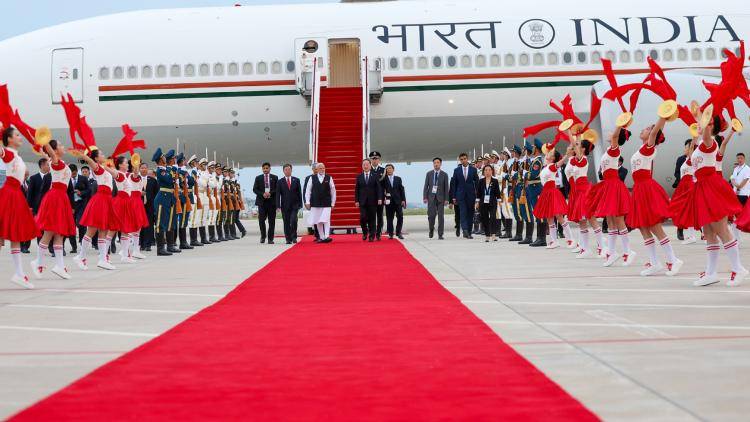
One of the most high-profile participants at the summit was India’s Prime Minister Narendra Modi, signalling a clear shift after several years of bitter disputes between the world’s two most populous countries. Modi’s visit to China also took place in the wake of Trump’s 50 per cent tariff on India, a shock to a country which has viewed itself as a reliable partner to Washington.
Readouts from Saturday’s meeting between Modi and Xi indicate that both sides are willing to acknowledge and work towards overcoming some of areas of disagreement in their bilateral ties. They also stress that the China–India relationship is ‘not subject to the influence of any third party’.
Beijing views the SCO summit as a platform to help it realize its vision of global relations: a world in which the West plays a diminished leadership role, while non-Western countries step up to help shape a multipolar world order.
Beyond pomp and circumstance
The message of a new world order on the horizon will be echoed on Wednesday when Beijing will be the backdrop for a massive military parade commemorating the end of the Second World War – with many of the leaders from the showpiece summit in attendance.
The parade is more than an occasion to show off China’s military might; it is designed to show that China is not only a superpower, but a great power rooted in the developing world. For decades, the global narrative of the Second World War has emphasized the contributions of the United States, Europe and the Soviet Union, while downplaying China’s sacrifices and those of other countries in the region. The parade gives Beijing a chance to tell its side of the story.