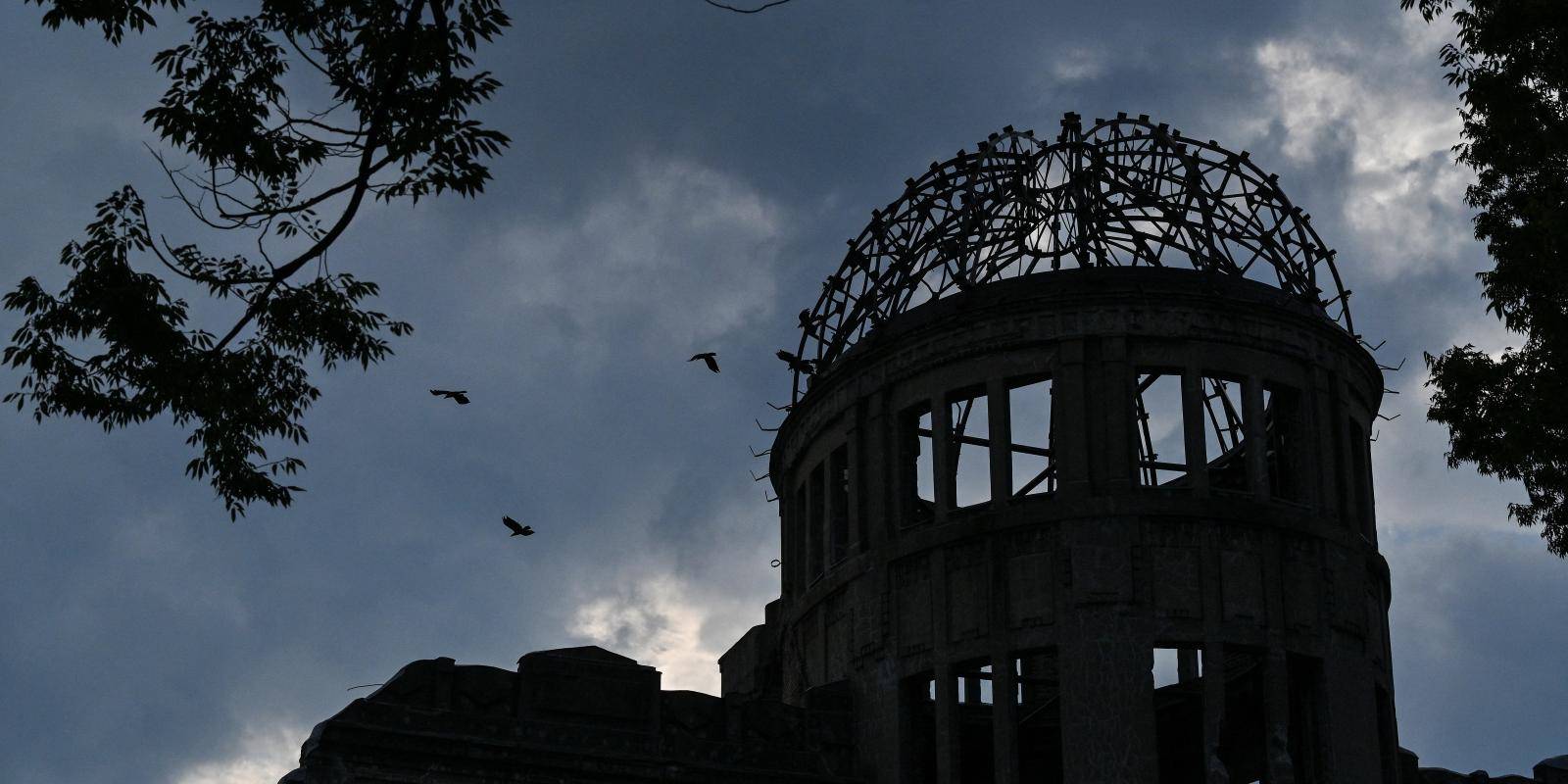


This week marks the 80th anniversary of the nuclear bombings of Hiroshima and Nagasaki by the US at the end of the Second World War, the first and to date only use of nuclear weapons.
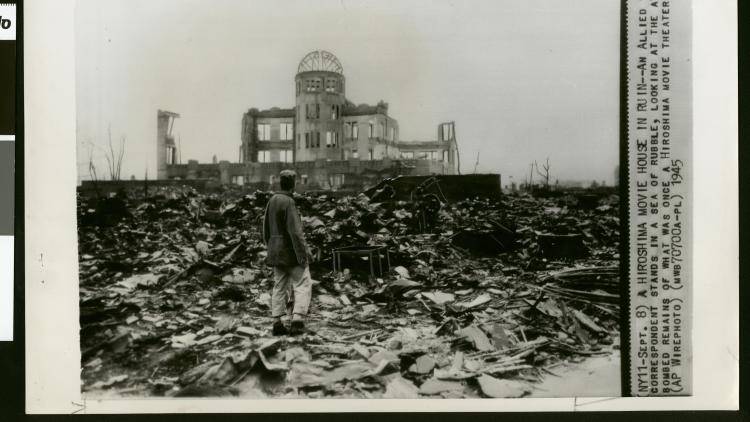
Almost a century on, it is easy to forget the devastating impact of the attacks. Between 110,000 to 210,000 people were killed by the bombs and their immediate aftermath. Entire communities were wiped out in seconds, while emergency services collapsed and hospitals were obliterated. Tens of thousands more died over the following decades from radiation-induced illnesses and cancer.
For survivors of the bombings, known as hibakusha, the psychological and social toll spanned generations. Many of them faced not only chronic health issues, but also social stigma and discrimination. Some survivors struggled to find employment or romantic partners due to physical disfigurement or fears of genetic illness. To this day, Japan remains the only country where long-term, intergenerational impacts of nuclear weapons have been studied in depth.
Resurgence of nuclear risk
Despite this painful legacy, today’s nuclear risks are dramatically increasing. Since the end of the Cold War, nuclear weapons have largely been treated as political tools of deterrence. They have been acknowledged to be too destructive to ever be used again.
That posture is shifting. Some policymakers and military strategists are again entertaining the notion of ‘limited nuclear war’, or the battlefield use of ‘tactical nuclear weapons’ – less powerful and designed to be used in military situations. These terms are misleading. Many ‘tactical’ nuclear weapons are far more powerful than the bombs used in Japan. Their use would still result in mass civilian casualties, long-term radiation damage, and likely strategic escalation.
The resurgence of nuclear risk and proliferation is driven by overlapping factors. Moscow’s repeated nuclear threats since its invasion of Ukraine in 2022 are slowly chipping away at long-standing taboos against nuclear use. The conflict has also revived debates over whether other states need to develop nuclear deterrence capabilities as the ultimate security guarantee.
Iran, under pressure from recent attacks by Israel and the US, has threatened to leave the Non-Proliferation Treaty (NPT) – the cornerstone of nuclear arms control. Domestic calls to progress its nuclear weapons program are increasing. North Korea continues to expand its arsenal while forging closer ties with Russia. India and Pakistan remain locked in a volatile rivalry, both armed with nuclear weapons and frequently skirmishing along contested borders.
These developments have greatly increased the risk of regional proliferation, with countries like Saudi Arabia, South Korea and Poland openly reconsidering their nuclear postures in light of eroding US security guarantees. Even within Japan, a country that until now has been a forceful voice against nuclear proliferation due to its devastating history, calls to develop a nuclear programme are emerging due to fears of China’s nuclear buildup.
Adding to the risk is technological change, which is outpacing diplomacy. The greater integration of artificial intelligence in decision-making and the growing importance of space-based platforms are transforming how nuclear weapons might be used – or misused. These developments change the strategic calculus, reduce the time leaders have to make life or death decisions, and increase the risk of accidental escalation.
Against this context, the legal and diplomatic frameworks built over decades to manage nuclear risks are unravelling. The permanent members of the UN Security Council (P5), as well as India and Pakistan, are expanding and modernizing their nuclear arsenals. North Korea is also expanding its arsenal.
The NPT, long considered the cornerstone of non-proliferation, is under unprecedented strain. The P5 have largely abandoned meaningful dialogue on arms control. Trust among major powers is scarce, bilateral and multilateral arms control negotiations have stalled, and multiple treaties have collapsed.
No silver bullet
The tools to address these growing risks have been on the table for a long time. Developing new risk reduction solutions has been a large strand of work in the NPT review process since at least 2017. There are also many known risk reducing and confidence building measures from the Cold War that could be updated and re-used.