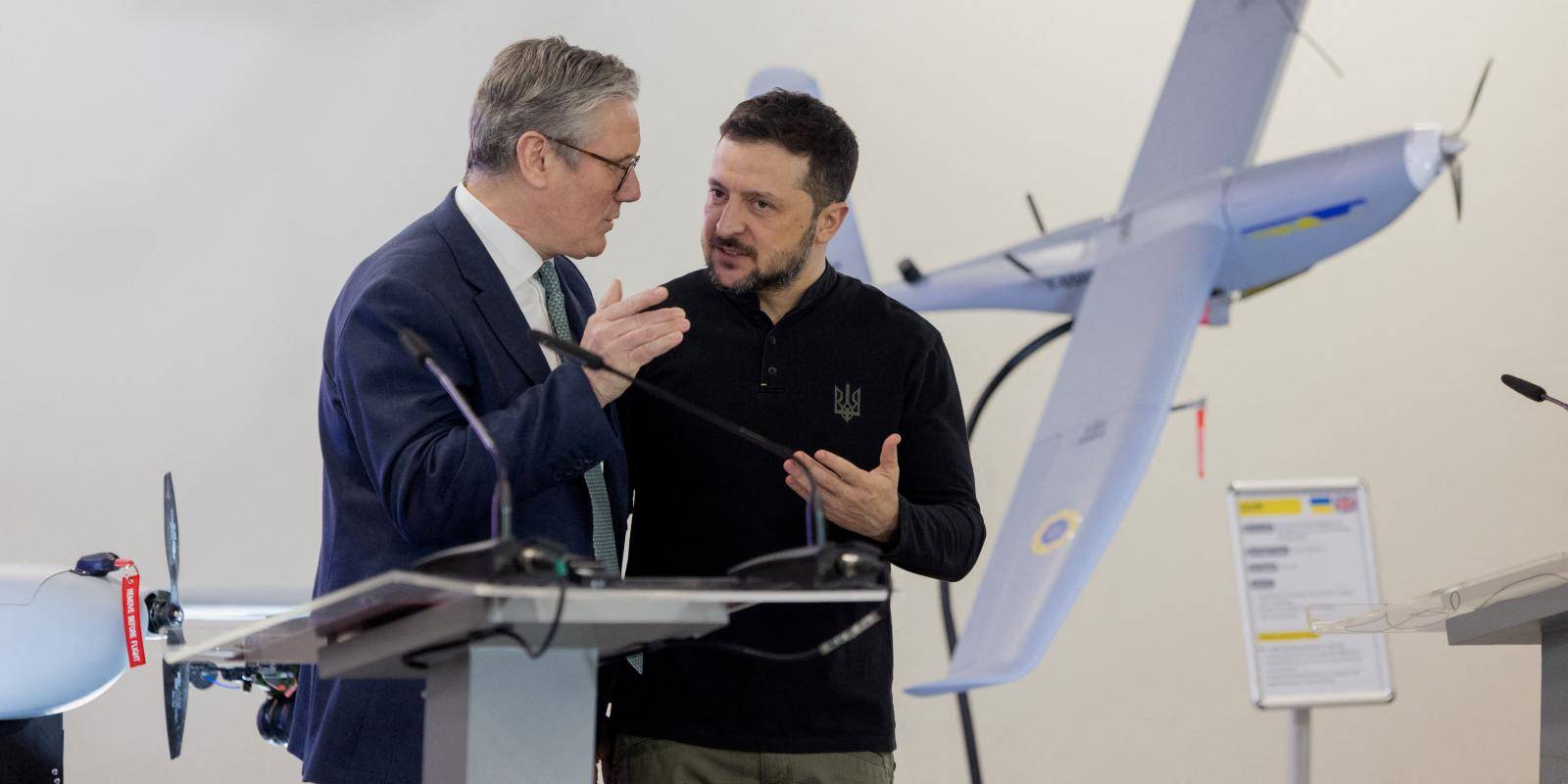

Two major features dominated UK defence and security in 2025: the publication of the Strategic Defence Review (SDR) in June and discussions, led by Britain and France, to form a ‘coalition of the willing’ to underpin a ceasefire or settlement in Ukraine. Both draw attention to the same imperative: the need for a transformation in UK defence.
The SDR described a world dominated by state-level confrontation and conflict, playing out amidst combinations of population growth, climate change, nuclear weapons proliferation, and the extraordinarily pervasive effects of the digital age.
It contrasted the level of threat with the much-diminished potency of the UK armed forces. All three services were reduced in size, quality and readiness during the 30 years since the fall of the Berlin Wall – even accounting for the ‘War on Terror’ and commitments in Afghanistan and Iraq.
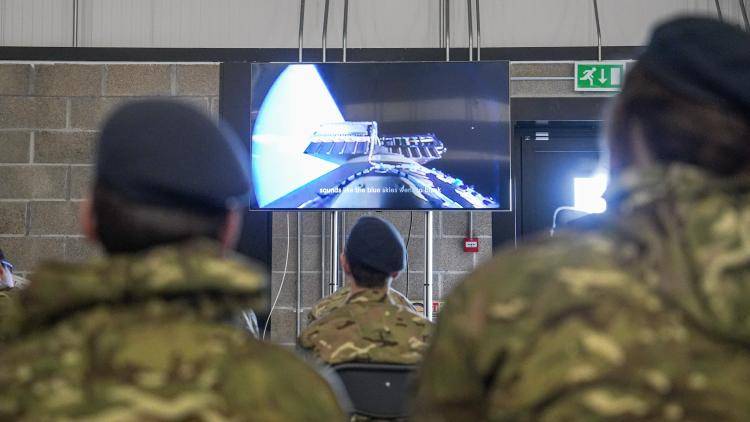
Writing the review, my fellow authors and I concluded that restoring deterrence in this new era of major strategic risk could not be based upon rebuilding ‘traditional’ model forces. With armed forces evolving at the speed of technological innovation, a new industrial partnership is required to make the UK ready for the modern battlefield. And it must arrive at speed.
Recent probes by drones and fighter aircraft into Polish and Estonian airspace show that the Russian threat is urgent and applies across the continent of Europe – and that Moscow has every intention of testing NATO’s defences and willingness to react.
The UK should progress reform at speed to meet the challenges ahead – particularly if it is to lead efforts to provide security guarantees for Ukraine.
Ukraine’s lessons
Nobody anticipated the current situation in the war in Ukraine, or how both sides have changed the way they fight. Russia is edging forward through a succession of very small gains at extraordinary cost in people and material. It has yet to show the ability to break through Ukraine’s defences or exploit such a gap.
Ukraine has strained every sinew to contain the Russian invasion to 20 per cent of its territory. It has also taken its fight to Russian held territory and to Russia itself, making innovative use of drones and missile technology to strike at the Black Sea Fleet, Crimean bridges and oil installations among many other targets.
But, despite a recent counterattack in the Sumy region, Ukraine shows no sign of finding the people and equipment to field the offensive military capability necessary to take back its land – especially since US support has become so unpredictable under the administration of President Donald Trump. Neither does Kyiv have the willingness to absorb the great loss of people that would be involved.
That means that, one way or another, a ceasefire and possibly a settlement is becoming more likely, perhaps as soon as next year. That will demand that the UK provides the guarantees it has promised. But is it ready?
New technology for a new deterrence
Settling matters in Ukraine is in Britain’s national interest because it is the very best way to establish the terms of a new security relationship to Russia for the whole of Europe.
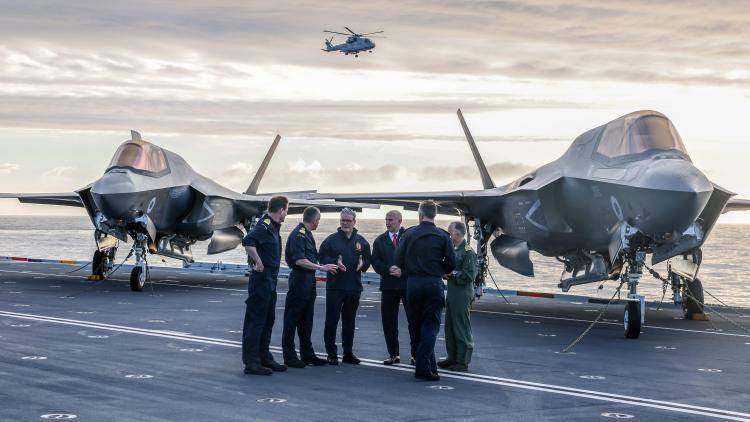
The reverse is also true: failing to guarantee an outcome in Ukraine will create a much greater chance of Russia attacking again, either in Ukraine or elsewhere in Europe.
Supporting Ukraine could catalyse the development of a more independent and resilient European defence over time. But it will not be easy: President Trump has made it clear that Europe will no longer receive the US subsidy it has relied on since 1949.
And European defence requires deterrence at the level of ‘escalation dominance’ – the creation of certainty in Russia’s mind that military opportunism will result in blows that far outweigh any putative gains. The ‘coalition of the willing’ has to find the strength of purpose necessary to underpin such an effort, outside the US-backed power of NATO.