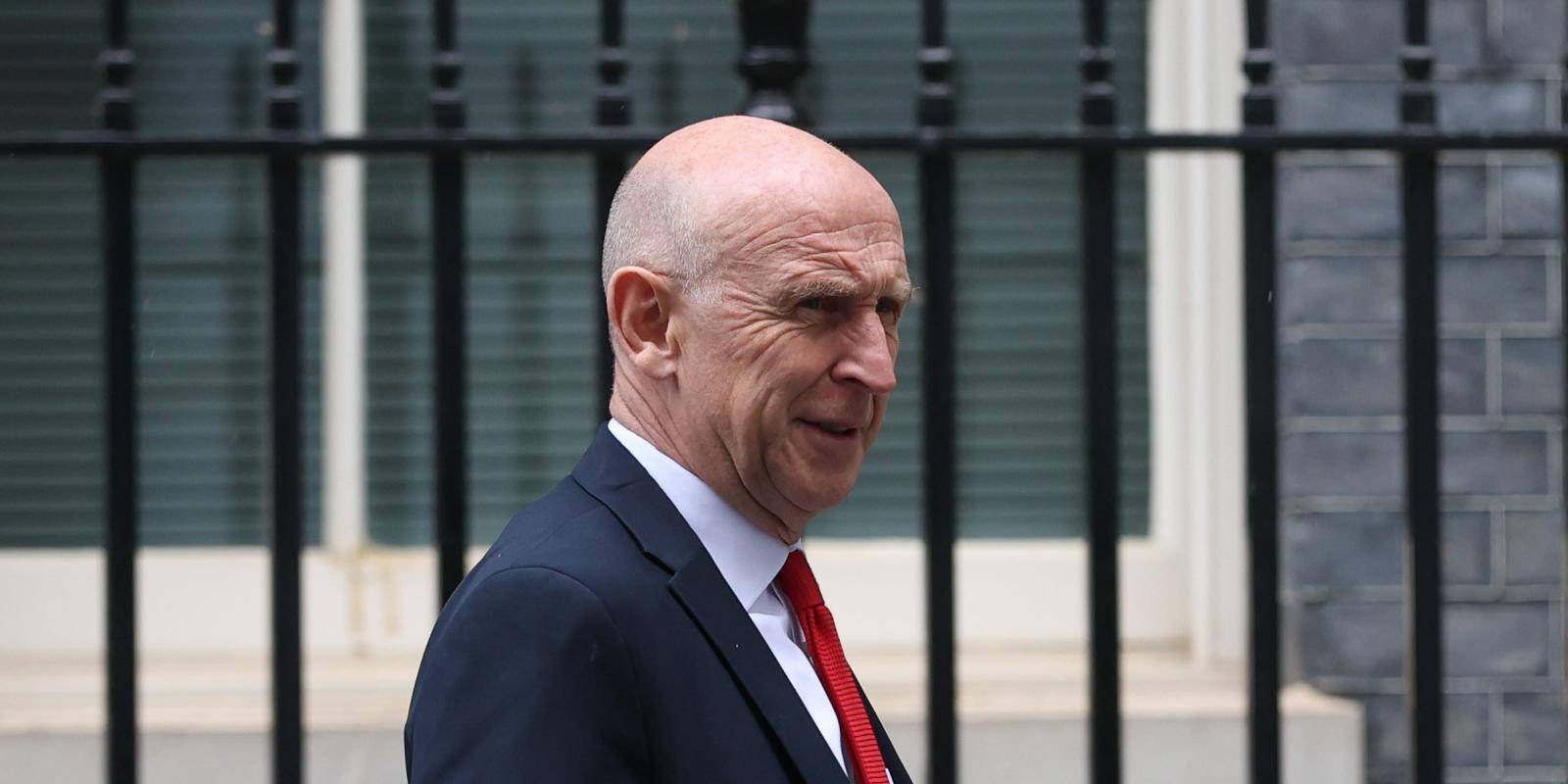

UK Defence Secretary John Healey resigned on 11 June. In his resignation letter, addressing Prime Minister Keir Starmer, he said: ‘you have been unable, and the Treasury has been unwilling, to commit the resources that the nation needs to defend the country at this time of rising threats’, stating that the forthcoming Defence Investment Plan ‘falls well short of what is required for defence and the country at this dangerous time’. These events highlight two clear failures in UK defence.
The first is a failure of competent government.
The Strategic Defence Review (SDR), published in June last year, set out three essential conclusions. First, that the UK now lives in a much more dangerous world. Second, that both the Armed Forces and wider civil society are in poor shape to deal with that reality. Third, that urgent action is therefore imperative.
The SDR was clear that preparing for war in the 21st century is not simply about filling long-standing gaps in equipment, personnel or capability. It is about transformation: changing the way the UK thinks about, funds, organizes and delivers defence.
Yet, a year after the SDR was agreed, the government has decided not to fully fund its own review. In doing so, it is not merely failing to move forward; it is actively going backwards.

General Barrons explains the ‘hard choice’ facing the UK on how to fund defence spending.
The second failure is that this decision makes the country less safe.
It diminishes the UK’s standing within NATO, weakens our credibility with allies, and increases our vulnerability to the realities of 21st-century conflict. Allies and adversaries alike will be paying attention.
The government has, in effect, decided not to fund the defence review it commissioned and endorsed, because it prefers to spend money elsewhere. That is a political choice.
The SDR charted a ten-year programme to put the UK in a stronger position. But the reality is that the country needs to be in a much better place within the next three to five years. The level of funding currently being put on the table means UK defence will not be fixed. In fact, it will continue to deteriorate. The transformation that the SDR says is imperative will simply not be affordable.
This is not ultimately a question of affordability. It is a question of choice. The government is choosing not to spend the money on defence that is necessary.
No one wants to spend more on defence for its own sake. But we are living in the world as it is, not the world as we would like it to be. We do not get to choose whether war matters. War can choose us, whether we prefer to ignore it or not.

That is the experience of Ukraine. It is also reflected in the turmoil across the Middle East. The UK must play its part alongside its allies, and that requires spending more money on defence sooner. If we choose not to do that, we will have to live with the consequences. Those consequences could be catastrophic.
At a time of political turmoil, the Defence Investment Plan (DIP) is the vehicle intended to deliver the Strategic Defence Review. Since the SDR was only agreed a year ago, it must be possible for government to think again, and to think more imaginatively.
The UK public sector spends around £1.3 trillion a year. Finding additional funding for defence is therefore a matter of priority, not impossibility. If government struggles to move money quickly within the public sector, it should also look beyond traditional funding routes.