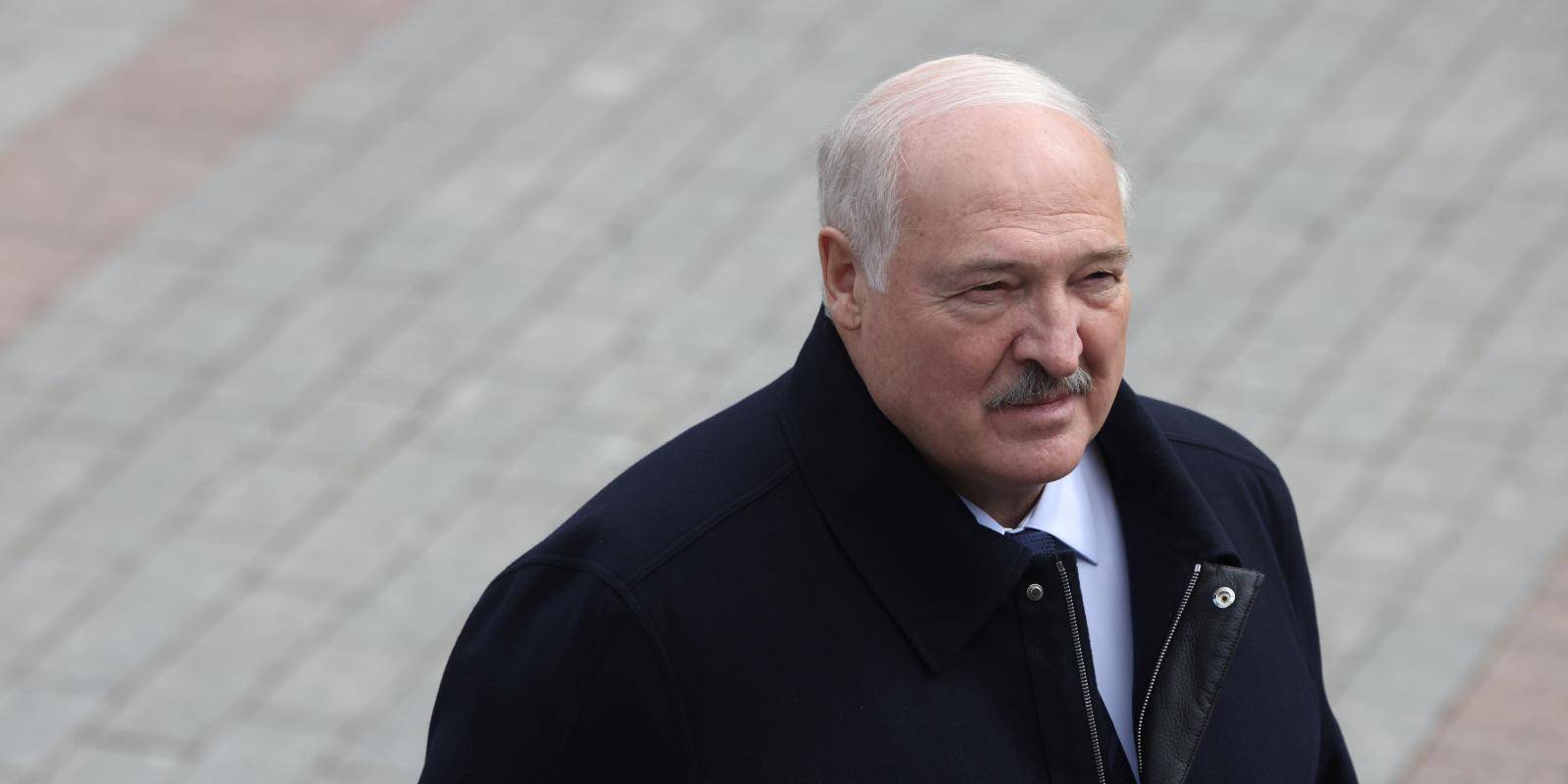

The Russia–Belarus Zapad 2025 military exercise is currently underway. The ‘hot phase’ is scheduled for 12–16 September but the drills have already begun, with some members of the Russian contingent arriving in Belarus a month ago.
Zapad (or ‘West’ in Russian) exercises occur every two years, with Belarus and Russia alternating as primary hosts. Beyond their military value, these drills are also used by Russia to intimidate the West – which they do. Exercises held in Belarus draw particular attention due to their proximity to NATO borders and the opportunity they provide to observe security priorities in both Minsk and Moscow.
A gauge of Russia–Belarus relations
The Zapad exercises can also reveal a lot about the state of relations between Belarus and Russia.
Zapad 2017 highlighted the divergence between Moscow and Minsk. In the aftermath of its annexation of Crimea, Russia’s relations with the West had deteriorated. Belarus, by contrast, had improved its relations with the West by refusing to recognize Crimea as Russian territory. Moscow and Minsk projected different messages – so much so that Putin and Lukashenka did not meet on the training grounds.
By 2021, the dynamic had shifted. Isolated after his domestic crackdown, Lukashenka aligned fully with Russian rhetoric criticizing Ukraine and the West. This in turn paved the way for the Union Resolve exercises – the prelude to Russia’s invasion of Ukraine, launched from Belarusian territory.
In 2025, circumstances are once again different. Although relations between Lukashenka and Putin are harmonious, the two leaders have diverging interests and are therefore likely to want to send very different signals to the West.
Kremlin’s constraints
For the Russian authorities, the war with Ukraine is the primary focus and most important priority. With troops and equipment needed at the front, Moscow is sending only about 2,000 troops to Belarus.
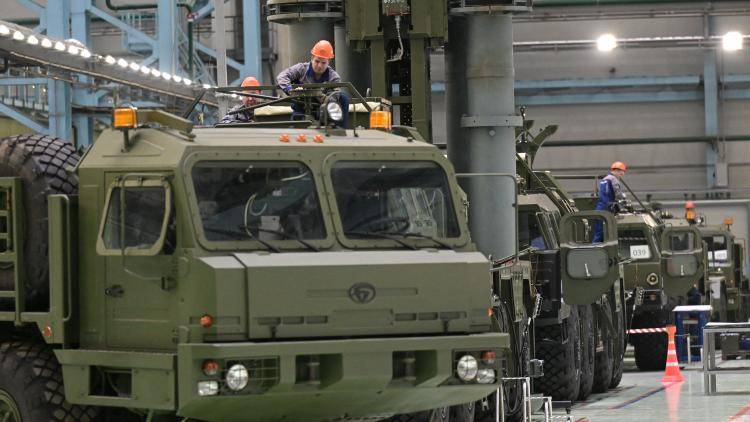
The number of Russian servicemen participating in these exercises always draws interest. This year the Russian presence is well below the usual level, especially when compared to the 30,000 Russian troops involved in the Union Resolve exercise. This year’s Zapad is therefore the most limited ever, while the 2023 exercise scheduled to be held in Russia was cancelled altogether.
Although troop numbers are not the sole measure of strategic significance, they shape perceptions – an area of interest for the Kremlin. Western states treating the drills as a potential threat benefits Moscow by diverting attention away from Ukraine.
Therefore, given shortages in manpower and equipment, if Russia wants to signal readiness for a wider, longer war it may emphasize nuclear capabilities and Oreshnik missiles during the exercises. Otherwise, it is hard to imagine how Russia could project power to the West during the drills if it sends just a few thousand soldiers to Belarus. Ukrainian officials meanwhile have repeatedly stated that they are not concerned about these drills.
Lukashenka’s opportunity
The Belarusian authorities are repeating the narrative about the importance of developing nuclear capabilities while taking – or at least claiming to take – steps to reduce escalation.

Initially, the regime announced that the Belarusian part of the exercise would take place on the border with NATO countries and involve around 13,000 troops. Later, however, it declared that the drills would be moved deeper into Belarus and the number of participants halved.
Although the smaller scale of the exercises removes Belarus’s obligation to invite Western observers, all states party to the OSCE’s Vienna Document, including Ukraine, have been invited. Belarusian officials are also actively encouraging foreign journalists to attend the drills to draw attention to the regime’s role in regional security.
Lukashenka’s stance and signalling towards the West also looks set to be different this year. He is pushing a narrative of de-escalation, promising to influence Putin’s actions and make concessions such as releasing political prisoners. Lukashenka’s regime is also pushing Belarus’s role in regional security such as providing assistance in prisoner swaps between Russia and Ukraine, while working towards its dream scenario of hosting Russia–Ukraine negotiations. Lukashenka does not even try to hide that his sovereignty is limited; he proposes that the West help him expand his independence from Russia.
Part of the reason for this new approach is a genuine fear of escalation, which could have serious consequences for Belarus. After the 2022 invasion of Ukraine, the drills are viewed by many as more than routine exercises. Even without any malicious intent, incidents during the drills could have greater consequences than in the past.
A thorny path ahead
These drills may not be as significant as in previous years, but Belarus’s broader role in regional security is the focus of renewed dialogue between Belarus and the US, which recently culminated in a phone call between President Trump and Lukashenka.
If these exercises proceed in a dull and transparent manner, they will likely pave the way for further dialogue. In his message on Truth Social, Trump called Lukashenka ‘the highly respected President of Belarus’ and said they were discussing the release of 1,300 Belarusian political prisoners. In response, Lukashenka’s press service stated that they are expecting Trump in Belarus. The issue of lifting US sanctions is, of course, also on the agenda of the negotiations.
