

Since this summer, the war in Ukraine has taken on a new dimension. Russia has intensified attacks on Ukrainian energy infrastructure, launching nine massed attacks since early October. The latest on Friday and Saturday, using a combination of drones and ballistic missiles, led to long power cuts around the country, affecting the supply of heat and water in several cities.
Advancing at a snail’s pace on the battlefield, Russia is again dramatically increasing its efforts to win the war ahead of the winter by destroying Ukraine’s energy infrastructure and increasing the hardship for the population. Its hope is that this psychological pressure will lead to a collapse in popular support for continuing the war.
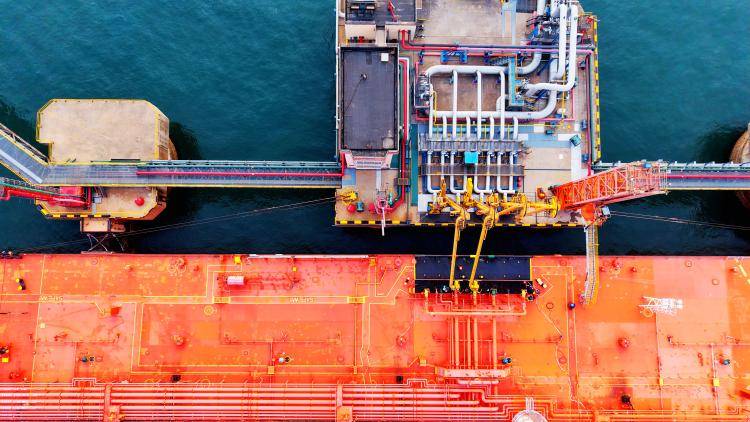
But this year Russian strikes have met a more powerful Ukrainian response. Ukraine has ramped up its attacks on Russia’s energy infrastructure, using a combination of drones and domestically produced missiles – assisted by Western targeting support.
Ukrainian attacks have struck oil refineries as far afield as Ryazan, Saratov and Volgograd in the west of the country and even Tyumen in Siberia, as well as fuel depots, pumping stations and other logistical hubs.
According to one Russian source, by late October, Ukrainian drone strikes had hit more than 50 per cent of Russia’s 38 major refineries more than once.
In September, Ukraine hit oil export infrastructure on the Baltic Sea. It has also attacked the branch of the Druzhba pipeline that transports oil to Hungary and Slovakia, and a small number of Russian thermal power plants – causing local blackouts in several front-line towns.
An unequal fight?
Russia still has greater firepower in the energy war. It has upgraded its main Shahed-type attack drone, doubling the size of its warhead and increasing its range and speed. Production is now at a level over five times higher than a year ago and set to more than double. In June 2024, around 330 drones of this type were launched against targets in Ukraine. A year later, the figure was over 5400.
Russia is also significantly expanding its production of ballistic and cruise missiles used against Ukraine. A Ukrainian military intelligence estimate suggests that Russia may have increased its output of ballistic missiles by 66 per cent in the past year. This poses a very serious challenge for Ukraine’s air defences. The availability of missile interceptor systems is limited. And reliance on munitions supplied by Western allies gives Russia a cost advantage: a Russian-produced ballistic missile is far cheaper than a Western interceptor missile.
In line with these increased capabilities, Russian attacks on Ukraine’s energy infrastructure have intensified.
From late 2022 until spring 2024, Russia targeted Ukraine’s electricity system with a focus on transmission and distribution assets rather than power plants.
The approach then changed to attacks on power plants themselves. Missile and drone strikes later in 2024 damaged or destroyed up to 9 gigawatts of coal-fired and hydropower plants, around 15 per cent of Ukraine’s pre-war generation capacity. While repair works patched up some of the damage, the population became used to rolling blackouts across much of the country, alleviated in many cases by mass purchases of diesel generators and another relatively warm winter.
Ahead of the coming winter, Russia has turned its firepower on Ukraine’s gas production facilities, destroying around 60 per cent of its capacity in a single set of strikes in early October. Other attacks targeted thermal power plants across the country, leading to power interruptions in several regions.
However, even following the most recent attacks, Russia has not so far been able to achieve a country-wide collapse of the grid. That is because of Ukraine’s investment in the hardening of generating assets, its ability to repair damage and the use of imports and rolling outages.
Domestic pressure in Russia
On the other side of the war, Ukraine’s ability to strike targets deeper inside Russia on an increasingly consistent basis is significant because it is raising the cost of the war for Moscow. Estimates of how much refining capacity has been disabled vary considerably, but is likely to be no more than 10-15 per cent. The impact is far from negligible.
By October, Russian petrol prices had risen over 10 per cent, partly because of the Ukrainian strikes. Notably, demand for fuel had already risen, with Russians making more car journeys, partly due to the disruption to air travel caused by Ukrainian attacks on other targets.
In Crimea and a small number of other regions, there have been reports of petrol shortages. The government is under pressure to keep prices stable, to limit public dissatisfaction and broader questioning of the purpose of the war. This involves Moscow paying subsidies to oil companies to compensate them for diverting production intended for export to the domestic market.
A possible energy ceasefire
However, this Ukrainian deep-strike capability is not a silver bullet that will change the course of the war. Russian authorities have substantial resources to manage the problem. Russia has been able to swiftly repair damaged assets. Refining capacity exceeds domestic needs, helping to cushion the impact of attacks. And Russian oil companies are also likely to put greater effort into defending key assets: there are already reports that anti-drone cages and nets have been installed at several refineries.
