
President Trump’s achievement in delivering the initial phase of his twenty-point plan marks an important first step in moving the Gaza war toward an end. His ability to focus political energy on this crisis has been decisive, especially in securing the agreement on a hostage and prisoner release and in getting both parties to take the first steps toward a ceasefire.
Yet this is only the beginning. Critical issues remain unresolved, like governance in Gaza, the question of Hamas’s disarmament, and ultimately the pathway to Palestinian statehood. They will determine whether the settlement can be sustained in the long term.
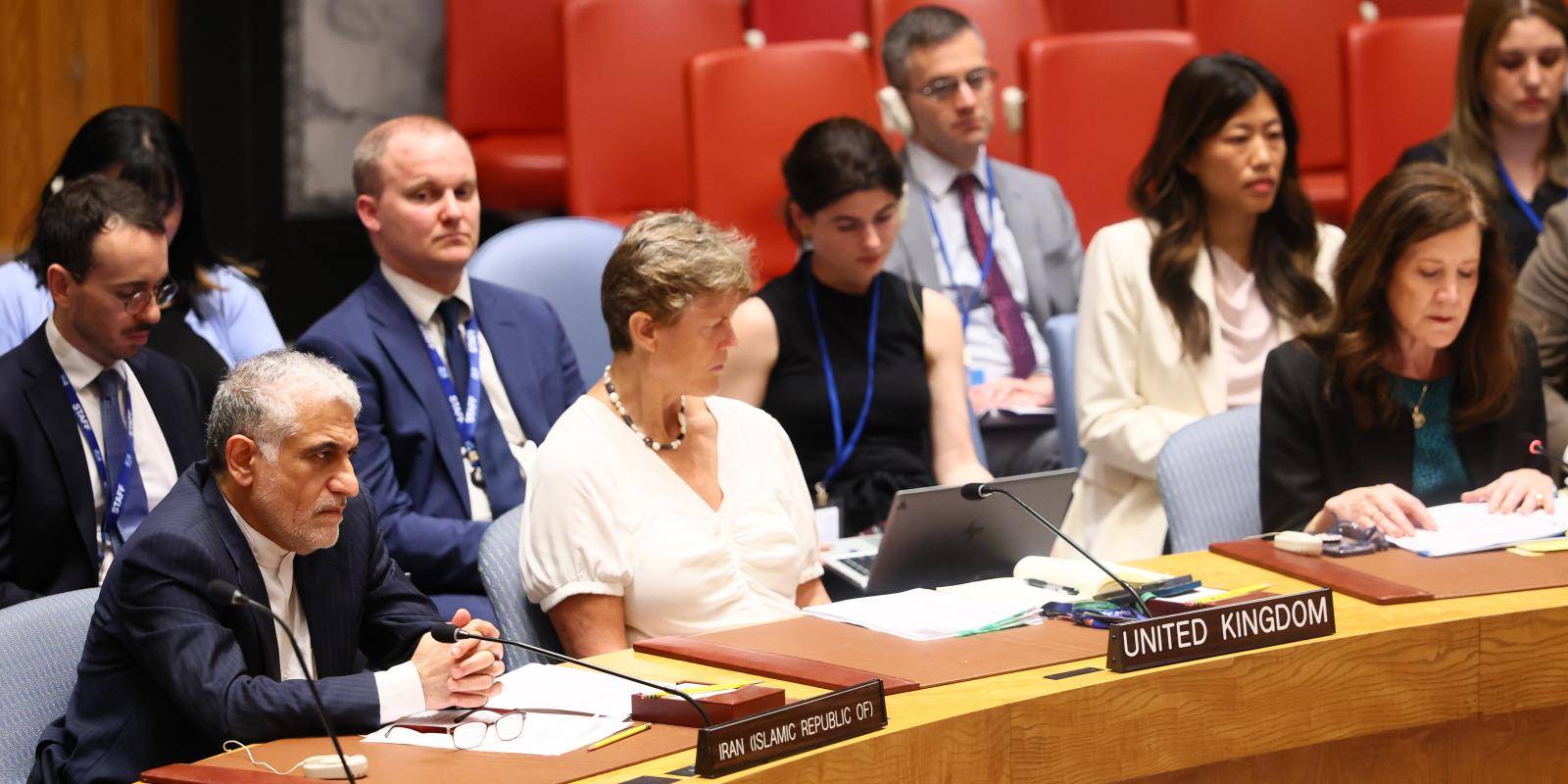
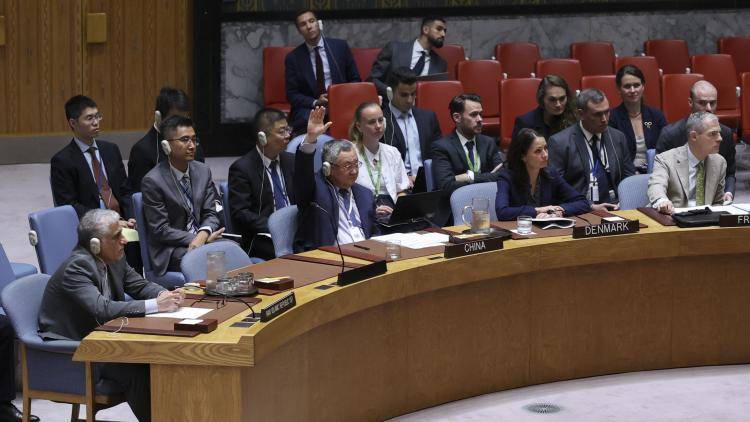
To achieve a more durable success, however, the Trump administration must broaden its diplomatic reach. It cannot confine its efforts only to the Israeli–Palestinian track. The standoff with Iran, which has been allowed to stagnate since June’s twelve-day war, now looms over any effort to achieve a wider regional peace. The decision by France, Germany and the United Kingdom (known as the ‘E3’) to reimpose United Nations snapback sanctions at the end of September has deepened Iran’s isolation. If Washington continues to ignore this issue, the chances of consolidating a lasting peace will be diminished.
President Trump has acknowledged this reality, stating last week that ‘They [the Iranian state] were going to have a nuclear weapon within a month. And now they can start the operation all over again, but I hope they don’t because we will have to take care of that too if they do.’ Trump extended an invitation to Tehran to attend the Sharm al Sheikh summit on Gaza – which Tehran declined. The message is clear: Iran’s uncertain nuclear ambitions and its standoff with the US remain a shadow looming over broader regional stability.
Iran’s position
Iran currently finds itself strategically cornered with very limited room to manoeuvre. The US and Israel inflicted serious damage on its nuclear programme during June’s twelve day war. And Europe’s reimposed sanctions have brought asset freezes, an arms embargo and bans on energy trade.
Iran’s economy was already under extreme strain from US maximum pressure sanctions reintroduced in 2019 after Trump withdrew from the JCPOA or Iran nuclear agreement. The currency continues to fluctuate, inflation is soaring, oil exports are restricted, and foreign investment is non-existent.
These economic pressures have contributed to widespread discontent at home. Major protests have not re-emerged since the mass ‘women life freedom’ demonstrations of 2022, which were forcefully suppressed. But the regime has few viable options to arrest the deteriorating situation in the short term. At the same time, Iran’s regional network has splintered, and its position is weaker than at any point in the last decade. The so-called ‘Axis of Resistance’ it cultivated for decades has been fractured under relentless Israeli military assault.
Hamas has been mauled in the Gaza war and compelled into a ceasefire arrangement under Trump’s pressure. Hezbollah in Lebanon has suffered heavy leadership losses and faces mounting domestic and international pressure to demilitarize.
Iraqi militias – which once operated as proxies for Tehran – are now under domestic scrutiny, with Iraq’s leaders eager to avoid being dragged into regional conflict ahead of November’s elections. And the Assad regime in Syria has been replaced by Ahmed Al Sharaa’s fragile new government.
Only the Houthis in Yemen continue to launch limited drone strikes against Israel. But their capacity is constrained and Israeli strikes against them are expected to resume.
US inactivity and European muddle
These regional shifts should provide the US with an opening. Yet so far, the Trump administration has confined its approach to June’s military action and the default option of continued maximum pressure sanctions. It has not yet articulated a clear diplomatic pathway to address Iran’s place in the regional order.
That is a problem. History shows that – without a clear diplomatic initiative – Iran will more often than not revert to its tried and tested role as a spoiler.
Iran may look to rebuild its nuclear programme, to cultivate new proxy groups and refortify its longstanding relationships. Tehran is already looking to re-establish deterrence and rebuild its air defences to prepare for possible further confrontation with Israel.
Europe’s approach has further muddled the diplomatic landscape. The E3’s decision to reimpose sanctions was meant to pressure Iran into engaging with the Trump administration.
But the approach backfired, deepening mistrust between Tehran and European capitals and leaving the E3 with no clear strategy. With snapback now in place, they lack both leverage and a coherent plan to reengage Iran or mediate between Washington and Tehran. Internal divisions further weaken their position. Without US leadership, Europe’s sanctions policy risks drifting into irrelevance.