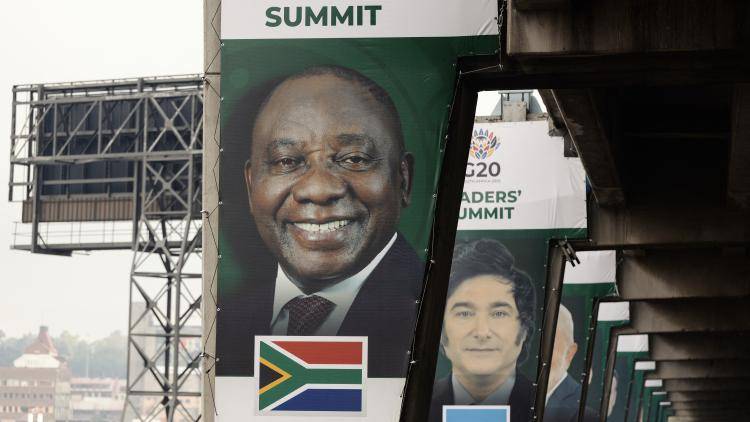
The US boycott of the G20 summit in Johannesburg underlined how vital US engagement remains to the multilateral organization. The US absence meant that the summit and its joint declaration on ‘multilateral co-operation’ landed with minimal effect, despite enthusiasm from the host and some participating nations.
The passing of the presidency to the US raises the question of whether Washington will seek to use its host status to reinvigorate a forum that it has been accused of obstructing and undermining over the last year.
The US host year, culminating with a leaders’ summit at President Trump’s Doral golf club, will be far from a typical G20 presidency. It will be defined by the host nation being both a global anchor and a significant source of volatility.
As when the US last hosted the G20 in 2009, the world is grappling with economic dislocations, this time stemming more from policy than markets. An administration with bilateral instincts and a habit of rapid policy shifts is tasked with steering a consensus-based forum through fiscal fragility, trade fragmentation and industrial and technology competition – in part of its own making.
Washington is unlikely to seek grand multilateral consensus. But by pursuing a narrower agenda than recent presidencies, the US could succeed in creating space for more focused progress on the pressing economic issues at the top of its agenda. President Trump has the opportunity to convene countries representing some 85 per cent of global GDP: even if the US de-emphasizes formal processes and ambitious multilateral agreements, the G20 remains a premier inclusive economic forum in which Washington can drive the agenda.
For other G20 members, the forum retains value, including as a venue to coordinate policy shifts and governance. The real question is how Washington will use the G20. Will it seek to shape policy, strike agreements and manage risks, or will it allow personalities and political differences to prevent progress?
Attention on Washington (and Miami)
Expectations that Washington will fully embrace the G20 as a multilateral forum are low. The administration has preferred transactional deals over multilateralism and been highly critical of the G20’s recent priorities, especially South Africa’s themes of solidarity, equality and sustainability.
Still, deflated hopes may yield space for incremental progress. After all, hosting puts attention on the US. The White House will be under pressure to demonstrate leadership if it wants to present wins, especially at a time when US economic foundations face growing pressure. Markets will also be monitoring the G20 process to understand Washington’s economic approach and risk tolerance.
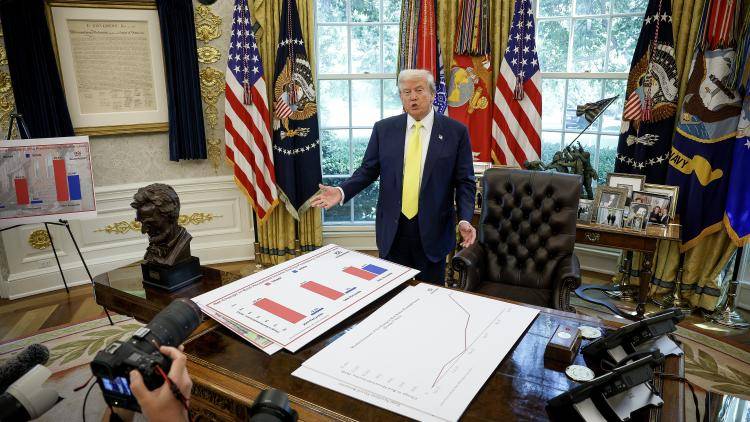
In a forum that highlights global imbalances and debt, the US is entering its host year with its own vulnerabilities. Rising national debt, shifting monetary conditions and mounting pressure on independent institutions show that these concerns are not confined to developing nations.
One area of enduring interest to markets is the Federal Reserve. Leadership turnover and political pressure could unsettle monetary policy just as central bankers and finance ministers convene in the US, raising the risk of volatility with global spillover.
A dealmaking club?
Against this backdrop, US Treasury Secretary Scott Bessent has begun outlining his host year priorities, from deregulation and growth to energy security and critical minerals. Pivoting away from the themes of equity and development may be unpopular among some stakeholders from the Global South. But it could also create narrower openings that are consistent with US preferences.
The US presidency can still drive shared progress if it embraces the G20 as a dealmaking platform, announcing concrete commitments from mineral-processing arrangements to energy security investments. While this approach may strike some as undercutting the G20’s role and integrity, it offers a path to ensuring the forum remains relevant and has meaningful impact.
Following through on targeted agreements will make all the difference between a consequential host year and a showy summit. Such ‘polyamorous’ dealmaking between individual countries or small groups of countries can create replicable templates for trade and economic-security agreements that are better suited to the current transactional era.
While Bessent included debt among his priorities, he has little appetite for sweeping commitments to address outsized emerging market burdens and has warned the IMF against allowing ‘recalcitrant creditors off the hook too easily’ in debt restructuring negotiations – likely alluding to China, the largest bilateral creditor. But this position does not need to prevent creative progress, including relief linked to specific reforms or sectors.
Likewise, Bessent’s emphasis on international financial institutions returning to their core responsibilities, along with a push for greater debt transparency, could bring Washington’s self-interest into line with debtor nation needs. More direct assistance may be selective, however. For instance, Washington seems unlikely to replicate its recent move to support the Argentine peso for other countries with which it has less ideological affinity.