
Since the US attack on Venezuela and capture of Nicolás Maduro, various US government officials, influencers close to the MAGA movement and President Donald Trump himself have reiterated threats against Greenland.
Their claims, that the US needs to control Greenland for its own national security, have caused even greater alarm in Denmark than when they were first made earlier in 2025 – Greenland is an autonomous territory of Denmark.
President Trump claims that the US ‘needs’ Greenland because of its strategic location in the Arctic. It is true to say that both Russia and China have increased their military activities in the Arctic in recent years. And, if Russia launched missiles at the US, they would likely fly over Greenland. That could make the territory a useful staging ground for a greater US presence and a strategic location to place US missile interceptors, as part of the ‘Golden Dome’ missile defence system – a priority for the Trump administration.
Existing US/Denmark agreements on Greenland
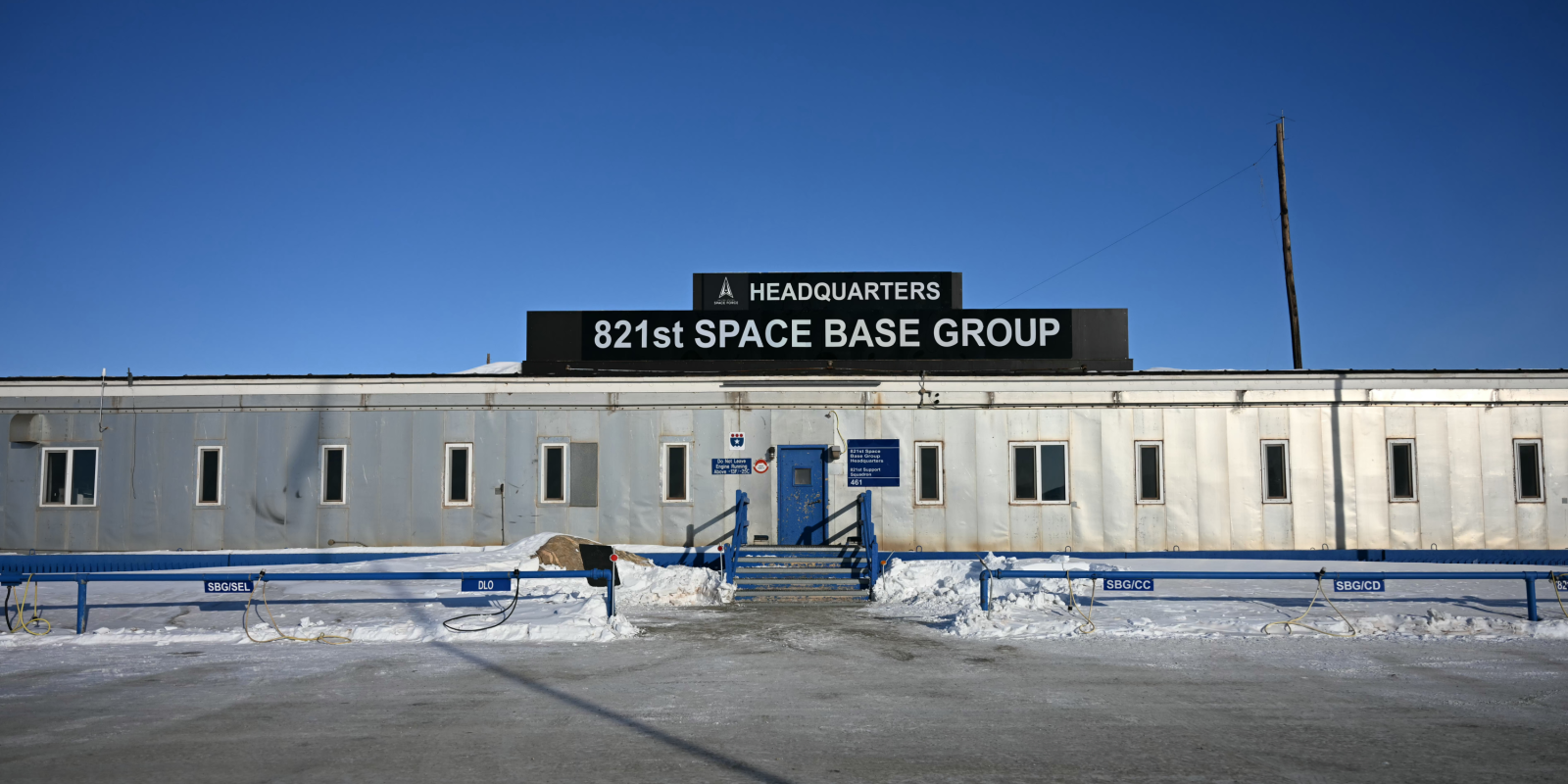
However, what is not clear is why Washington needs full control over Greenland to defend itself. The US already has a presence there at Pituffik Space Base, a US Space Force installation that has been in operation since 1943.
A 1951 US–Denmark defence agreement allows the US to continue to use the base, which hosts the 12th Space Warning Squadron, a team operating US ballistic missile early warning systems, as well as a team looking after part of the US’s global satellite network. The base has an active airfield and the northernmost deep-water port, making it a useful infrastructure hub.
During the Cold War, the US stationed up to 6,000 troops across a range of camps across the island. It could presumably surge troop presence again if it felt it needed a greater presence in the region – without disputing Danish sovereignty.
The Danish reaction and NATO
Denmark has made clear that US threats are unacceptable. Danish Prime Minister Mette Frederiksen issued a statement on Monday reminding the Trump administration that the US and Denmark are NATO allies and that the US already had access to Greenland through an existing defence agreement.
She also said that an attack on Greenland would end NATO. This is not an exaggeration. It is hard to see how the alliance would recover from a treaty breach as shocking as one ally attacking another to seize territory.
Changes to US policy under President Trump already risk undermining the credibility of the US commitment to NATO’s Article 5 guarantee. The US (NATO’s most powerful country by far) threatening to attack a NATO member state further damages Article 5’s credibility.
A US posture of allowing US interests to override international law is a normative challenge for NATO, too. NATO has described itself as an alliance based on its members’ common values around democracy and the rule of law, among others. Indeed, this is the basis of much of NATO’s criticism of Russian actions against Ukraine and other states. A US deviation from these values undermines NATO politically as well as militarily.
What can European states do in the face of this challenge?
European leaders need to think carefully about their caution in criticizing the Trump administration over its actions in Venezuela. France has used relatively strong language to condemn the US attacks as unlawful. Others like the UK have been much more careful.
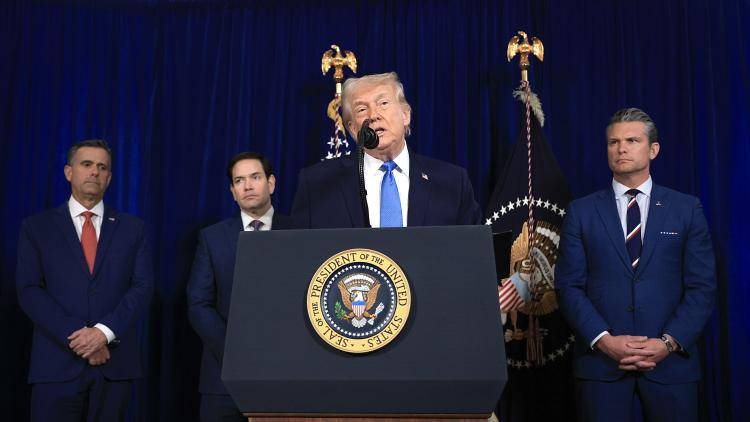
It seems unambiguous to say that the attack was illegal – even if one has questions about the circumstances under which President Maduro came to power. But given the complaints about Western hypocrisy made during the Israel–Gaza war, countries would do well to speak out more clearly: any hedging is unlikely to serve them in the long run.
Traditional alliance systems are reshaping daily, and European states might find they need support from other South American or other Global South states in the future.
European leaders will remain concerned about Europe’s ability to defend itself with a more unpredictable and even hostile US. The threat from Russia remains real.
However, no state should be under any illusion that it will be possible to return to a reliance on US security guarantees.
A phased US drawdown in Europe remains preferable to a rushed retreat. But European countries ought not to be overconfident in their ability to influence US decision making on these issues. They therefore ought to condemn US action in Venezuela clearly, and issue statements of support for Denmark and Greenland (UK Prime Minister Keir Starmer has already said that Greenland’s future should be settled by Denmark and Greenland).